



Gifting Made Simple
Give the Gift of ChoiceClick below to purchase a Bramalea City Centre eGift Card that can be used at participating retailers at Bramalea City Centre.Purchase HereHome
Studies the Theory of Random Processes
Coles
Loading Inventory...
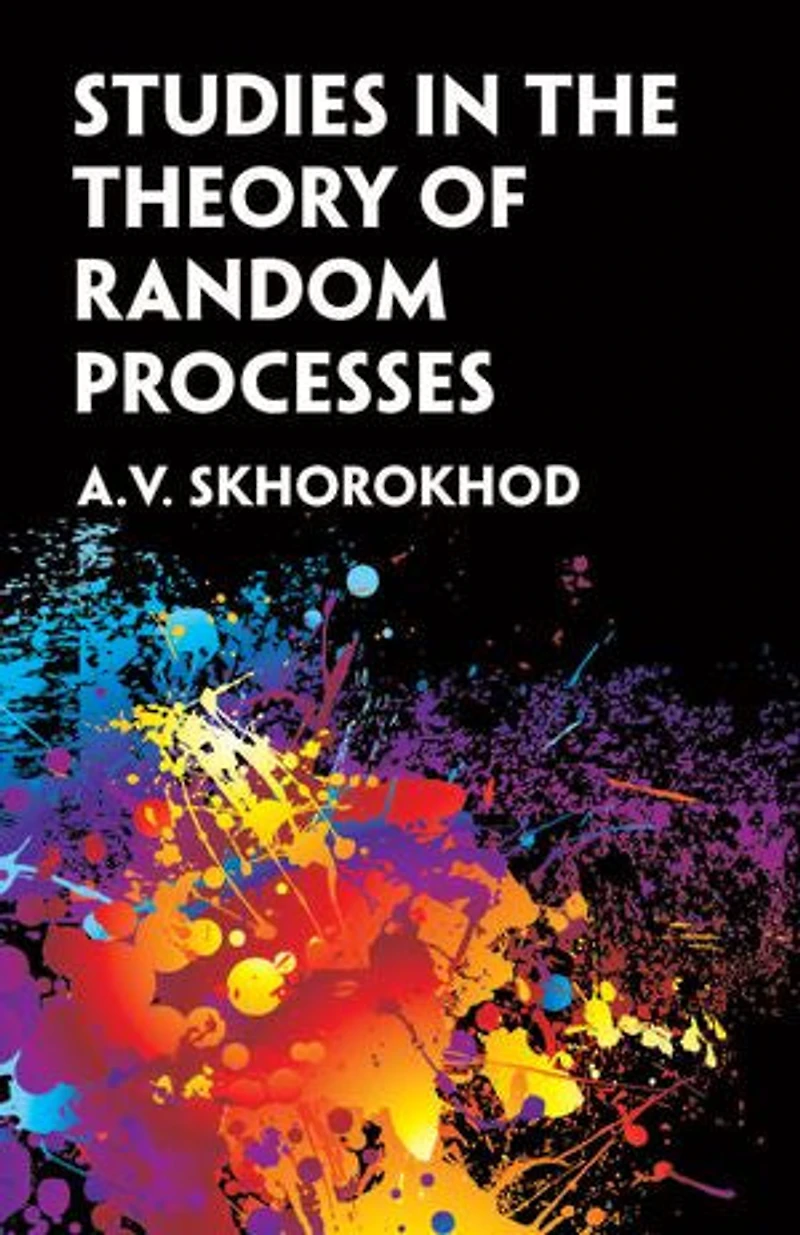
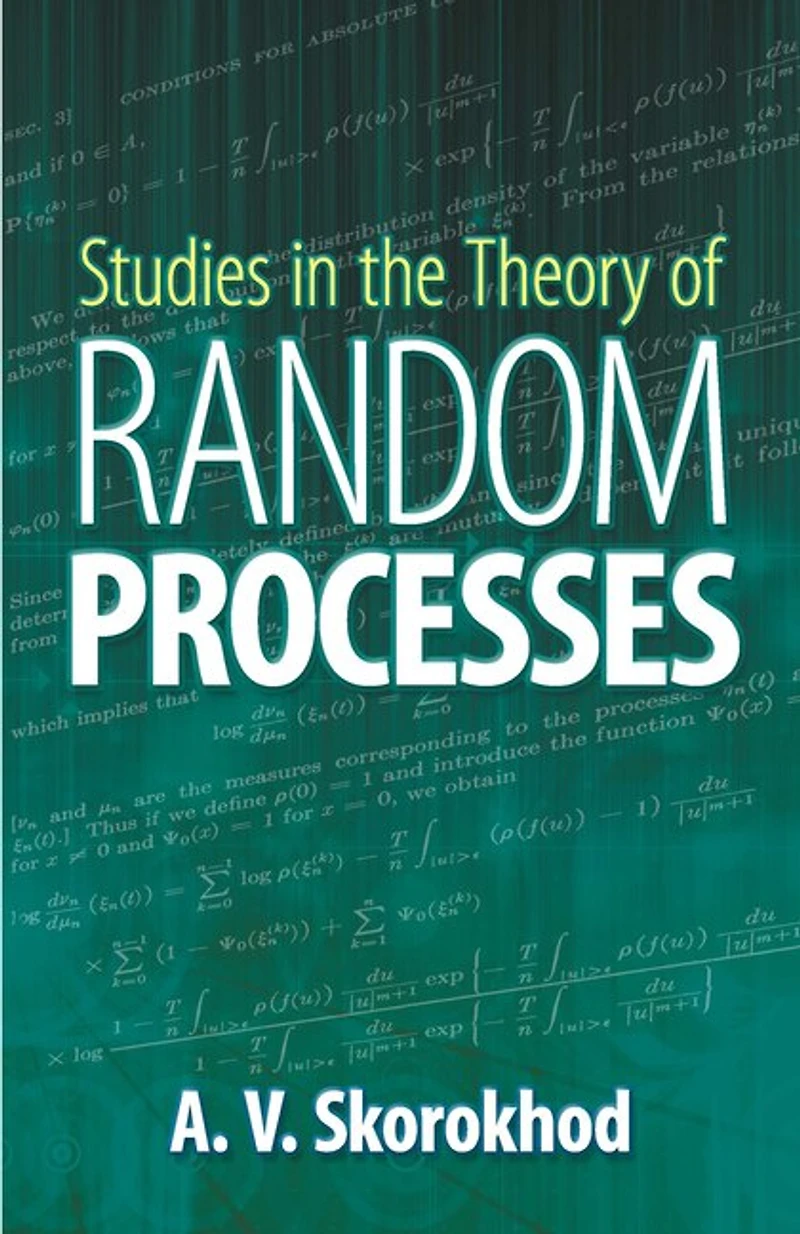
Studies the Theory of Random Processes in Brampton, ON
Current price: $14.09
Original price: $17.58
Coles
Studies the Theory of Random Processes in Brampton, ON
Current price: $14.09
Original price: $17.58
Loading Inventory...
Size: Kobo eBook
*Product information and pricing may vary - to confirm current pricing, availability, shipping, and return information please contact Coles. In the event of a pricing discrepancy, the retailer's price will apply.
This text is devoted to the development of certain probabilistic methods in the specific field of stochastic differential equations and limit theorems for Markov processes. Specialists, researchers, and students in the field of probability will find it a source of important theorems as well as a remarkable amount of advanced material in compact form.
The treatment begins by introducing the basic facts of the theory of random processes and constructing the auxiliary apparatus of stochastic integrals. All proofs are presented in full. Succeeding chapters explore the theory of stochastic differential equations, permitting the construction of a broad class of Markov processes on the basis of simple processes. The final chapters are devoted to various limit theorems connected with the convergence of a sequence of Markov chains to a Markov process with continuous time. Topics include the probability method of estimating how fast the sequence converges in the limit theorems and the precision of the limit theorems.
This text is devoted to the development of certain probabilistic methods in the specific field of stochastic differential equations and limit theorems for Markov processes. Specialists, researchers, and students in the field of probability will find it a source of important theorems as well as a remarkable amount of advanced material in compact form.
The treatment begins by introducing the basic facts of the theory of random processes and constructing the auxiliary apparatus of stochastic integrals. All proofs are presented in full. Succeeding chapters explore the theory of stochastic differential equations, permitting the construction of a broad class of Markov processes on the basis of simple processes. The final chapters are devoted to various limit theorems connected with the convergence of a sequence of Markov chains to a Markov process with continuous time. Topics include the probability method of estimating how fast the sequence converges in the limit theorems and the precision of the limit theorems.
You May Also Like









Find at Bramalea City Centre in Brampton, ON
Visit at Bramalea City Centre in Brampton, ON