



Gifting Made Simple
Give the Gift of ChoiceClick below to purchase a Bramalea City Centre eGift Card that can be used at participating retailers at Bramalea City Centre.Purchase HereHome
Structure and Function of Plasma Proteins: Volume 1
Coles
Loading Inventory...
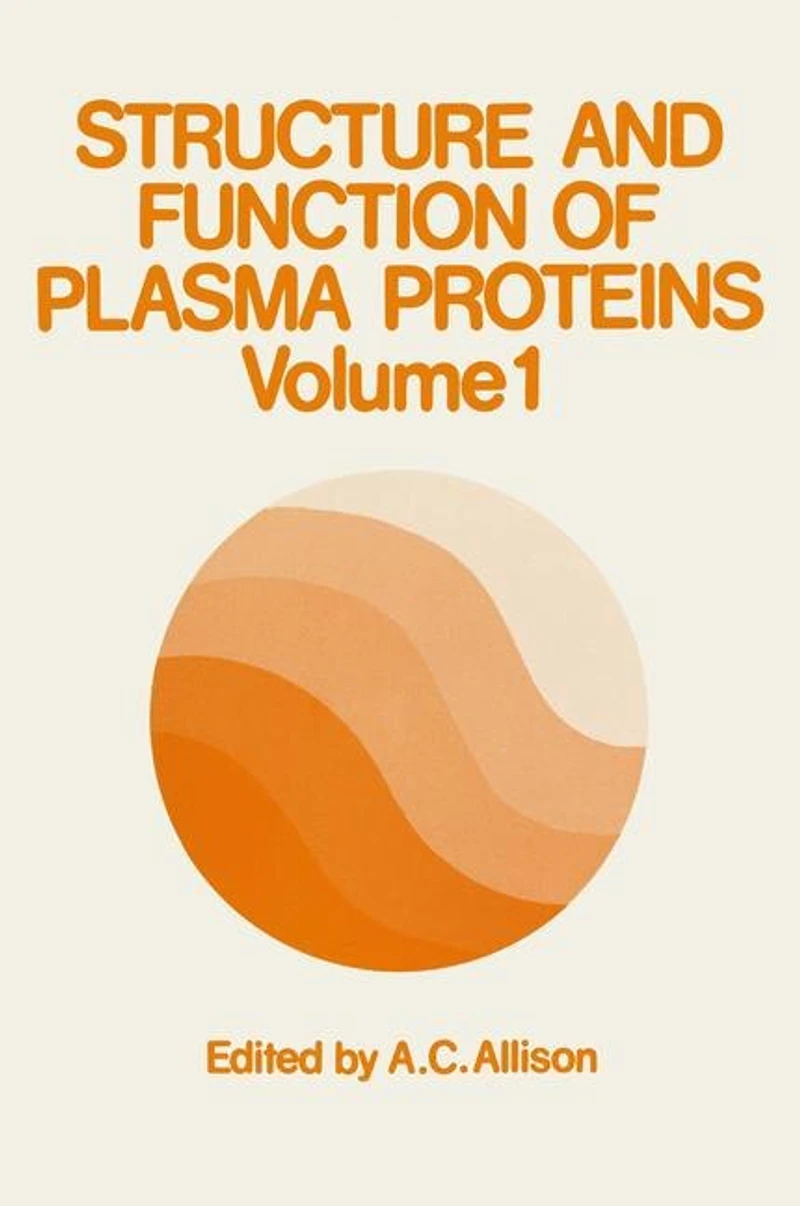
Structure and Function of Plasma Proteins: Volume 1 in Brampton, ON
Current price: $80.50
Coles
Structure and Function of Plasma Proteins: Volume 1 in Brampton, ON
Current price: $80.50
Loading Inventory...
Size: Paperback
*Product information and pricing may vary - to confirm current pricing, availability, shipping, and return information please contact Coles. In the event of a pricing discrepancy, the retailer's price will apply.
Plasma proteins are of interest from many points of view. Biochemists have separated and purified numerous plasma proteins and studied their physical properties, aminoacid composition and sequence, the carbohydrate components of some, and binding of metals, hormones and other materials. Much work has also been carried out on the synthesis, rates of turnover and degradation of plasma proteins. Many plasma proteins show inherited variations, some of which (e.g. those of heptoglobins and transferrins) are common in various human populations while others (e.g. absence of lipoproteins or im munoglobins) are rare but important because of their association with clinical syndromes. Since blood is the most accessible bodily con stituent, geneticists have made good use of serum protein differences as genetic markers in family and population studies. Physiologists have long been interested in plasma proteins in relation to colloid osmotic pressure, transport of lipids, iron, hormones and other materials, the activities of renal glomeruli and tubules, the function of the liver, and many other bodily activities. Plasma proteins are also widely studied in relation to malnutrition and undernutrition, particularly that associated with defective intake of protein.
Plasma proteins are of interest from many points of view. Biochemists have separated and purified numerous plasma proteins and studied their physical properties, aminoacid composition and sequence, the carbohydrate components of some, and binding of metals, hormones and other materials. Much work has also been carried out on the synthesis, rates of turnover and degradation of plasma proteins. Many plasma proteins show inherited variations, some of which (e.g. those of heptoglobins and transferrins) are common in various human populations while others (e.g. absence of lipoproteins or im munoglobins) are rare but important because of their association with clinical syndromes. Since blood is the most accessible bodily con stituent, geneticists have made good use of serum protein differences as genetic markers in family and population studies. Physiologists have long been interested in plasma proteins in relation to colloid osmotic pressure, transport of lipids, iron, hormones and other materials, the activities of renal glomeruli and tubules, the function of the liver, and many other bodily activities. Plasma proteins are also widely studied in relation to malnutrition and undernutrition, particularly that associated with defective intake of protein.
You May Also Like
















Find at Bramalea City Centre in Brampton, ON
Visit at Bramalea City Centre in Brampton, ON