



Gifting Made Simple
Give the Gift of ChoiceClick below to purchase a Bramalea City Centre eGift Card that can be used at participating retailers at Bramalea City Centre.Purchase HereHome
Stalin's Ghosts: Gothic Themes in Early Soviet Literature
Coles
Loading Inventory...
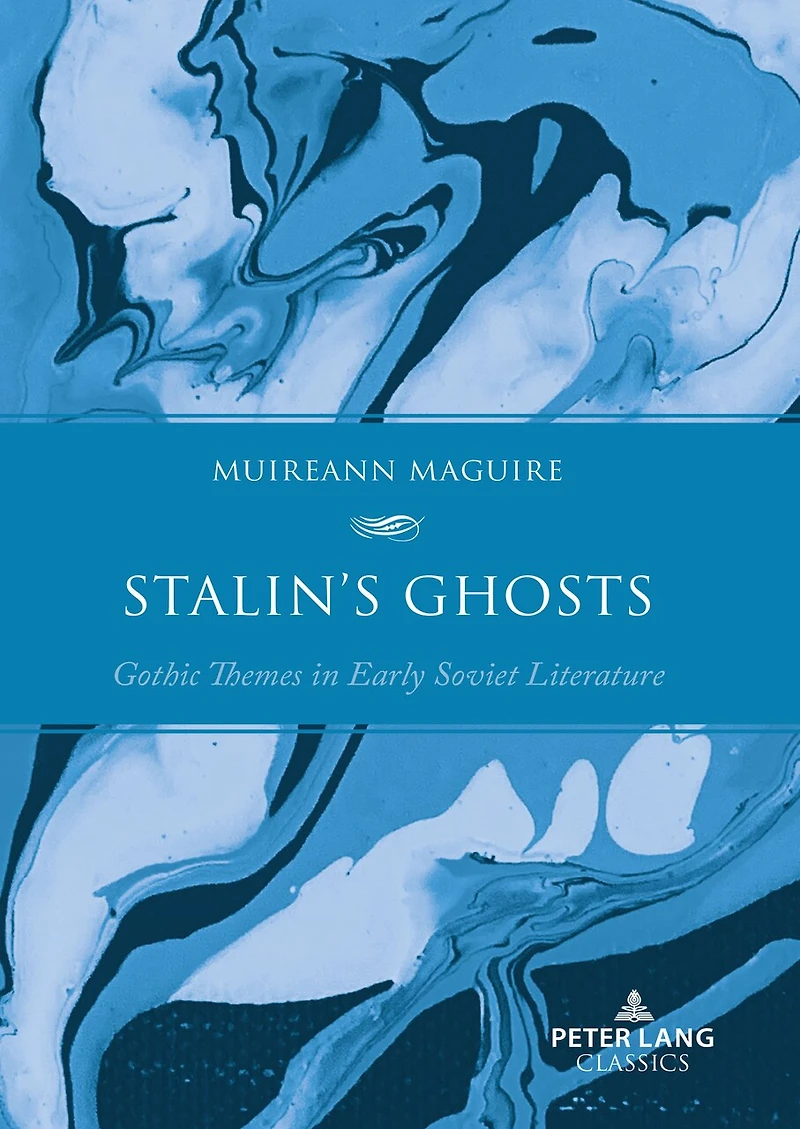
Stalin's Ghosts: Gothic Themes in Early Soviet Literature in Brampton, ON
Current price: $107.85
Coles
Stalin's Ghosts: Gothic Themes in Early Soviet Literature in Brampton, ON
Current price: $107.85
Loading Inventory...
Size: Paperback
*Product information and pricing may vary - to confirm current pricing, availability, shipping, and return information please contact Coles. In the event of a pricing discrepancy, the retailer's price will apply.
Stalin’s Ghosts examines the impact of the Gothic-fantastic on Russian literature in the period 1920-1940. It shows how early Soviet-era authors, from well-known names including Fedor Gladkov, Mikhail Bulgakov, Andrei Platonov and Evgenii Zamiatin, to niche figures such as Sigizmund Krzhizhanovskii and Aleksandr Beliaev, exploited traditional archetypes of this genre: the haunted castle, the deformed body, vampires, villains, madness and unnatural death. Complementing recent studies of Soviet culture by Eric Naiman and Lilya Kaganovsky, this book argues that Gothic-fantastic tropes functioned variously as a response to the traumas produced by revolution and civil war, as a vehicle for propaganda, and as a subtle mode of unwriting the cultural monolith of Socialist Realism.
Stalin’s Ghosts examines the impact of the Gothic-fantastic on Russian literature in the period 1920-1940. It shows how early Soviet-era authors, from well-known names including Fedor Gladkov, Mikhail Bulgakov, Andrei Platonov and Evgenii Zamiatin, to niche figures such as Sigizmund Krzhizhanovskii and Aleksandr Beliaev, exploited traditional archetypes of this genre: the haunted castle, the deformed body, vampires, villains, madness and unnatural death. Complementing recent studies of Soviet culture by Eric Naiman and Lilya Kaganovsky, this book argues that Gothic-fantastic tropes functioned variously as a response to the traumas produced by revolution and civil war, as a vehicle for propaganda, and as a subtle mode of unwriting the cultural monolith of Socialist Realism.
You May Also Like










Find at Bramalea City Centre in Brampton, ON
Visit at Bramalea City Centre in Brampton, ON