



Gifting Made Simple
Give the Gift of ChoiceClick below to purchase a Bramalea City Centre eGift Card that can be used at participating retailers at Bramalea City Centre.Purchase HereHome
Soft Computing Techniques Engineering Applications
Coles
Loading Inventory...
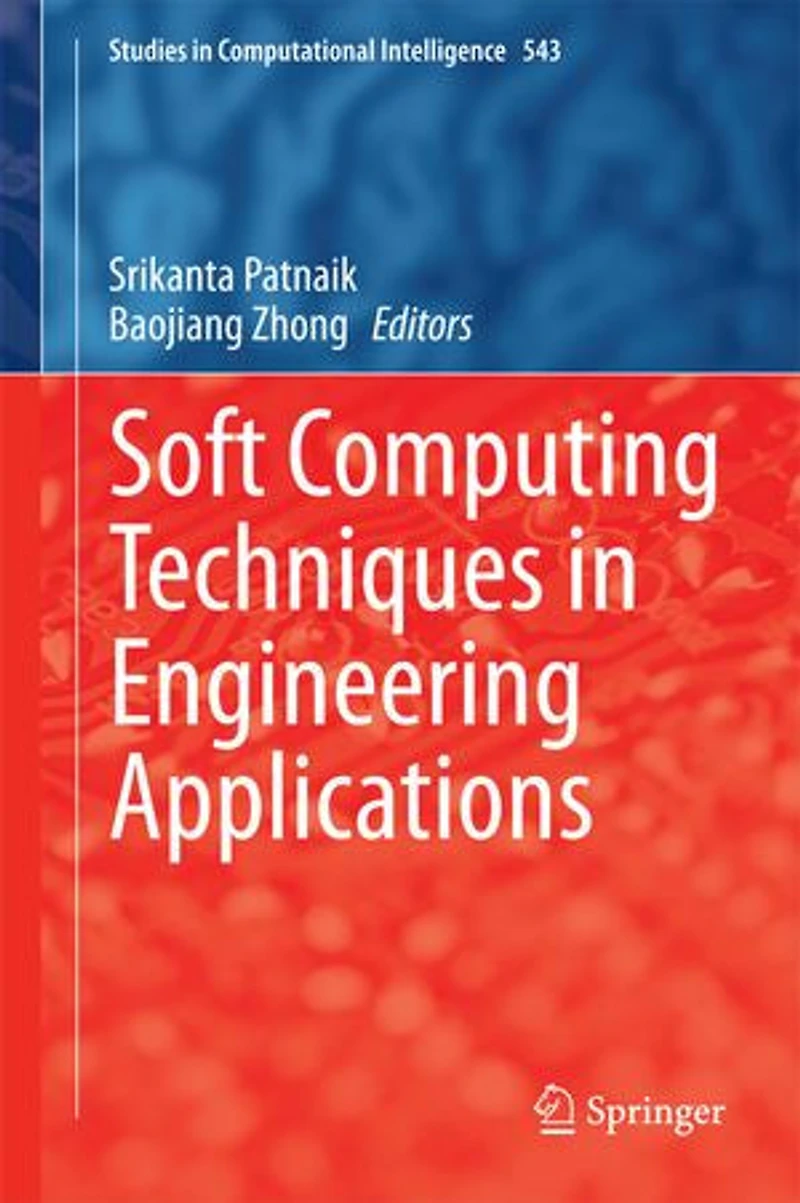
Soft Computing Techniques Engineering Applications in Brampton, ON
Current price: $116.09
Original price: $145.12
Coles
Soft Computing Techniques Engineering Applications in Brampton, ON
Current price: $116.09
Original price: $145.12
Loading Inventory...
Size: Kobo eBook
*Product information and pricing may vary - to confirm current pricing, availability, shipping, and return information please contact Coles. In the event of a pricing discrepancy, the retailer's price will apply.
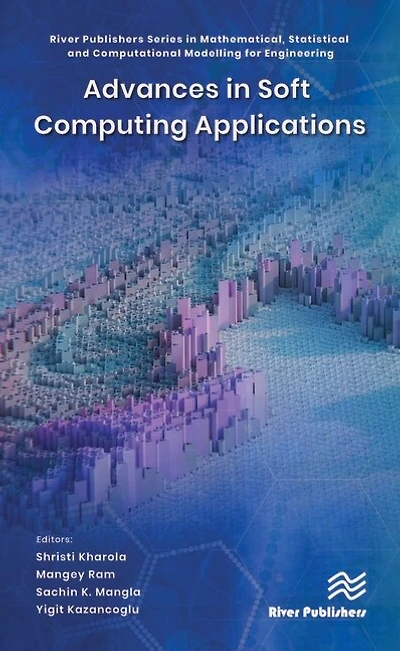
The Soft Computing techniques, which are based on the information processing of biological systems are now massively used in the area of pattern recognition, making prediction & planning, as well as acting on the environment. Ideally speaking, soft computing is not a subject of homogeneous concepts and techniques; rather, it is an amalgamation of distinct methods that confirms to its guiding principle. At present, the main aim of soft computing is to exploit the tolerance for imprecision and uncertainty to achieve tractability, robustness and low solutions cost. The principal constituents of soft computing techniques are probabilistic reasoning, fuzzy logic, neuro-computing, genetic algorithms, belief networks, chaotic systems, as well as learning theory. This book covers contributions from various authors to demonstrate the use of soft computing techniques in various applications of engineering.
The Soft Computing techniques, which are based on the information processing of biological systems are now massively used in the area of pattern recognition, making prediction & planning, as well as acting on the environment. Ideally speaking, soft computing is not a subject of homogeneous concepts and techniques; rather, it is an amalgamation of distinct methods that confirms to its guiding principle. At present, the main aim of soft computing is to exploit the tolerance for imprecision and uncertainty to achieve tractability, robustness and low solutions cost. The principal constituents of soft computing techniques are probabilistic reasoning, fuzzy logic, neuro-computing, genetic algorithms, belief networks, chaotic systems, as well as learning theory. This book covers contributions from various authors to demonstrate the use of soft computing techniques in various applications of engineering.
You May Also Like









Find at Bramalea City Centre in Brampton, ON
Visit at Bramalea City Centre in Brampton, ON