



Gifting Made Simple
Give the Gift of ChoiceClick below to purchase a Bramalea City Centre eGift Card that can be used at participating retailers at Bramalea City Centre.Purchase HereHome
Shakespearean Tragedy and Its Double: The Rhythms of Audience Response
Coles
Loading Inventory...
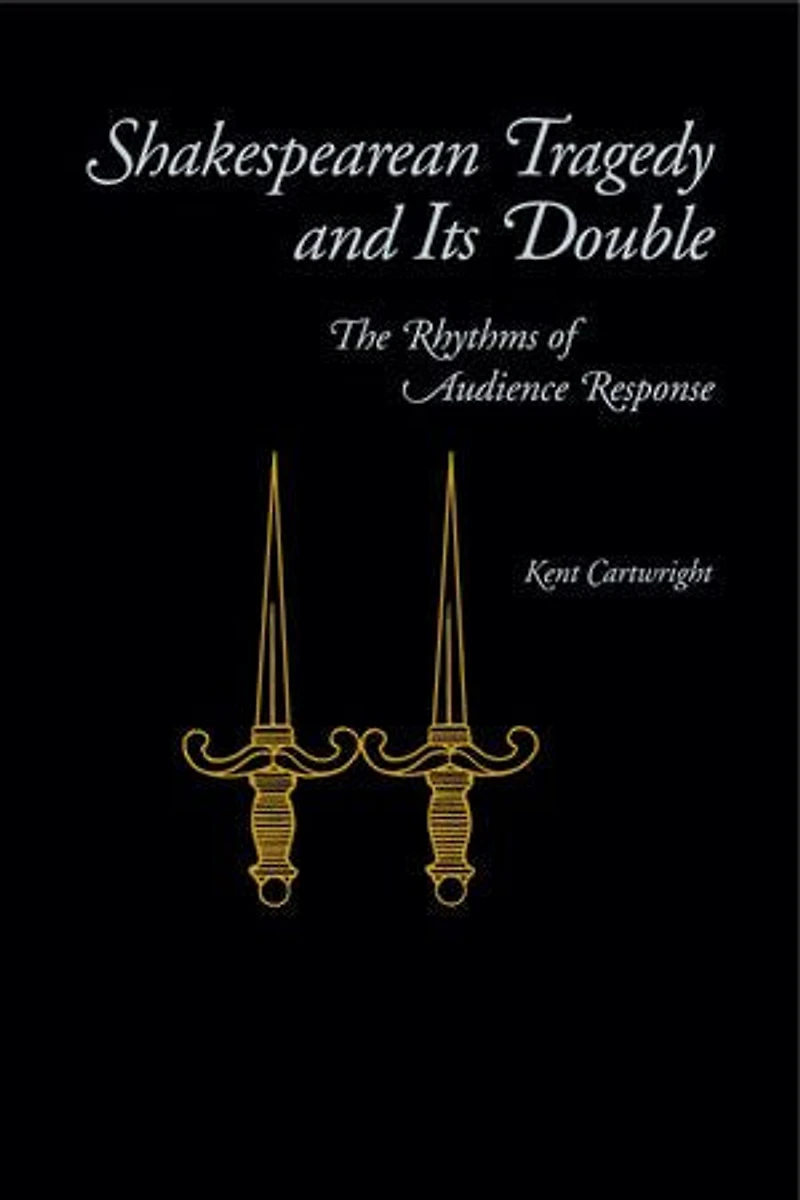
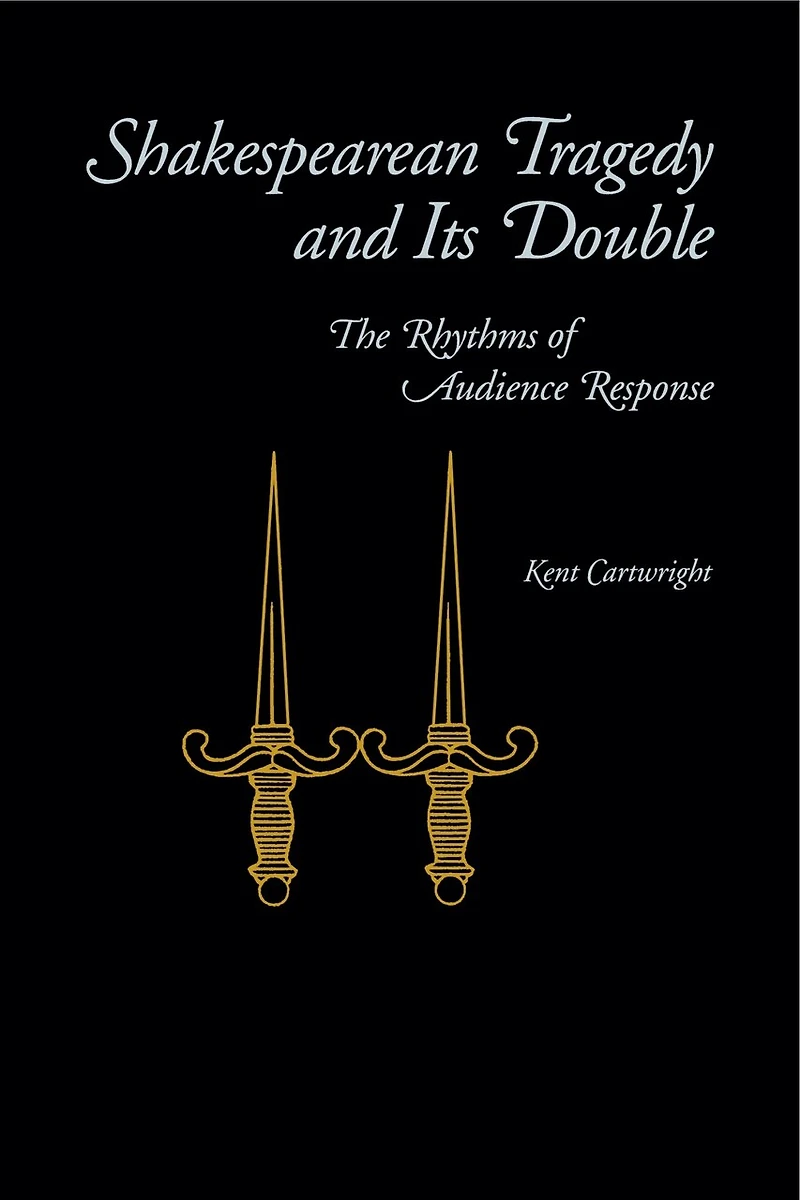
Shakespearean Tragedy and Its Double: The Rhythms of Audience Response in Brampton, ON
Current price: $38.39
Original price: $47.99
Coles
Shakespearean Tragedy and Its Double: The Rhythms of Audience Response in Brampton, ON
Current price: $38.39
Original price: $47.99
Loading Inventory...
Size: Kobo eBook
*Product information and pricing may vary - to confirm current pricing, availability, shipping, and return information please contact Coles. In the event of a pricing discrepancy, the retailer's price will apply.
Why does Shakespearean tragedy continue to move spectators even though Elizabethan philosophical assumptions have faded from belief? Shakespearean Tragedy and Its Double seeks answers in the moment-by-moment dynamics of performance and response, and the Shakespearean text signals those possibilities. Shakespearean Tragedy and Its Double investigates the poetics of audience response. Approaching tragedy through the rhythms of spectatorial engagement and detachment ("aesthetic distance"), Kent Cartwright provides a performance-oriented and phenomenological perspective. Shakespearean Tragedy and Its Double analyzes the development of the tragic audience as it oscillates between engagement—an immersion in narrative, character, and physical action—and detachment—a consciousness of its own comparative judgments, its doubts, and of acting and theatricality. Cartwright contends that the spectator emerges as a character implied and acted upon by the play. He supports his theory with close readings of individual plays from the perspective of a particular element of spectatorial response: the carnivalesque qualities of Romeo and Juliet ; the rhythm of similitude, displacement, and wonder in the audience's relationships to Hamlet ; aesthetic distance as scenic structure in Othello ; the influence of secondary characters and ensemble acting on the Quarto King Lear ; and spectatorship as action itself in Antony and Cleopatra . Shakespearean Tragedy and Its Double treats the dramatic moment in Shakespearean tragedy as uncommonly charged, various, indeterminate, always negotiating unpredictably between the necessary and the spontaneous. Cartwright argues that, for the audience, the very dynamism of tragedy confers a certain enfranchisement, and the spectator's experience emerges as analogous to, though different from, that of the protagonist. Through its own engagement and detachments the audience becomes the final performer creating the play's meaning.
Why does Shakespearean tragedy continue to move spectators even though Elizabethan philosophical assumptions have faded from belief? Shakespearean Tragedy and Its Double seeks answers in the moment-by-moment dynamics of performance and response, and the Shakespearean text signals those possibilities. Shakespearean Tragedy and Its Double investigates the poetics of audience response. Approaching tragedy through the rhythms of spectatorial engagement and detachment ("aesthetic distance"), Kent Cartwright provides a performance-oriented and phenomenological perspective. Shakespearean Tragedy and Its Double analyzes the development of the tragic audience as it oscillates between engagement—an immersion in narrative, character, and physical action—and detachment—a consciousness of its own comparative judgments, its doubts, and of acting and theatricality. Cartwright contends that the spectator emerges as a character implied and acted upon by the play. He supports his theory with close readings of individual plays from the perspective of a particular element of spectatorial response: the carnivalesque qualities of Romeo and Juliet ; the rhythm of similitude, displacement, and wonder in the audience's relationships to Hamlet ; aesthetic distance as scenic structure in Othello ; the influence of secondary characters and ensemble acting on the Quarto King Lear ; and spectatorship as action itself in Antony and Cleopatra . Shakespearean Tragedy and Its Double treats the dramatic moment in Shakespearean tragedy as uncommonly charged, various, indeterminate, always negotiating unpredictably between the necessary and the spontaneous. Cartwright argues that, for the audience, the very dynamism of tragedy confers a certain enfranchisement, and the spectator's experience emerges as analogous to, though different from, that of the protagonist. Through its own engagement and detachments the audience becomes the final performer creating the play's meaning.
You May Also Like












Find at Bramalea City Centre in Brampton, ON
Visit at Bramalea City Centre in Brampton, ON