



Gifting Made Simple
Give the Gift of ChoiceClick below to purchase a Bramalea City Centre eGift Card that can be used at participating retailers at Bramalea City Centre.Purchase HereHome
Shakespeare and the Theater of Religious Conviction Early Modern England
Coles
Loading Inventory...
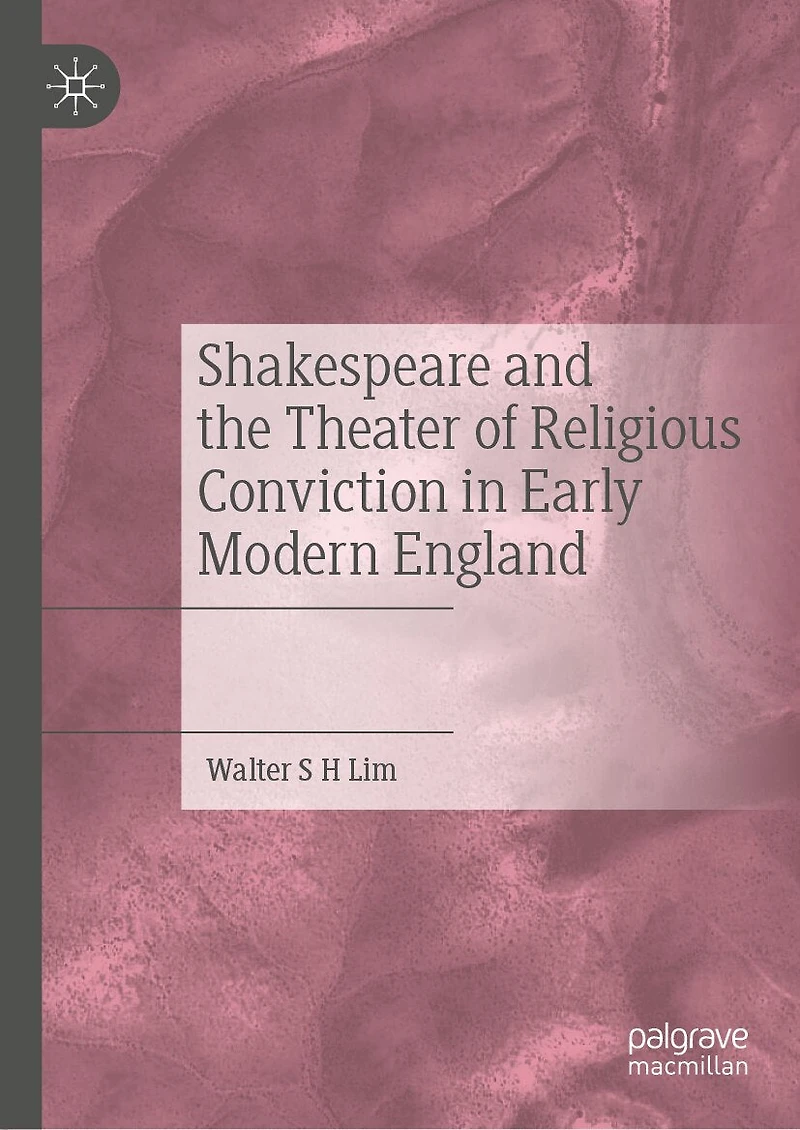
Shakespeare and the Theater of Religious Conviction Early Modern England in Brampton, ON
Current price: $189.95
Coles
Shakespeare and the Theater of Religious Conviction Early Modern England in Brampton, ON
Current price: $189.95
Loading Inventory...
Size: Hardcover
*Product information and pricing may vary - to confirm current pricing, availability, shipping, and return information please contact Coles. In the event of a pricing discrepancy, the retailer's price will apply.
This book analyzes Shakespeare's use of biblical allusions and evocation of doctrinal topics in Hamlet , Measure for Measure , The Winter's Tale , Richard II, and The Merchant of Venice . It identifies references to theological and doctrinal commonplaces such as sin, grace, confession, damnation, and the Fall in these plays, affirming that Shakespeare's literary imagination is very much influenced by his familiarity with the Bible and also with matters of church doctrine. This theological and doctrinal subject matter also derives its significance from genres as diverse as travel narratives, sermons, political treatises, and royal proclamations. This study looks at how Shakespeare's deployment of religious topics interacts with ideas circulating via other cultural texts and genres in society. It also analyzes how religion enables Shakespeare's engagement with cultural debates and political developments in England: absolutism and law; radical political theory; morality and law; and conceptions of nationhood.
This book analyzes Shakespeare's use of biblical allusions and evocation of doctrinal topics in Hamlet , Measure for Measure , The Winter's Tale , Richard II, and The Merchant of Venice . It identifies references to theological and doctrinal commonplaces such as sin, grace, confession, damnation, and the Fall in these plays, affirming that Shakespeare's literary imagination is very much influenced by his familiarity with the Bible and also with matters of church doctrine. This theological and doctrinal subject matter also derives its significance from genres as diverse as travel narratives, sermons, political treatises, and royal proclamations. This study looks at how Shakespeare's deployment of religious topics interacts with ideas circulating via other cultural texts and genres in society. It also analyzes how religion enables Shakespeare's engagement with cultural debates and political developments in England: absolutism and law; radical political theory; morality and law; and conceptions of nationhood.
You May Also Like









Find at Bramalea City Centre in Brampton, ON
Visit at Bramalea City Centre in Brampton, ON