



Gifting Made Simple
Give the Gift of ChoiceClick below to purchase a Bramalea City Centre eGift Card that can be used at participating retailers at Bramalea City Centre.Purchase HereHome
Scientific Freedom: the Heart of Right to Science
Coles
Loading Inventory...
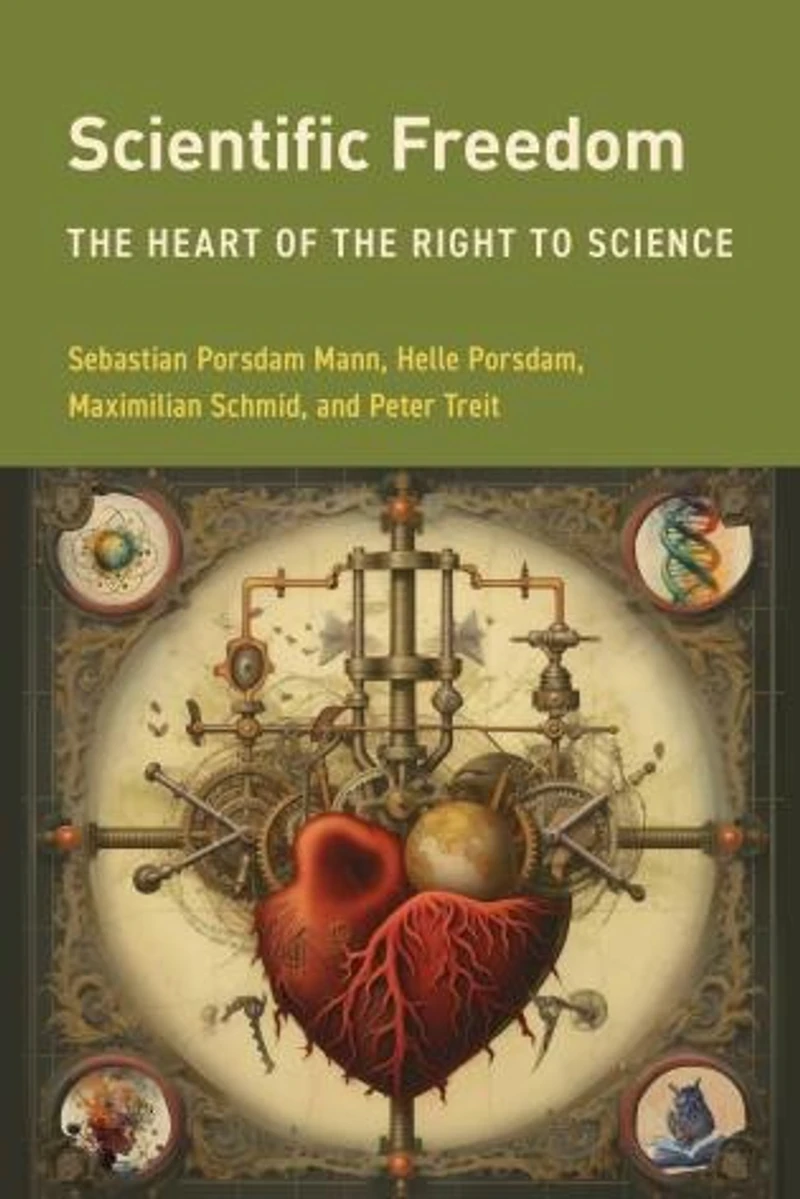

Scientific Freedom: the Heart of Right to Science in Brampton, ON
Current price: $146.50
Coles
Scientific Freedom: the Heart of Right to Science in Brampton, ON
Current price: $146.50
Loading Inventory...
Size: Hardcover
*Product information and pricing may vary - to confirm current pricing, availability, shipping, and return information please contact Coles. In the event of a pricing discrepancy, the retailer's price will apply.
Scientists are supposed to have freedom to choose and conduct their experiments and exchange their ideas. Known as scientific freedom, this idea has been implicated in both wonderful and terrible scientific discoveries. Although it is not new, it has great relevance to contemporary society. In a time of genetic editing, global warming, and a worldwide pandemic, the question of how freely science is and should be conducted is one that has significant practical consequences. Drawing on rigorous interdisciplinary methods, this book defines the concept of scientific freedom, tells its story, and asks on what basis scientific freedom is best justified. Based on international human rights law and philosophy, the authors develop a model of scientific freedom as a constitutive element of the human right to enjoy the benefits of the progress of science and its applications. To illustrate its usefulness, they then test and apply this model to a real-life and real-time case study, as well as to two highly important international human rights instruments.
Scientists are supposed to have freedom to choose and conduct their experiments and exchange their ideas. Known as scientific freedom, this idea has been implicated in both wonderful and terrible scientific discoveries. Although it is not new, it has great relevance to contemporary society. In a time of genetic editing, global warming, and a worldwide pandemic, the question of how freely science is and should be conducted is one that has significant practical consequences. Drawing on rigorous interdisciplinary methods, this book defines the concept of scientific freedom, tells its story, and asks on what basis scientific freedom is best justified. Based on international human rights law and philosophy, the authors develop a model of scientific freedom as a constitutive element of the human right to enjoy the benefits of the progress of science and its applications. To illustrate its usefulness, they then test and apply this model to a real-life and real-time case study, as well as to two highly important international human rights instruments.
You May Also Like











Find at Bramalea City Centre in Brampton, ON
Visit at Bramalea City Centre in Brampton, ON