



Gifting Made Simple
Give the Gift of ChoiceClick below to purchase a Bramalea City Centre eGift Card that can be used at participating retailers at Bramalea City Centre.Purchase HereHome
Science as Active Inquiry: A Teacher's Guide to the Development of Effective Teaching
Coles
Loading Inventory...
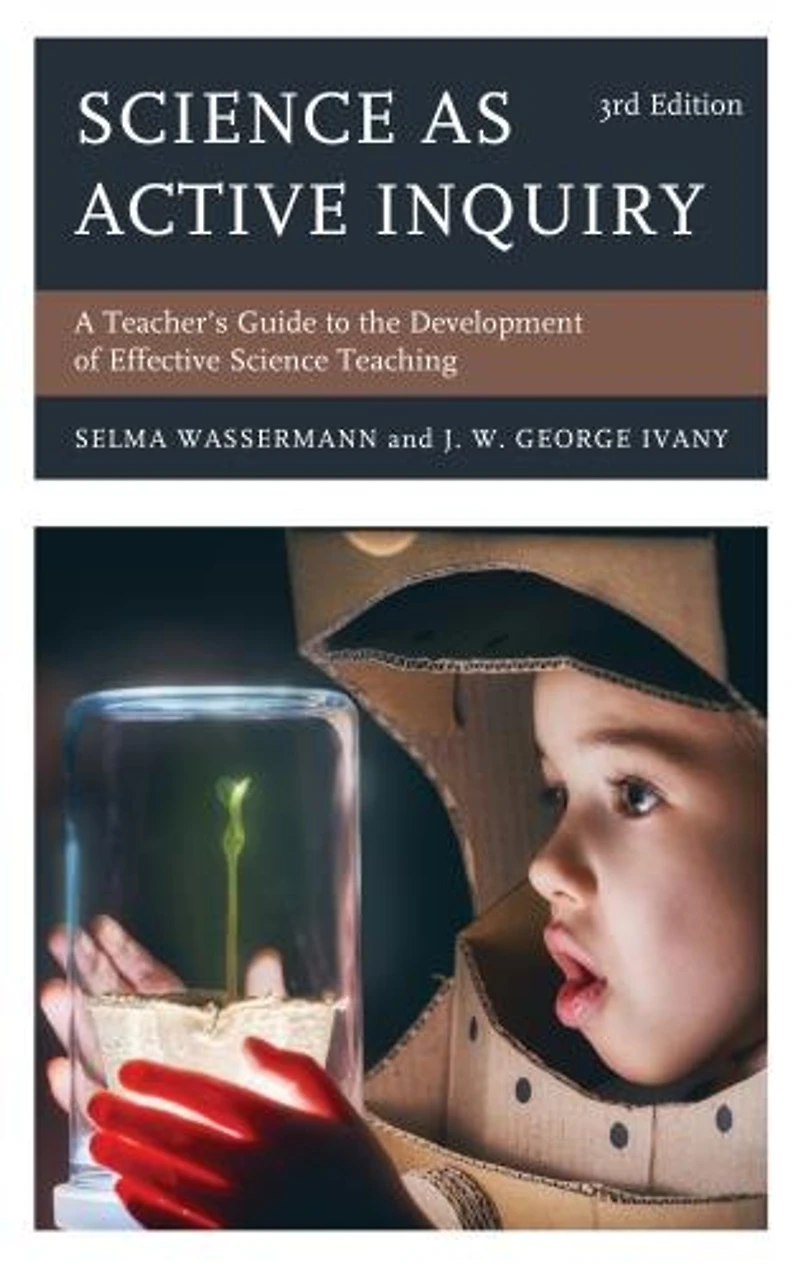
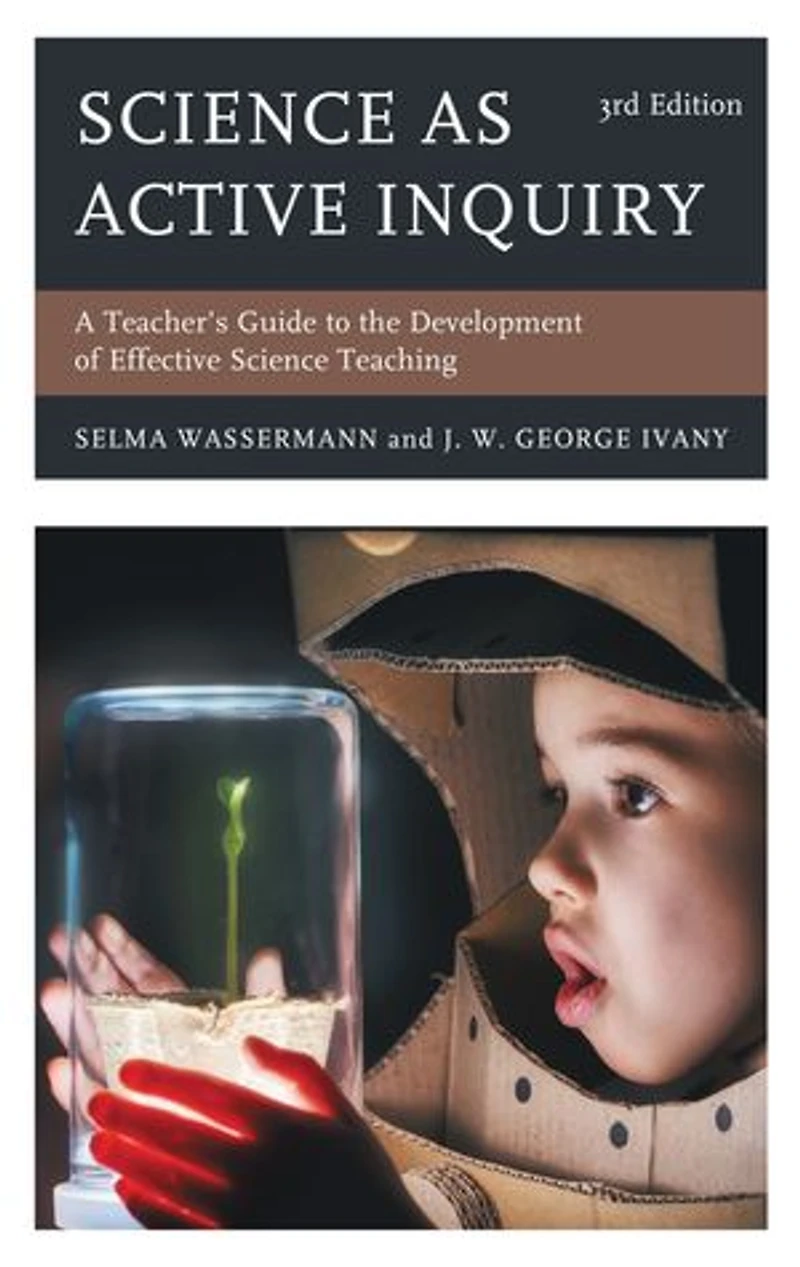
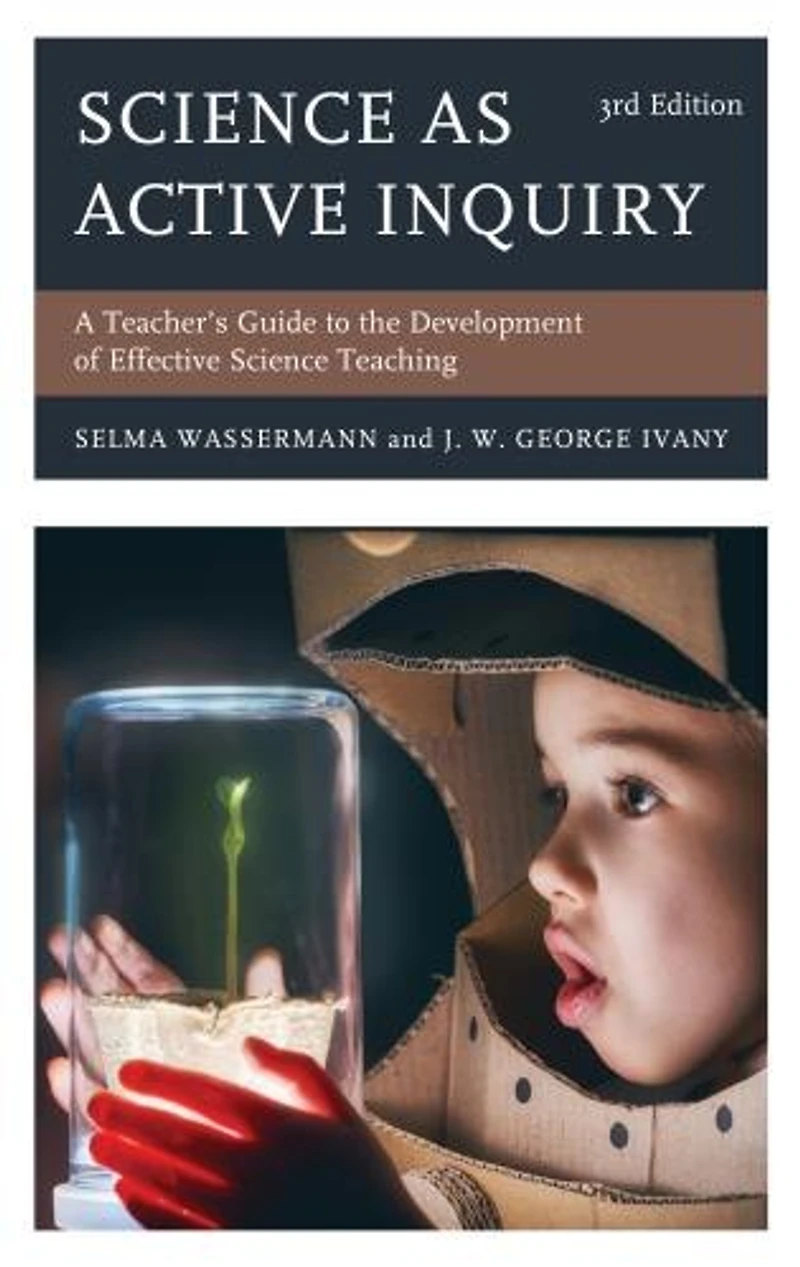
Science as Active Inquiry: A Teacher's Guide to the Development of Effective Teaching in Brampton, ON
Current price: $160.95
Coles
Science as Active Inquiry: A Teacher's Guide to the Development of Effective Teaching in Brampton, ON
Current price: $160.95
Loading Inventory...
Size: Hardcover
*Product information and pricing may vary - to confirm current pricing, availability, shipping, and return information please contact Coles. In the event of a pricing discrepancy, the retailer's price will apply.
This new text lays out the rationale for teaching science as active inquiry and presents a “teaching for thinking” theoretical framework that is rooted in extensive field research and classroom practice. This introductory section is followed with information and guidelines for how teachers may organize their science programs with a focus on hands-on student involvement in active inquiry. The last section includes 60 “sciencing” activities that are grouped according to teachers’ expressed concerns about their “messiness.” With the current emphasis on distance learning, the use of IT as instructional tools and more child-centered practices, this new book should serve as a valuable resource for opening teachers’ and students’ minds to the values of teaching science in the ways in which scientists actually do their work. More than theory, the book offers practical and clear help to teachers to want to pursue teaching science as an investigative process.
This new text lays out the rationale for teaching science as active inquiry and presents a “teaching for thinking” theoretical framework that is rooted in extensive field research and classroom practice. This introductory section is followed with information and guidelines for how teachers may organize their science programs with a focus on hands-on student involvement in active inquiry. The last section includes 60 “sciencing” activities that are grouped according to teachers’ expressed concerns about their “messiness.” With the current emphasis on distance learning, the use of IT as instructional tools and more child-centered practices, this new book should serve as a valuable resource for opening teachers’ and students’ minds to the values of teaching science in the ways in which scientists actually do their work. More than theory, the book offers practical and clear help to teachers to want to pursue teaching science as an investigative process.
You May Also Like











Find at Bramalea City Centre in Brampton, ON
Visit at Bramalea City Centre in Brampton, ON