



Gifting Made Simple
Give the Gift of ChoiceClick below to purchase a Bramalea City Centre eGift Card that can be used at participating retailers at Bramalea City Centre.Purchase HereHome
Rethinking Art and Visual Culture: The Poetics of Opacity
Coles
Loading Inventory...
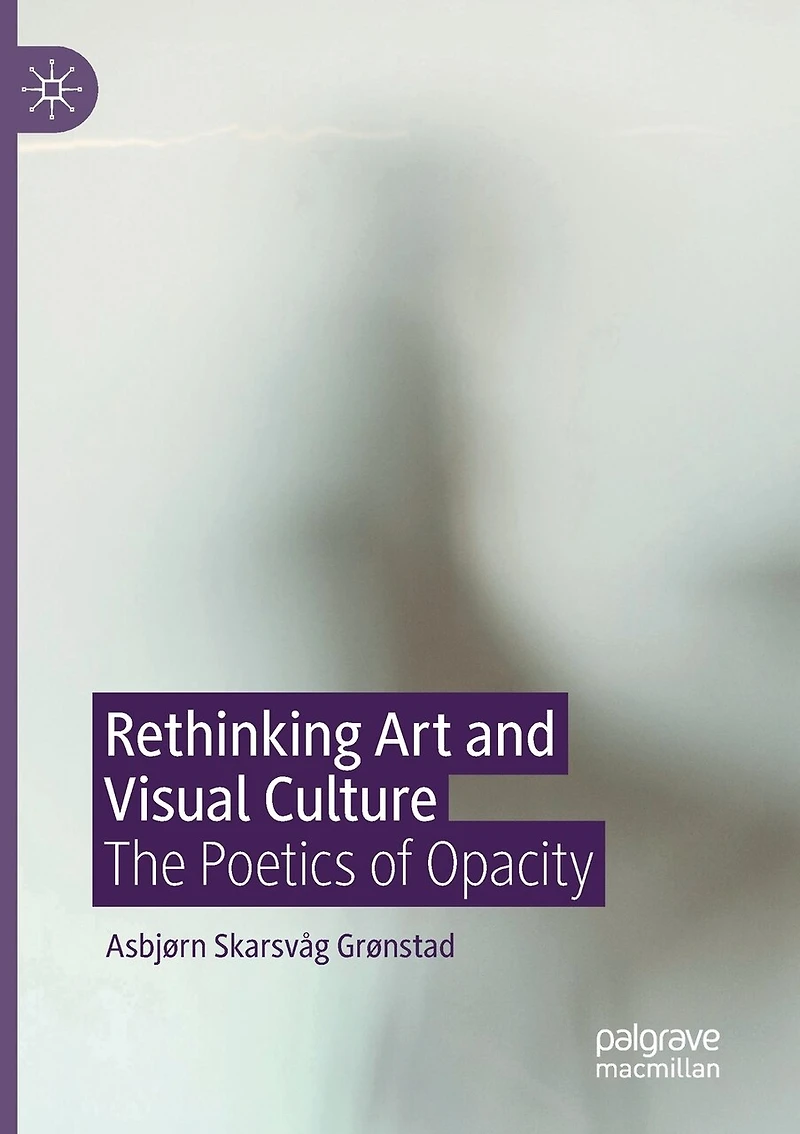
Rethinking Art and Visual Culture: The Poetics of Opacity in Brampton, ON
Current price: $131.50
Coles
Rethinking Art and Visual Culture: The Poetics of Opacity in Brampton, ON
Current price: $131.50
Loading Inventory...
Size: Paperback
*Product information and pricing may vary - to confirm current pricing, availability, shipping, and return information please contact Coles. In the event of a pricing discrepancy, the retailer's price will apply.
This is the first book to offer a systematic account of the concept of opacity in the aesthetic field. Engaging with works by Ernie Gehr, John Akomfrah, Matt Saunders, David Lynch, Trevor Paglen, Zach Blas, and Low, the study considers the cultural, epistemological, and ethical values of images and sounds that are fuzzy, indeterminate, distorted, degraded, or otherwise indistinct. Rethinking Art and Visual Culture shows how opaque forms of art address problems of mediation, knowledge, and information. It also intervenes in current debates about new systems of visibility and surveillance by explaining how indefinite art provides a critique of the positivist drive behind these regimes. A timely contribution to media theory, cinema studies, American studies, and aesthetics, the book presents a novel and extensive analysis of the politics of transparency.
This is the first book to offer a systematic account of the concept of opacity in the aesthetic field. Engaging with works by Ernie Gehr, John Akomfrah, Matt Saunders, David Lynch, Trevor Paglen, Zach Blas, and Low, the study considers the cultural, epistemological, and ethical values of images and sounds that are fuzzy, indeterminate, distorted, degraded, or otherwise indistinct. Rethinking Art and Visual Culture shows how opaque forms of art address problems of mediation, knowledge, and information. It also intervenes in current debates about new systems of visibility and surveillance by explaining how indefinite art provides a critique of the positivist drive behind these regimes. A timely contribution to media theory, cinema studies, American studies, and aesthetics, the book presents a novel and extensive analysis of the politics of transparency.
You May Also Like









Find at Bramalea City Centre in Brampton, ON
Visit at Bramalea City Centre in Brampton, ON