



Gifting Made Simple
Give the Gift of ChoiceClick below to purchase a Bramalea City Centre eGift Card that can be used at participating retailers at Bramalea City Centre.Purchase HereHome
Religion Versus Secular Humanism: What the Psychological and Social Sciences Can Tell Us
Coles
Loading Inventory...
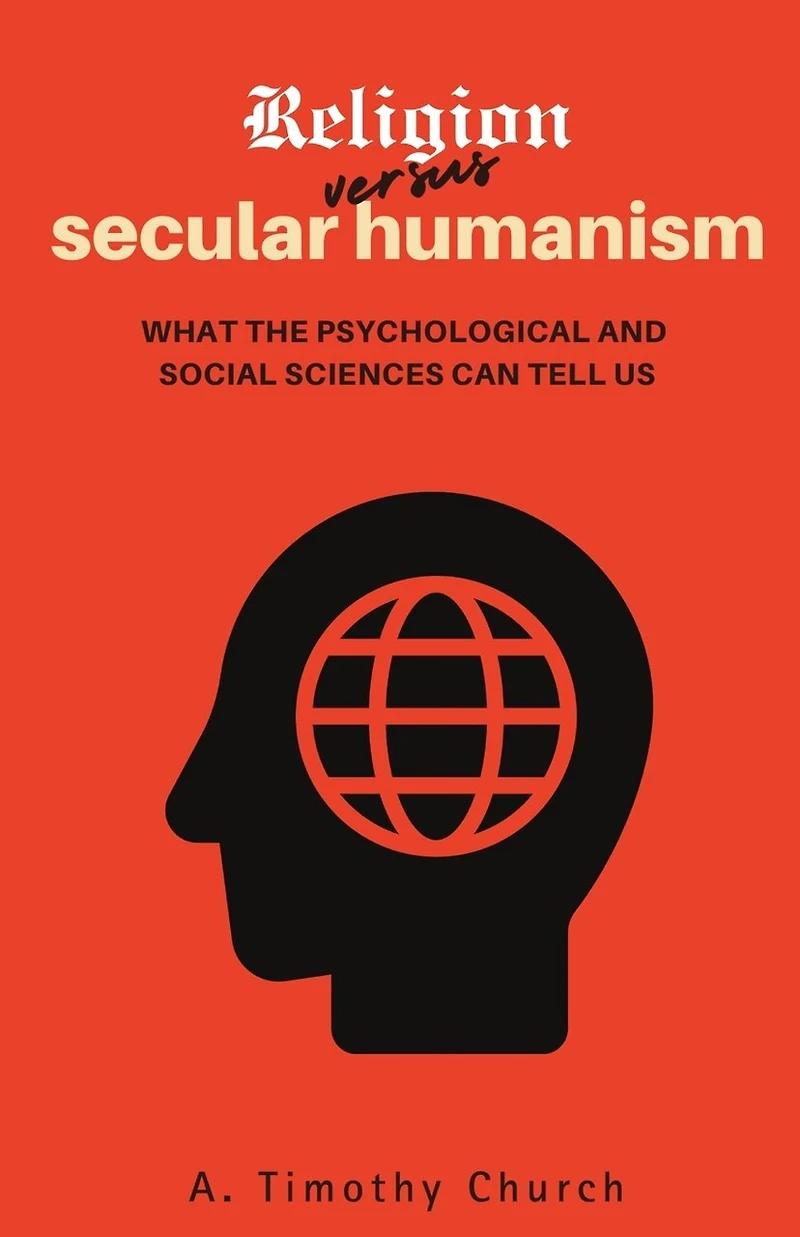
Religion Versus Secular Humanism: What the Psychological and Social Sciences Can Tell Us in Brampton, ON
Current price: $29.99
Coles
Religion Versus Secular Humanism: What the Psychological and Social Sciences Can Tell Us in Brampton, ON
Current price: $29.99
Loading Inventory...
Size: Paperback
*Product information and pricing may vary - to confirm current pricing, availability, shipping, and return information please contact Coles. In the event of a pricing discrepancy, the retailer's price will apply.
In today's contentious climate-in which a seemingly unbridgeable gap between religious and secular worldviews persists-this book discusses the relative merits and viability of religion versus secular humanism from the perspective of the psychological and social sciences. Among the questions asked: Are there plausible naturalistic (vs. religious) explanations of the origins, evolution, and functions of religion? What are the beneficial and harmful effects of religion and can the benefits be adequately achieved via secular means? Can secular humanists live moral, meaningful, and fulfilling lives, or is the fully secular life deficient in some way? Can psychological science show us how to live meaningful and fulfilling lives, with or without religion? As much of the world secularizes, is religion likely to persist? Should it? Evidence-based proposals to reduce the religious-secular gap are also offered. The discussion is non-polemic and accessible to inquisitive lay people.
In today's contentious climate-in which a seemingly unbridgeable gap between religious and secular worldviews persists-this book discusses the relative merits and viability of religion versus secular humanism from the perspective of the psychological and social sciences. Among the questions asked: Are there plausible naturalistic (vs. religious) explanations of the origins, evolution, and functions of religion? What are the beneficial and harmful effects of religion and can the benefits be adequately achieved via secular means? Can secular humanists live moral, meaningful, and fulfilling lives, or is the fully secular life deficient in some way? Can psychological science show us how to live meaningful and fulfilling lives, with or without religion? As much of the world secularizes, is religion likely to persist? Should it? Evidence-based proposals to reduce the religious-secular gap are also offered. The discussion is non-polemic and accessible to inquisitive lay people.
You May Also Like










Find at Bramalea City Centre in Brampton, ON
Visit at Bramalea City Centre in Brampton, ON