



Gifting Made Simple
Give the Gift of ChoiceClick below to purchase a Bramalea City Centre eGift Card that can be used at participating retailers at Bramalea City Centre.Purchase HereHome
Redeveloping China's Villages in the Twenty-First Century: The Dilemmas of Policy Implementation
Coles
Loading Inventory...
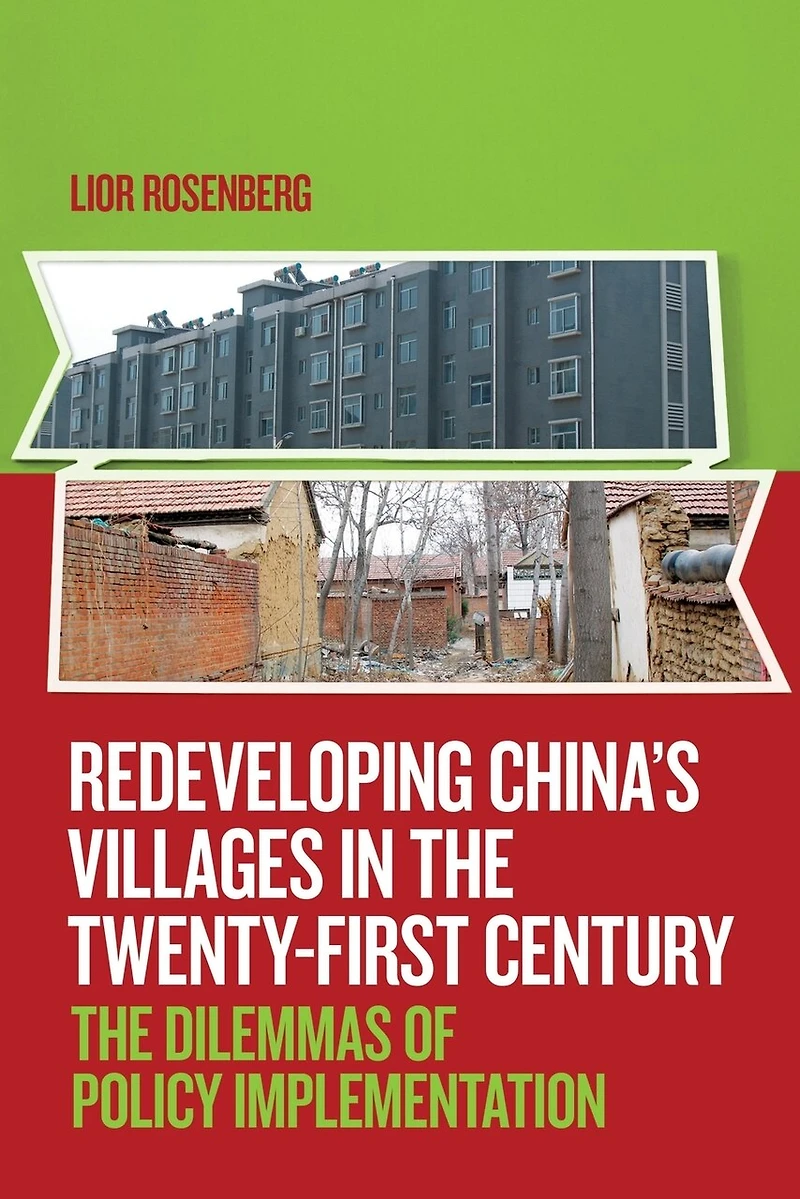
Redeveloping China's Villages in the Twenty-First Century: The Dilemmas of Policy Implementation in Brampton, ON
Current price: $40.99
Coles
Redeveloping China's Villages in the Twenty-First Century: The Dilemmas of Policy Implementation in Brampton, ON
Current price: $40.99
Loading Inventory...
Size: Paperback
*Product information and pricing may vary - to confirm current pricing, availability, shipping, and return information please contact Coles. In the event of a pricing discrepancy, the retailer's price will apply.
Implementing national policies is a crucial function of the local Chinese bureaucracy and an indispensable part of Beijing's overall state capacity. Yet the specifics of how and why local officials interpret and implement such policies have so far escaped detailed attention. In Redeveloping China's Villages in the Twenty-First Century , Lior Rosenberg fills this gap by examining the national Village Redevelopment Program, one of China's most significant policies of recent decades to promote rural change. Based on Rosenberg's on-site research, Redeveloping China's Villages in the Twenty-First Century investigates the Village Redevelopment Program's implementation in both the industrialised county of Chenggu, in Shandong province, and the predominantly agricultural county of Beian, in Anhui province. At the book's heart is a puzzle: the program was supposed to prioritise poorer villages, but in both Chenggu and Beian-despite being carried out in surprisingly divergent ways-it has subsidised improved infrastructure and services in already industrialised and prosperous villages, while leaving behind poorer ones. In explaining this outcome, Rosenberg elaborates on the larger economic, political and social environment in which Chinese local officials operate, as well as the pressures they face from above. He analyses the dual role played by higher-level authorities, as both policy enablers and thwarters in a system that sanctifies commandism but where the distinction between principals and agents is blurred.
Implementing national policies is a crucial function of the local Chinese bureaucracy and an indispensable part of Beijing's overall state capacity. Yet the specifics of how and why local officials interpret and implement such policies have so far escaped detailed attention. In Redeveloping China's Villages in the Twenty-First Century , Lior Rosenberg fills this gap by examining the national Village Redevelopment Program, one of China's most significant policies of recent decades to promote rural change. Based on Rosenberg's on-site research, Redeveloping China's Villages in the Twenty-First Century investigates the Village Redevelopment Program's implementation in both the industrialised county of Chenggu, in Shandong province, and the predominantly agricultural county of Beian, in Anhui province. At the book's heart is a puzzle: the program was supposed to prioritise poorer villages, but in both Chenggu and Beian-despite being carried out in surprisingly divergent ways-it has subsidised improved infrastructure and services in already industrialised and prosperous villages, while leaving behind poorer ones. In explaining this outcome, Rosenberg elaborates on the larger economic, political and social environment in which Chinese local officials operate, as well as the pressures they face from above. He analyses the dual role played by higher-level authorities, as both policy enablers and thwarters in a system that sanctifies commandism but where the distinction between principals and agents is blurred.
You May Also Like










Find at Bramalea City Centre in Brampton, ON
Visit at Bramalea City Centre in Brampton, ON