



Gifting Made Simple
Give the Gift of ChoiceClick below to purchase a Bramalea City Centre eGift Card that can be used at participating retailers at Bramalea City Centre.Purchase HereHome
Red Flag and Union Jack: Englishness, Patriotism and the British Left, 1881-1924
Coles
Loading Inventory...
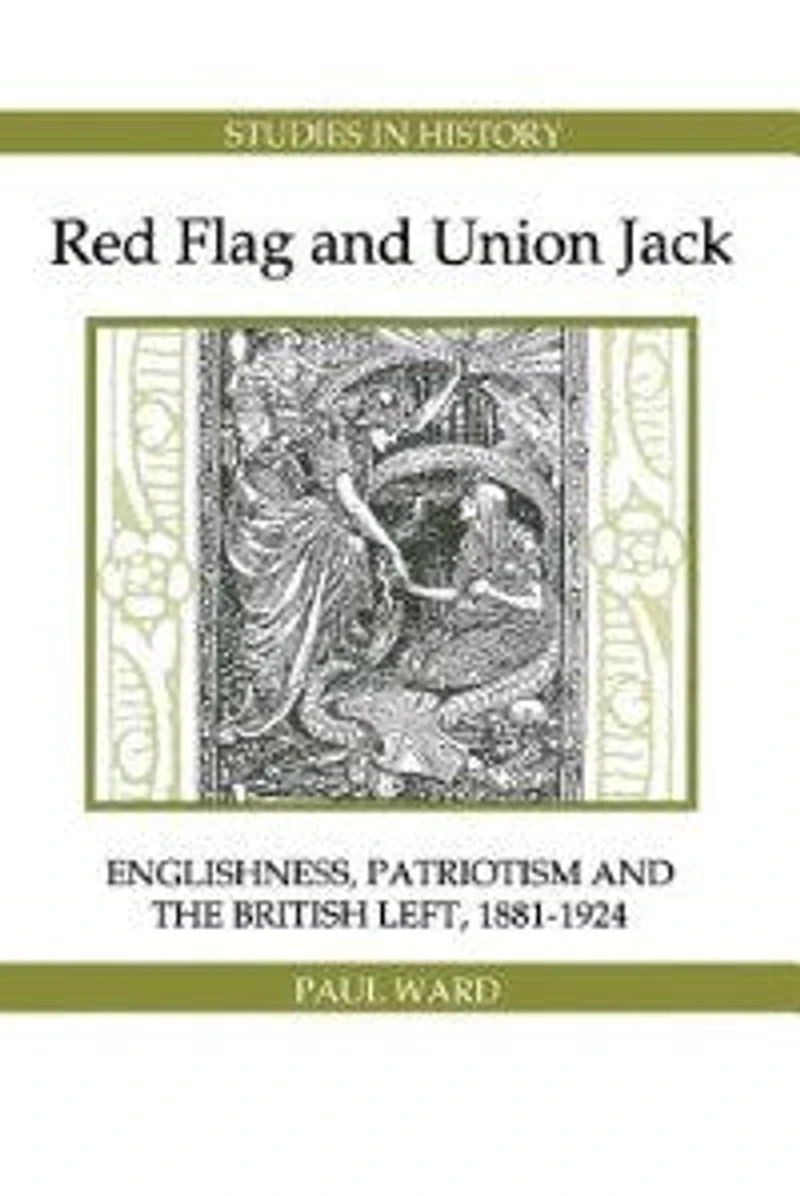
Red Flag and Union Jack: Englishness, Patriotism and the British Left, 1881-1924 in Brampton, ON
Current price: $39.29
Coles
Red Flag and Union Jack: Englishness, Patriotism and the British Left, 1881-1924 in Brampton, ON
Current price: $39.29
Loading Inventory...
Size: Paperback
*Product information and pricing may vary - to confirm current pricing, availability, shipping, and return information please contact Coles. In the event of a pricing discrepancy, the retailer's price will apply.
Examines the relationship between the British left and national identity in socialism's formative years.
It is generally assumed that the language of patriotism and national identity belongs to the political right, but the emergence of socialism in the 1880s shows clearly that the left also drew on such ideas in its formative years to legitimate a particular form of socialism, one presented as a restoration of an English past lost to industrial capitalism. The First World War dealt a severe blow to this radical patriotism: though the anti-war left continued to use radical patriotic language in the early years, the war degraded patriotism generally, while the Russian Revolution gave internationalism a new focus, and also threatened the dominant concept of British socialism. Moderate Labour sought to prove their fitness to govern, and concentrated on the "national interest" rather than oppositional Englishness, while the left of the movement looked to Soviet Russia rather than the English past for models for a future socialist society.
Paul Ward teaches at the School of Music, Humanities and Media, University of Huddersfield.
Examines the relationship between the British left and national identity in socialism's formative years.
It is generally assumed that the language of patriotism and national identity belongs to the political right, but the emergence of socialism in the 1880s shows clearly that the left also drew on such ideas in its formative years to legitimate a particular form of socialism, one presented as a restoration of an English past lost to industrial capitalism. The First World War dealt a severe blow to this radical patriotism: though the anti-war left continued to use radical patriotic language in the early years, the war degraded patriotism generally, while the Russian Revolution gave internationalism a new focus, and also threatened the dominant concept of British socialism. Moderate Labour sought to prove their fitness to govern, and concentrated on the "national interest" rather than oppositional Englishness, while the left of the movement looked to Soviet Russia rather than the English past for models for a future socialist society.
Paul Ward teaches at the School of Music, Humanities and Media, University of Huddersfield.
You May Also Like














Find at Bramalea City Centre in Brampton, ON
Visit at Bramalea City Centre in Brampton, ON