



Gifting Made Simple
Give the Gift of ChoiceClick below to purchase a Bramalea City Centre eGift Card that can be used at participating retailers at Bramalea City Centre.Purchase HereHome
Rebuilding Urban Complexity: A Configurational Approach to Postindustrial Cities
Coles
Loading Inventory...
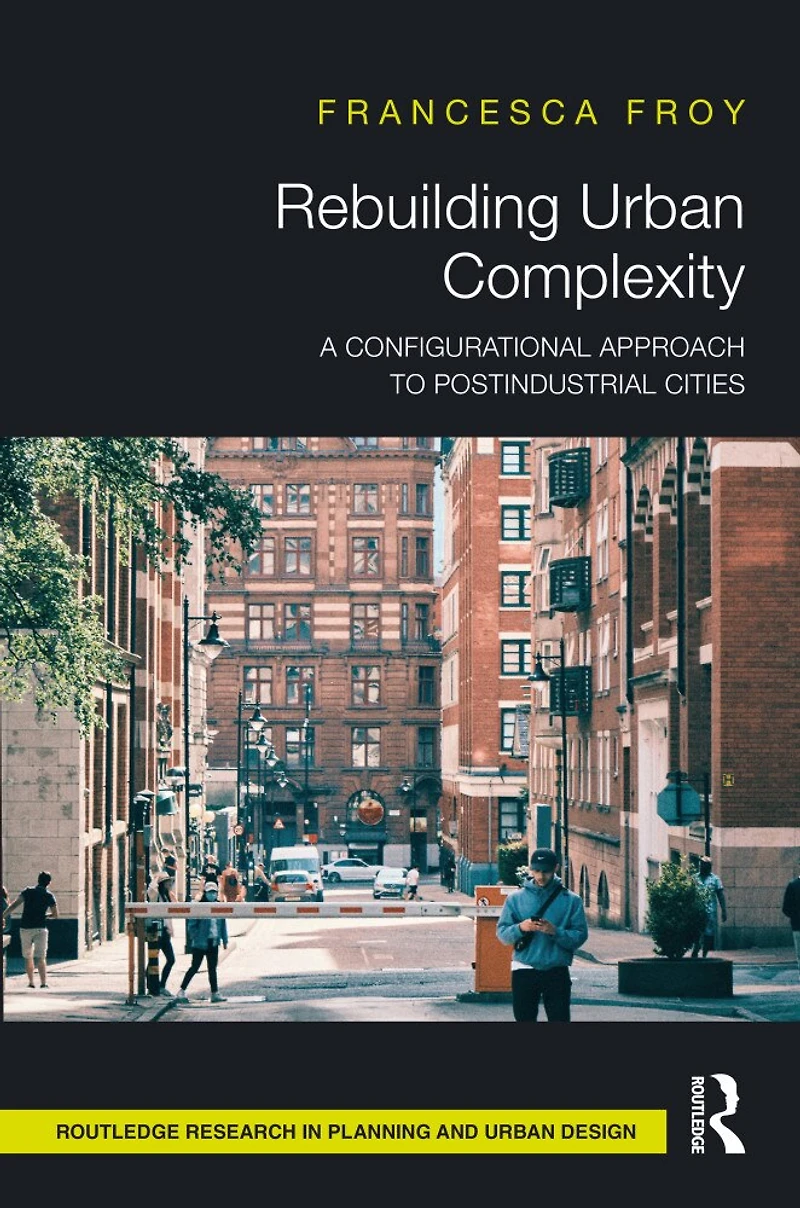
Rebuilding Urban Complexity: A Configurational Approach to Postindustrial Cities in Brampton, ON
Current price: $346.50
Coles
Rebuilding Urban Complexity: A Configurational Approach to Postindustrial Cities in Brampton, ON
Current price: $346.50
Loading Inventory...
Size: Hardcover
*Product information and pricing may vary - to confirm current pricing, availability, shipping, and return information please contact Coles. In the event of a pricing discrepancy, the retailer's price will apply.
This is a book about urban complexity - how it evolves and how it gets destroyed. It explores the structures of interdependency which underpin cities, where the many different "parts" (people, streets, industry sectors) interact to form an evolving "whole". The book explores the evolution and destruction of complexity in one city - Greater Manchester - but also other post-industrial cities, including Sheffield and Newcastle, Detroit and New Haven. The focus is on the networked qualities of public urban space, and how street networks work as multiscale systems. The book also explores economic networks, and the evolving sets of interconnecting economic capabilities which help to shape urban economies. It demonstrates how cities evolve through processes of self-organisation - and concludes by considering how policy makers can best harness such processes as they rebuild urban complexity following insensitive planning interventions in the 1960s and 1970s. The book will appeal to anybody with an interest in cities, and how they work. It is interdisciplinary in scope, weaving in strands from architecture, economics, history, anthropology and ecology. It is written for academics but also non-academics, including urban planners, architects, local economic development actors and other policy makers.
This is a book about urban complexity - how it evolves and how it gets destroyed. It explores the structures of interdependency which underpin cities, where the many different "parts" (people, streets, industry sectors) interact to form an evolving "whole". The book explores the evolution and destruction of complexity in one city - Greater Manchester - but also other post-industrial cities, including Sheffield and Newcastle, Detroit and New Haven. The focus is on the networked qualities of public urban space, and how street networks work as multiscale systems. The book also explores economic networks, and the evolving sets of interconnecting economic capabilities which help to shape urban economies. It demonstrates how cities evolve through processes of self-organisation - and concludes by considering how policy makers can best harness such processes as they rebuild urban complexity following insensitive planning interventions in the 1960s and 1970s. The book will appeal to anybody with an interest in cities, and how they work. It is interdisciplinary in scope, weaving in strands from architecture, economics, history, anthropology and ecology. It is written for academics but also non-academics, including urban planners, architects, local economic development actors and other policy makers.
You May Also Like








Find at Bramalea City Centre in Brampton, ON
Visit at Bramalea City Centre in Brampton, ON