



Gifting Made Simple
Give the Gift of ChoiceClick below to purchase a Bramalea City Centre eGift Card that can be used at participating retailers at Bramalea City Centre.Purchase HereHome
Real Estate and Global Urban History
Coles
Loading Inventory...
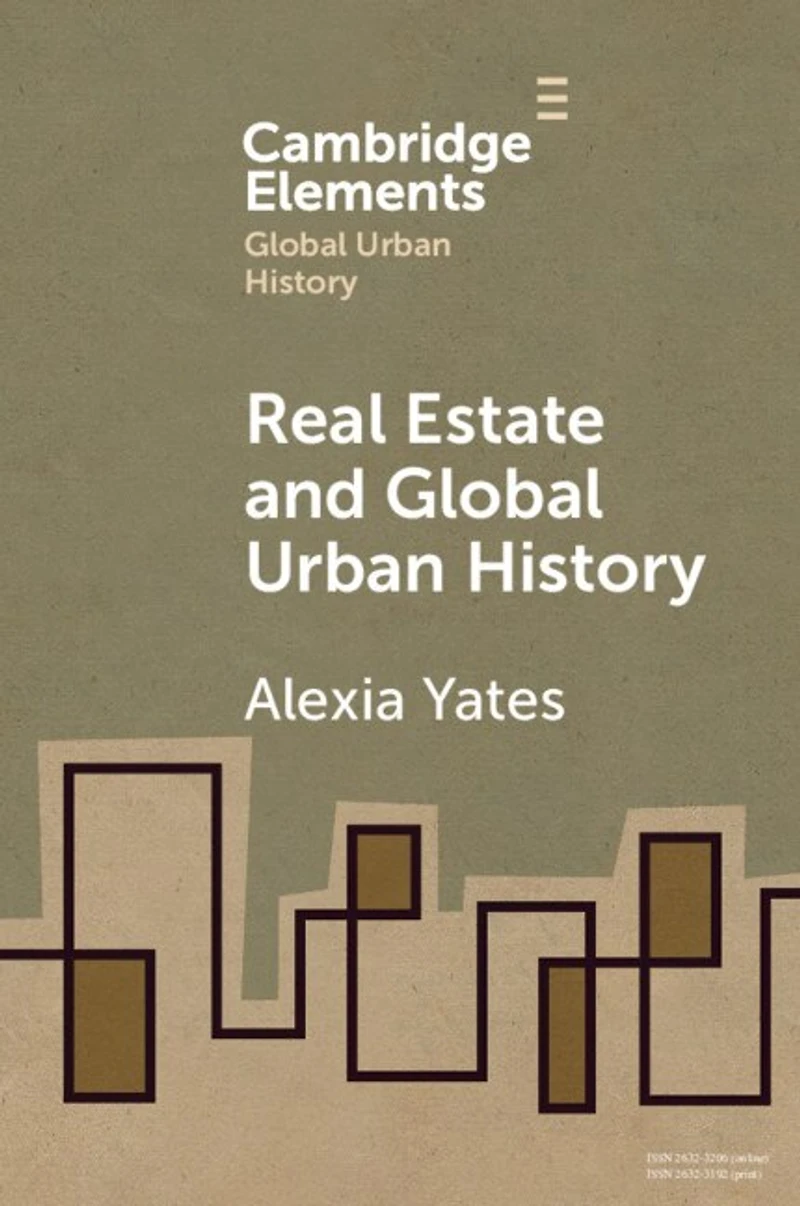
Real Estate and Global Urban History in Brampton, ON
Current price: $29.54
Coles
Real Estate and Global Urban History in Brampton, ON
Current price: $29.54
Loading Inventory...
Size: Paperback
*Product information and pricing may vary - to confirm current pricing, availability, shipping, and return information please contact Coles. In the event of a pricing discrepancy, the retailer's price will apply.
Capitalist private property in land and buildings – real estate – is the ground of modern cities, materially, politically, and economically. It is foundational to their development and core to much theoretical work on the urban environment. It is also a central, pressing matter of political contestation in contemporary cities. Yet it remains largely without a history. This Element examines the modern city as a propertied space, defining real estate as a technology of (dis)possession and using it to move across scales of analysis, from the local spatiality of particular built spaces to the networks of legal, political, and economic imperatives that constitute property and operate at national and international levels. This combination of territorial embeddedness with more wide-ranging institutional relationships charts a route to an urban history that allows the city to speak as a global agent and artefact without dispensing with the role of states and local circumstance.
Capitalist private property in land and buildings – real estate – is the ground of modern cities, materially, politically, and economically. It is foundational to their development and core to much theoretical work on the urban environment. It is also a central, pressing matter of political contestation in contemporary cities. Yet it remains largely without a history. This Element examines the modern city as a propertied space, defining real estate as a technology of (dis)possession and using it to move across scales of analysis, from the local spatiality of particular built spaces to the networks of legal, political, and economic imperatives that constitute property and operate at national and international levels. This combination of territorial embeddedness with more wide-ranging institutional relationships charts a route to an urban history that allows the city to speak as a global agent and artefact without dispensing with the role of states and local circumstance.
You May Also Like













Find at Bramalea City Centre in Brampton, ON
Visit at Bramalea City Centre in Brampton, ON