



Gifting Made Simple
Give the Gift of ChoiceClick below to purchase a Bramalea City Centre eGift Card that can be used at participating retailers at Bramalea City Centre.Purchase HereHome
Railways of Derbyshire
Coles
Loading Inventory...
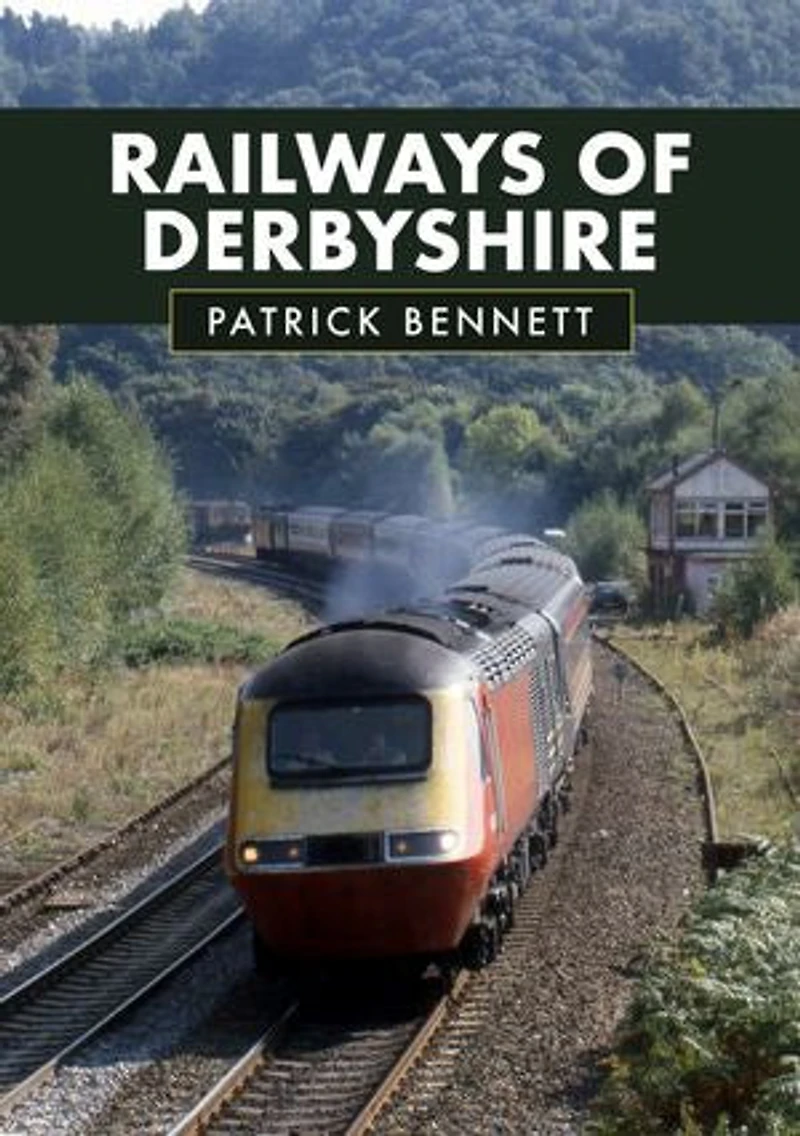
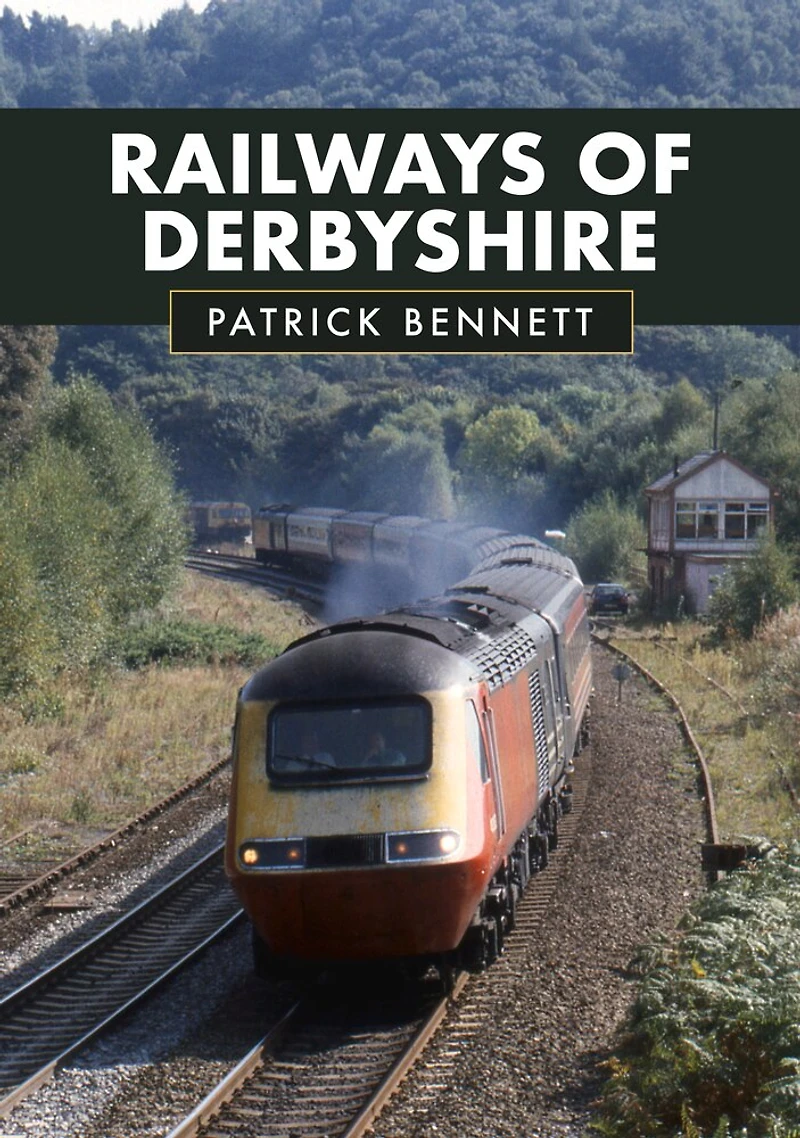
Railways of Derbyshire in Brampton, ON
Current price: $17.99
Original price: $22.40
Coles
Railways of Derbyshire in Brampton, ON
Current price: $17.99
Original price: $22.40
Loading Inventory...
Size: Kobo eBook
*Product information and pricing may vary - to confirm current pricing, availability, shipping, and return information please contact Coles. In the event of a pricing discrepancy, the retailer's price will apply.
Derbyshire is a county of contrasts, and the development of the railways reflect this. In Limestone Country in the west the LNW held sway with its railways from Ashbourne and Cromford to Buxton involved in the extraction of limestone. Meanwhile, in the east of the county, no fewer than four different companies fought over the lucrative business of coal carrying in the huge North Midlands Coalfield. From the historic railway town of Derby, the Midland Railway had routes south to London, west to Birmingham and north to Sheffield. In the north of the county was the MR’s Hope Valley route, which included two of the longest tunnels in Britain. Further north still was the Great Central’s Woodhead route carving its way through the gritstone. Altogether no fewer than six railway companies were represented in the county, including the Great Northern penetrating from the east, the North Staffordshire in the south-west and the Lancashire, Derbyshire & East Coast Railway with its transversal Chesterfield–Lincoln line. A complex but fascinating story, told using previously unpublished photographs, this book charts the development of the county’s railways from the earliest days.
Derbyshire is a county of contrasts, and the development of the railways reflect this. In Limestone Country in the west the LNW held sway with its railways from Ashbourne and Cromford to Buxton involved in the extraction of limestone. Meanwhile, in the east of the county, no fewer than four different companies fought over the lucrative business of coal carrying in the huge North Midlands Coalfield. From the historic railway town of Derby, the Midland Railway had routes south to London, west to Birmingham and north to Sheffield. In the north of the county was the MR’s Hope Valley route, which included two of the longest tunnels in Britain. Further north still was the Great Central’s Woodhead route carving its way through the gritstone. Altogether no fewer than six railway companies were represented in the county, including the Great Northern penetrating from the east, the North Staffordshire in the south-west and the Lancashire, Derbyshire & East Coast Railway with its transversal Chesterfield–Lincoln line. A complex but fascinating story, told using previously unpublished photographs, this book charts the development of the county’s railways from the earliest days.









Find at Bramalea City Centre in Brampton, ON
Visit at Bramalea City Centre in Brampton, ON