



Gifting Made Simple
Give the Gift of ChoiceClick below to purchase a Bramalea City Centre eGift Card that can be used at participating retailers at Bramalea City Centre.Purchase HereHome
Quine, Conceptual Pragmatism, and the Analytic-Synthetic Distinction
Coles
Loading Inventory...
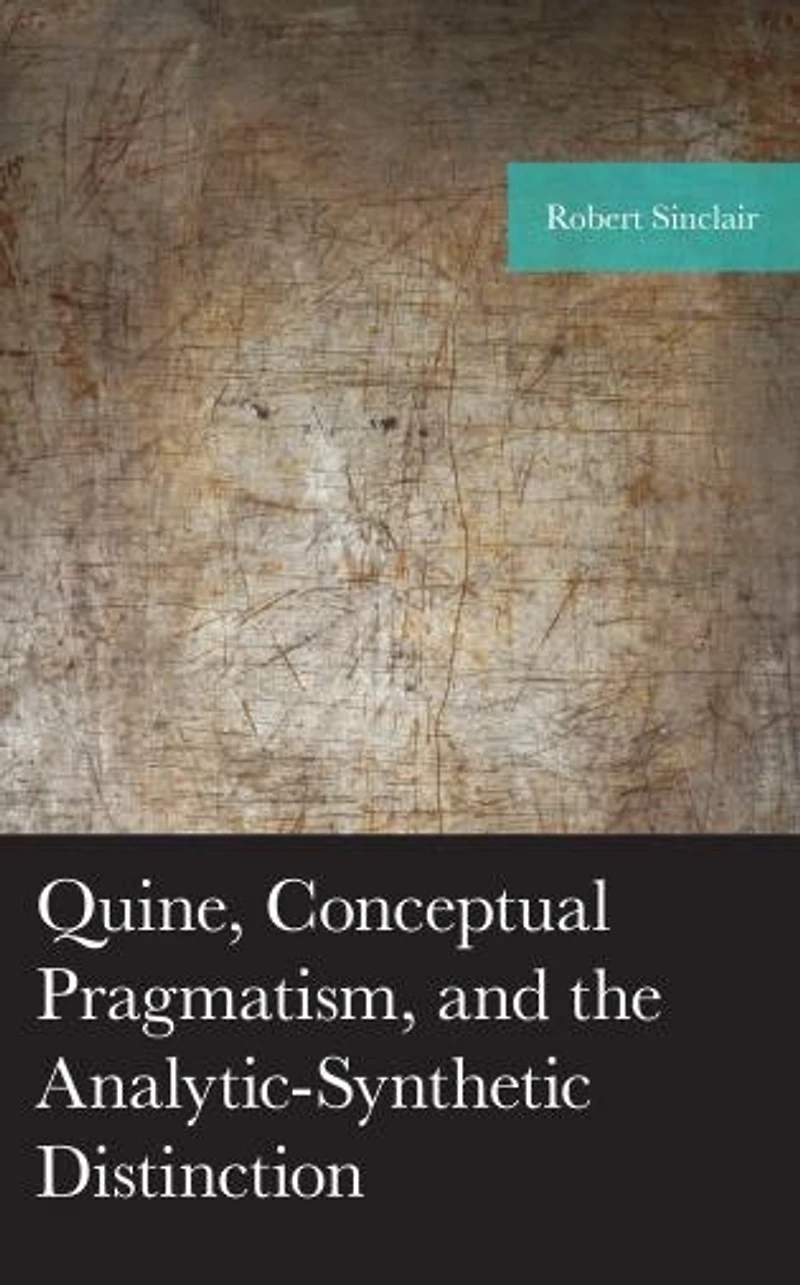
Quine, Conceptual Pragmatism, and the Analytic-Synthetic Distinction in Brampton, ON
Current price: $160.95
Coles
Quine, Conceptual Pragmatism, and the Analytic-Synthetic Distinction in Brampton, ON
Current price: $160.95
Loading Inventory...
Size: Hardcover
*Product information and pricing may vary - to confirm current pricing, availability, shipping, and return information please contact Coles. In the event of a pricing discrepancy, the retailer's price will apply.
W. V. Quine's occasional references to his 'pragmatism' have often been interpreted as suggesting a possible link to the American Pragmatism of Peirce, James, and Dewey. Quine, Conceptual Pragmatism, and the Analytic-Synthetic Distinction argues that the influence of pragmatism on Quine's philosophy is more accurately traced to his teacher C.I. Lewis and his conceptual pragmatism from Mind and the World Order, and his later An Analysis of Knowledge and Valuation. Quine's epistemological views share many affinities with Lewis's conceptual pragmatism, where knowledge is conceived as a conceptual framework pragmatically revised in light of what future experience reveals. Robert Sinclair further defends and elaborates on this claim by showing how Lewis's influence can be seen in several key episodes in Quine's philosophical development. This not only highlights a forgotten element of the epistemological backdrop to Quine's mid-century criticism of the analytic-synthetic distinction, but Sinclair further argues that it provides the central epistemological framework for the form and content of Quine's later naturalized conception of epistemology.
W. V. Quine's occasional references to his 'pragmatism' have often been interpreted as suggesting a possible link to the American Pragmatism of Peirce, James, and Dewey. Quine, Conceptual Pragmatism, and the Analytic-Synthetic Distinction argues that the influence of pragmatism on Quine's philosophy is more accurately traced to his teacher C.I. Lewis and his conceptual pragmatism from Mind and the World Order, and his later An Analysis of Knowledge and Valuation. Quine's epistemological views share many affinities with Lewis's conceptual pragmatism, where knowledge is conceived as a conceptual framework pragmatically revised in light of what future experience reveals. Robert Sinclair further defends and elaborates on this claim by showing how Lewis's influence can be seen in several key episodes in Quine's philosophical development. This not only highlights a forgotten element of the epistemological backdrop to Quine's mid-century criticism of the analytic-synthetic distinction, but Sinclair further argues that it provides the central epistemological framework for the form and content of Quine's later naturalized conception of epistemology.
You May Also Like









Find at Bramalea City Centre in Brampton, ON
Visit at Bramalea City Centre in Brampton, ON