



Gifting Made Simple
Give the Gift of ChoiceClick below to purchase a Bramalea City Centre eGift Card that can be used at participating retailers at Bramalea City Centre.Purchase HereHome
Psychiatry and Decolonisation in Uganda
Coles
Loading Inventory...
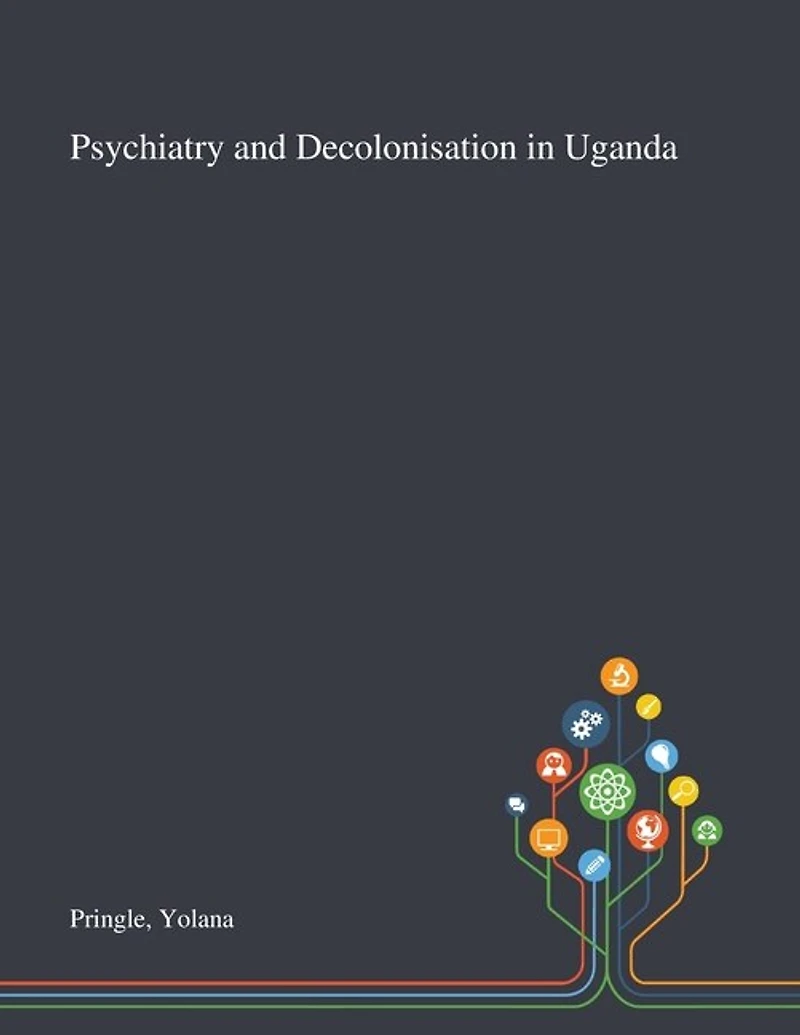
Psychiatry and Decolonisation in Uganda in Brampton, ON
Current price: $55.93
Coles
Psychiatry and Decolonisation in Uganda in Brampton, ON
Current price: $55.93
Loading Inventory...
Size: Paperback
*Product information and pricing may vary - to confirm current pricing, availability, shipping, and return information please contact Coles. In the event of a pricing discrepancy, the retailer's price will apply.
This open access book investigates psychiatry in Uganda during the years of decolonisation. It examines the challenges facing a new generation of psychiatrists as they took over responsibility for psychiatry at the end of empire, and explores the ways psychiatric practices were tied to shifting political and development priorities, periods of instability, and a broader context of transnational and international exchange. At its heart is a question that has concerned psychiatrists globally since the mid-twentieth century: how to bridge the social and cultural gap between psychiatry and its patients? Bringing together archival research with oral histories, Yolana Pringle traces how this question came to dominate both national and international discussions on mental health care reform, including at the World Health Organization, and helped spur a culture of experimentation and creativity globally. As Pringle shows, however, the history of psychiatry during the years of decolonisation remained one of marginality, and ultimately, in the context of war and violence, the decolonisation of psychiatry was incomplete. This work was published by Saint Philip Street Press pursuant to a Creative Commons license permitting commercial use. All rights not granted by the work's license are retained by the author or authors.
This open access book investigates psychiatry in Uganda during the years of decolonisation. It examines the challenges facing a new generation of psychiatrists as they took over responsibility for psychiatry at the end of empire, and explores the ways psychiatric practices were tied to shifting political and development priorities, periods of instability, and a broader context of transnational and international exchange. At its heart is a question that has concerned psychiatrists globally since the mid-twentieth century: how to bridge the social and cultural gap between psychiatry and its patients? Bringing together archival research with oral histories, Yolana Pringle traces how this question came to dominate both national and international discussions on mental health care reform, including at the World Health Organization, and helped spur a culture of experimentation and creativity globally. As Pringle shows, however, the history of psychiatry during the years of decolonisation remained one of marginality, and ultimately, in the context of war and violence, the decolonisation of psychiatry was incomplete. This work was published by Saint Philip Street Press pursuant to a Creative Commons license permitting commercial use. All rights not granted by the work's license are retained by the author or authors.
You May Also Like













Find at Bramalea City Centre in Brampton, ON
Visit at Bramalea City Centre in Brampton, ON