



Gifting Made Simple
Give the Gift of ChoiceClick below to purchase a Bramalea City Centre eGift Card that can be used at participating retailers at Bramalea City Centre.Purchase HereHome
Property, Predation, and Protection: Piranha Capitalism Russia Ukraine
Coles
Loading Inventory...
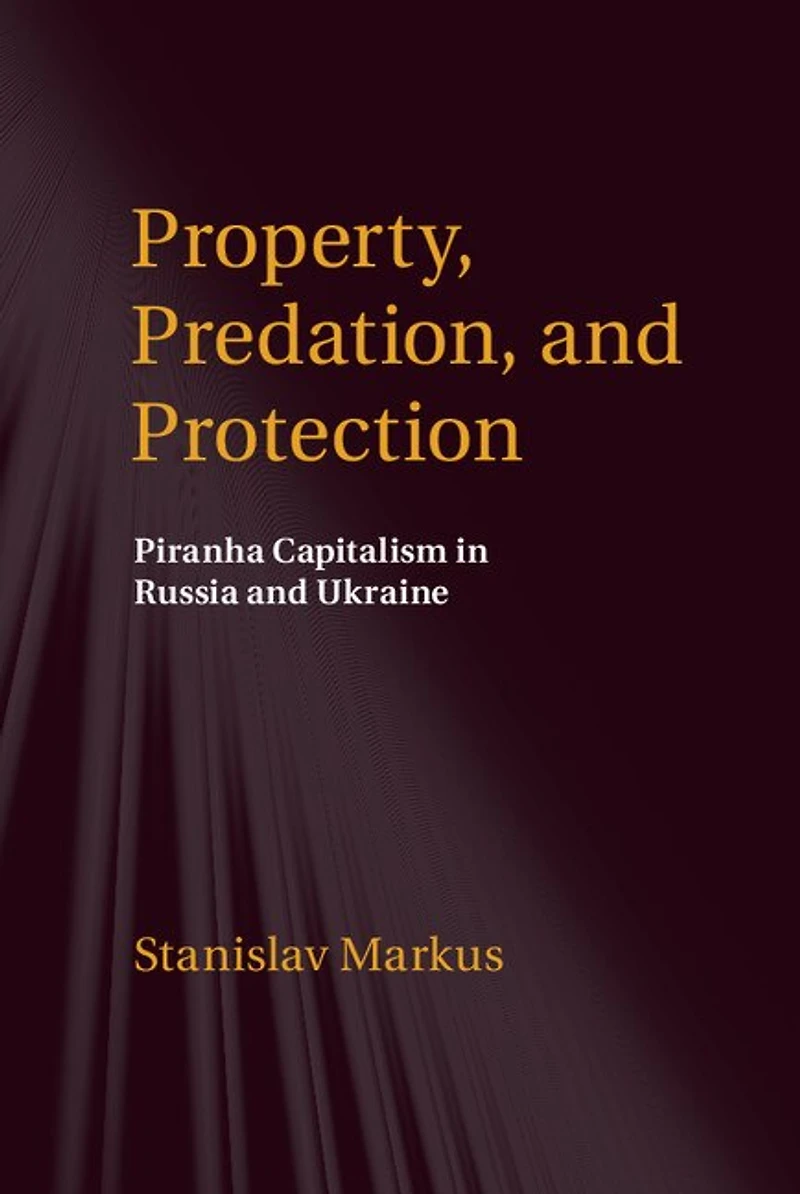
Property, Predation, and Protection: Piranha Capitalism Russia Ukraine in Brampton, ON
Current price: $146.95
Coles
Property, Predation, and Protection: Piranha Capitalism Russia Ukraine in Brampton, ON
Current price: $146.95
Loading Inventory...
Size: Hardcover
*Product information and pricing may vary - to confirm current pricing, availability, shipping, and return information please contact Coles. In the event of a pricing discrepancy, the retailer's price will apply.
What threatens the property rights of business owners – and what makes these rights secure? This book transcends the conventional diagnosis of the issue in modern developing countries by moving beyond expropriation by the state ruler or by petty bureaucratic corruption. It identifies “agent predation” as a novel threat type, showing it to be particularly widespread and detrimental. The book also questions the orthodox prescription: institutionalized state commitment cannot secure property rights against agent predation. Instead, this volume argues that business actors can hold the predatory state agents accountable through firm-level alliances with foreign actors, labor, and local communities. Beyond securing ownership, such alliances promote rule of law in a rent-seeking society. Taking Russia and Ukraine between 2000 and 2012 as its empirical focus, the book advances these arguments by drawing on more than 150 qualitative interviews with business owners, policy makers, and bureaucrats, as well as an original large-N survey of firms.
What threatens the property rights of business owners – and what makes these rights secure? This book transcends the conventional diagnosis of the issue in modern developing countries by moving beyond expropriation by the state ruler or by petty bureaucratic corruption. It identifies “agent predation” as a novel threat type, showing it to be particularly widespread and detrimental. The book also questions the orthodox prescription: institutionalized state commitment cannot secure property rights against agent predation. Instead, this volume argues that business actors can hold the predatory state agents accountable through firm-level alliances with foreign actors, labor, and local communities. Beyond securing ownership, such alliances promote rule of law in a rent-seeking society. Taking Russia and Ukraine between 2000 and 2012 as its empirical focus, the book advances these arguments by drawing on more than 150 qualitative interviews with business owners, policy makers, and bureaucrats, as well as an original large-N survey of firms.
You May Also Like









Find at Bramalea City Centre in Brampton, ON
Visit at Bramalea City Centre in Brampton, ON