



Gifting Made Simple
Give the Gift of ChoiceClick below to purchase a Bramalea City Centre eGift Card that can be used at participating retailers at Bramalea City Centre.Purchase HereHome
Property and Riches in the Early Church
Coles
Loading Inventory...
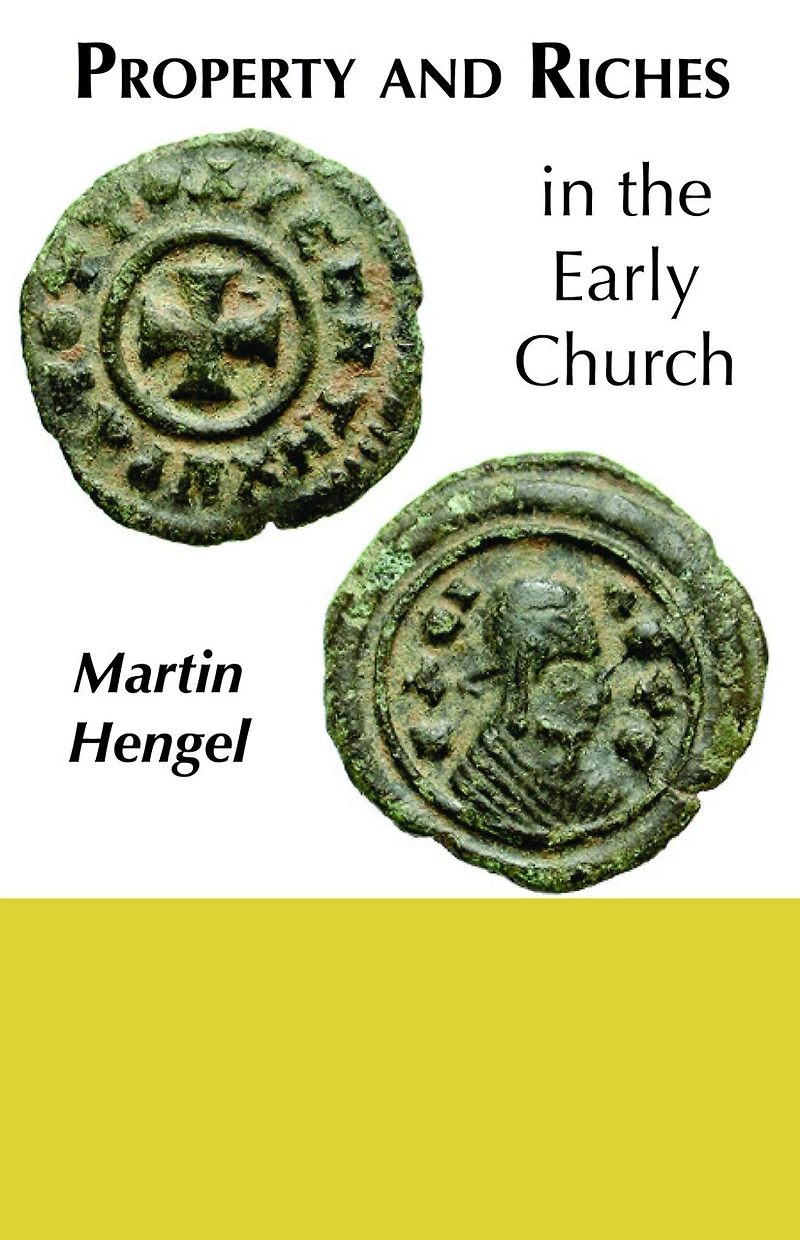
Property and Riches in the Early Church in Brampton, ON
Current price: $20.97
Coles
Property and Riches in the Early Church in Brampton, ON
Current price: $20.97
Loading Inventory...
Size: Paperback
*Product information and pricing may vary - to confirm current pricing, availability, shipping, and return information please contact Coles. In the event of a pricing discrepancy, the retailer's price will apply.
What should be the Christian attitude toward money and possessions? Have our own possessions left us blind to the utopian vision of the first Christians? Is anything short of a complete renunciation of possessions a compromise with Christian teaching? In this brief and lucid study, esteemed New Testament scholar and historian Martin Hengel examines the views of property and riches to be found in the teachings of Jesus, the early Christian communities, and the church fathers down to the fourth century. He compares Christian ideals with those to be found in Judaism and ancient philosophy, and sets what was taught alongside what was achieved in practice. A final chapter summarizes the relevance of these findings for Christianity today, and an annotated reading list indicates suggestions for further study.
What should be the Christian attitude toward money and possessions? Have our own possessions left us blind to the utopian vision of the first Christians? Is anything short of a complete renunciation of possessions a compromise with Christian teaching? In this brief and lucid study, esteemed New Testament scholar and historian Martin Hengel examines the views of property and riches to be found in the teachings of Jesus, the early Christian communities, and the church fathers down to the fourth century. He compares Christian ideals with those to be found in Judaism and ancient philosophy, and sets what was taught alongside what was achieved in practice. A final chapter summarizes the relevance of these findings for Christianity today, and an annotated reading list indicates suggestions for further study.
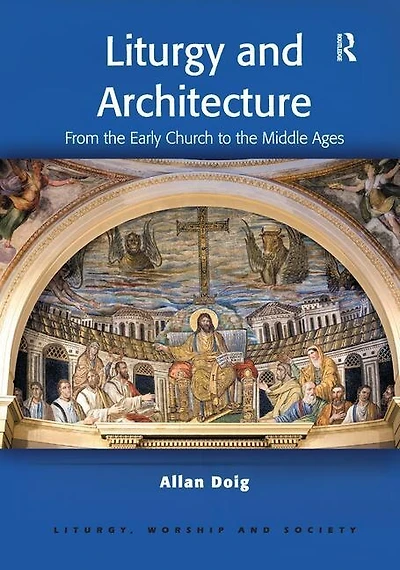
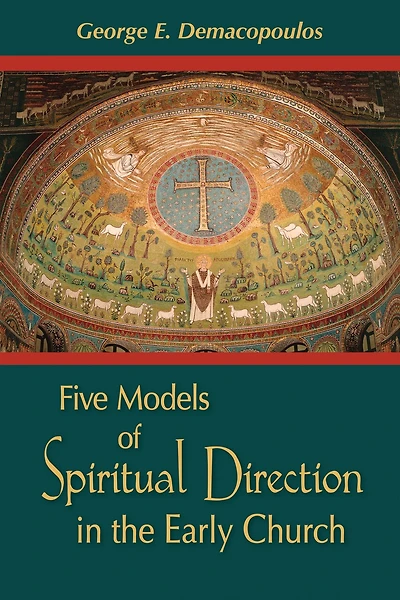
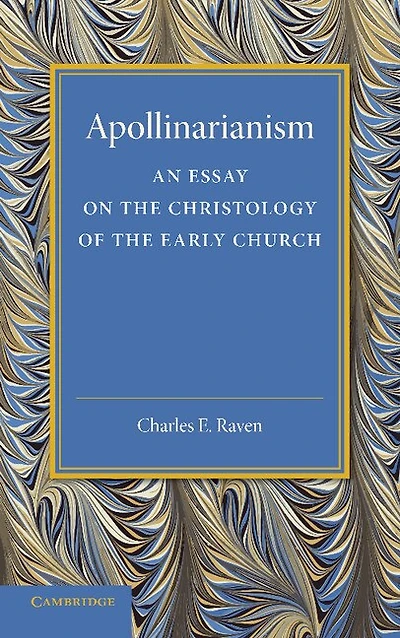









Find at Bramalea City Centre in Brampton, ON
Visit at Bramalea City Centre in Brampton, ON