



Gifting Made Simple
Give the Gift of ChoiceClick below to purchase a Bramalea City Centre eGift Card that can be used at participating retailers at Bramalea City Centre.Purchase HereHome
Property and Dispossession: Natives, Empires Land Early Modern North America
Coles
Loading Inventory...
Property and Dispossession: Natives, Empires Land Early Modern North America in Brampton, ON
Current price: $160.95
Coles
Property and Dispossession: Natives, Empires Land Early Modern North America in Brampton, ON
Current price: $160.95
Loading Inventory...
Size: Hardcover
*Product information and pricing may vary - to confirm current pricing, availability, shipping, and return information please contact Coles. In the event of a pricing discrepancy, the retailer's price will apply.
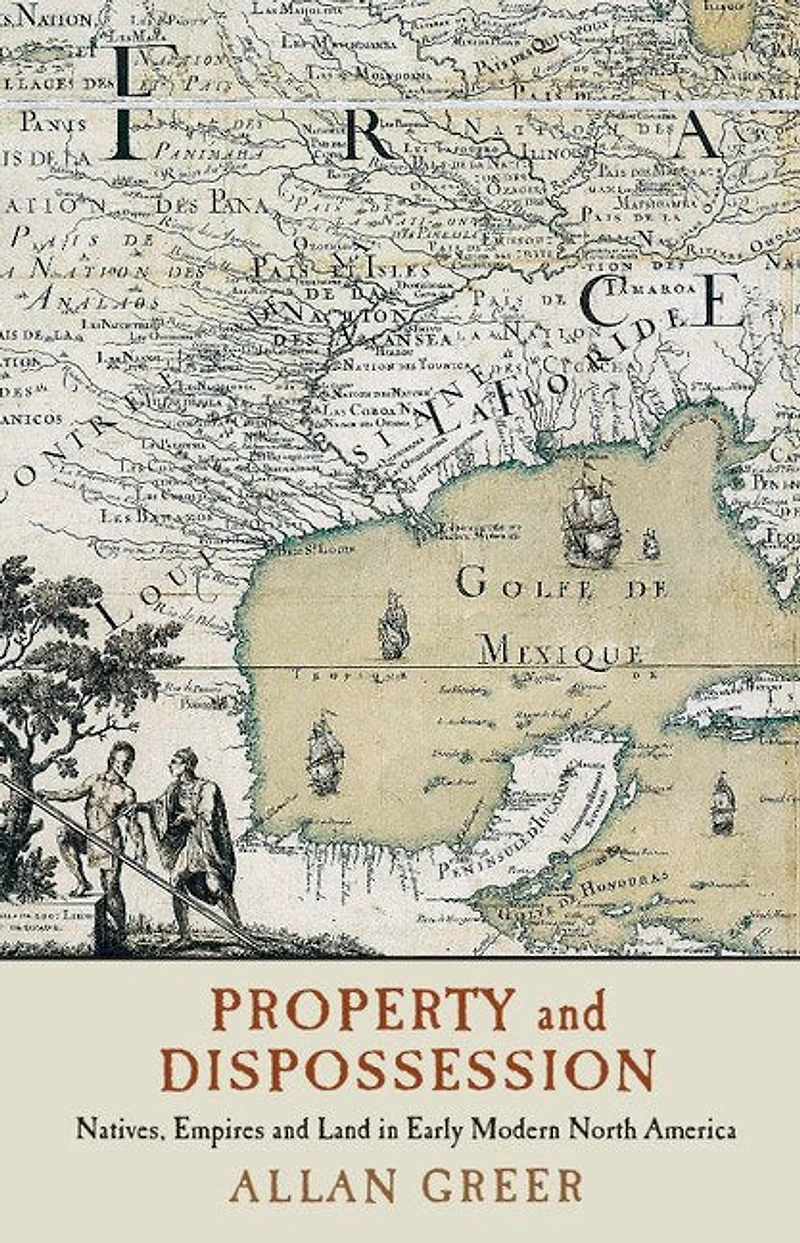
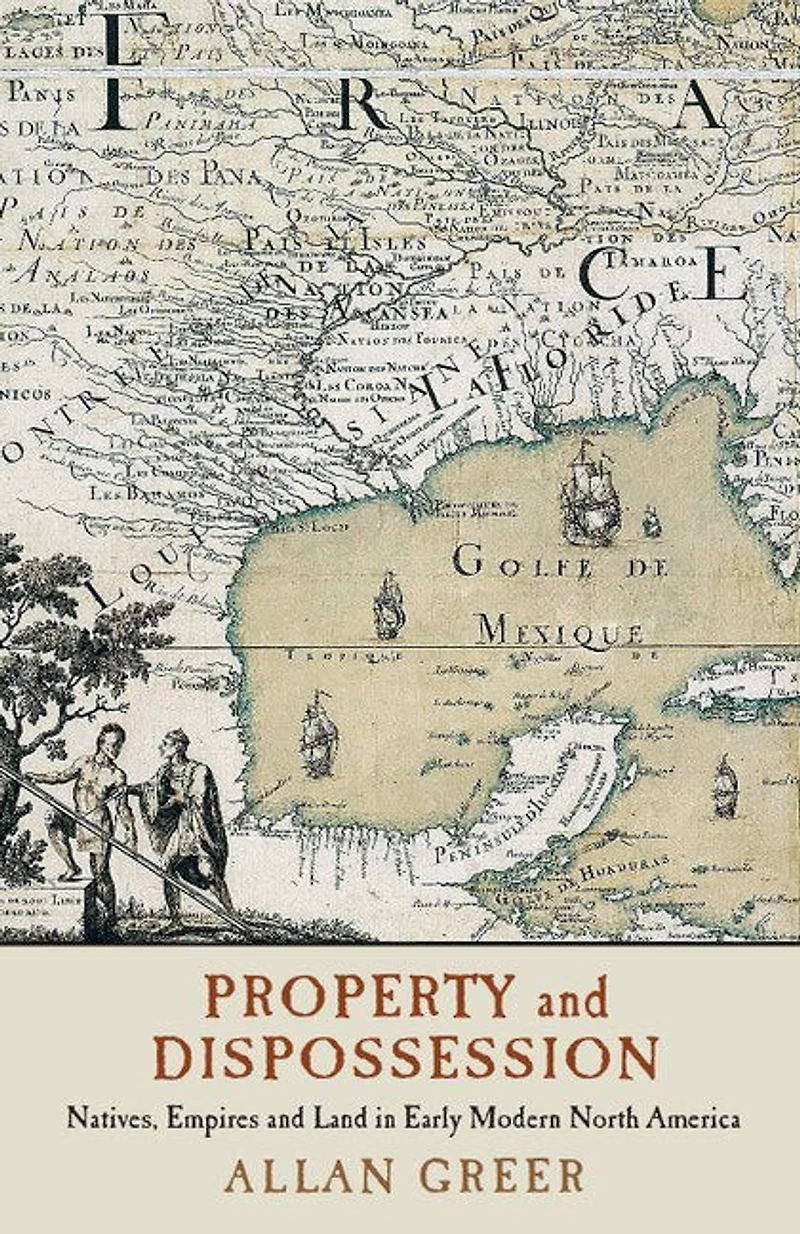
Allan Greer examines the processes by which forms of land tenure emerged and natives were dispossessed from the sixteenth to the eighteenth centuries in New France (Canada), New Spain (Mexico), and New England. By focusing on land, territory, and property, he deploys the concept of 'property formation' to consider the ways in which Europeans and their Euro-American descendants remade New World space as they laid claim to the continent's resources, extended the reach of empire, and established states and jurisdictions for themselves. Challenging long-held, binary assumptions of property as a single entity, which various groups did or did not possess, Greer highlights the diversity of indigenous and Euro-American property systems in the early modern period. The book's geographic scope, comparative dimension, and placement of indigenous people on an equal plane with Europeans makes it unlike any previous study of early colonization and contact in the Americas.
Allan Greer examines the processes by which forms of land tenure emerged and natives were dispossessed from the sixteenth to the eighteenth centuries in New France (Canada), New Spain (Mexico), and New England. By focusing on land, territory, and property, he deploys the concept of 'property formation' to consider the ways in which Europeans and their Euro-American descendants remade New World space as they laid claim to the continent's resources, extended the reach of empire, and established states and jurisdictions for themselves. Challenging long-held, binary assumptions of property as a single entity, which various groups did or did not possess, Greer highlights the diversity of indigenous and Euro-American property systems in the early modern period. The book's geographic scope, comparative dimension, and placement of indigenous people on an equal plane with Europeans makes it unlike any previous study of early colonization and contact in the Americas.
You May Also Like








Find at Bramalea City Centre in Brampton, ON
Visit at Bramalea City Centre in Brampton, ON