



Gifting Made Simple
Give the Gift of ChoiceClick below to purchase a Bramalea City Centre eGift Card that can be used at participating retailers at Bramalea City Centre.Purchase HereHome
Principles of Engineering Thermodynamics
Coles
Loading Inventory...
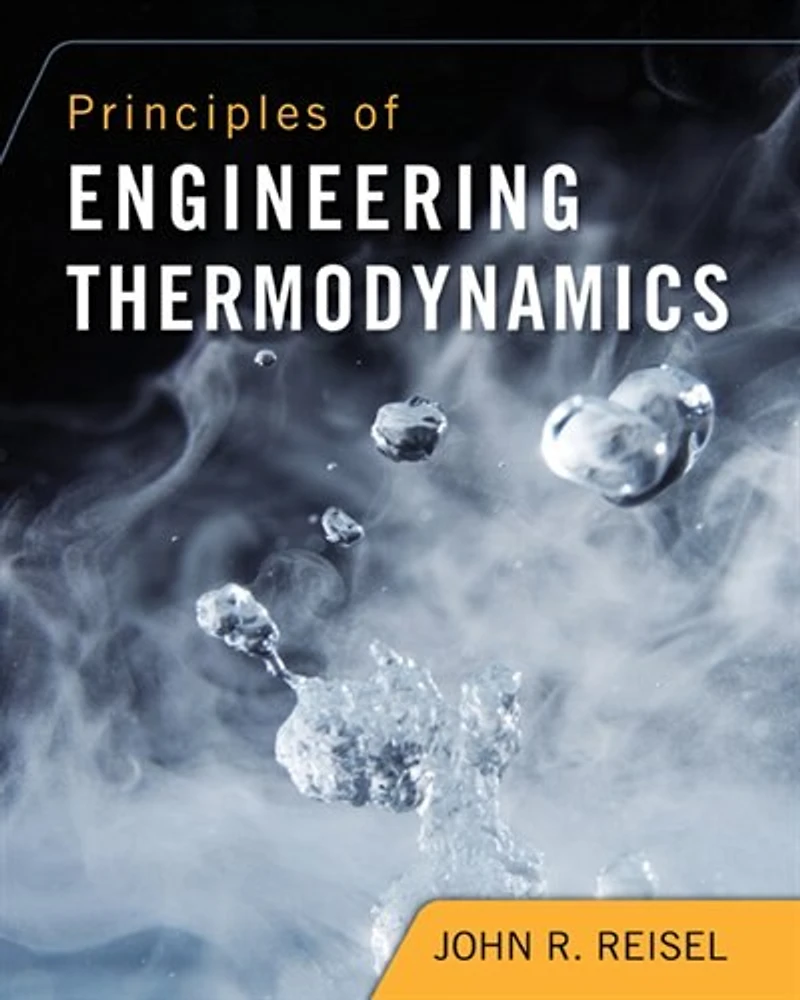
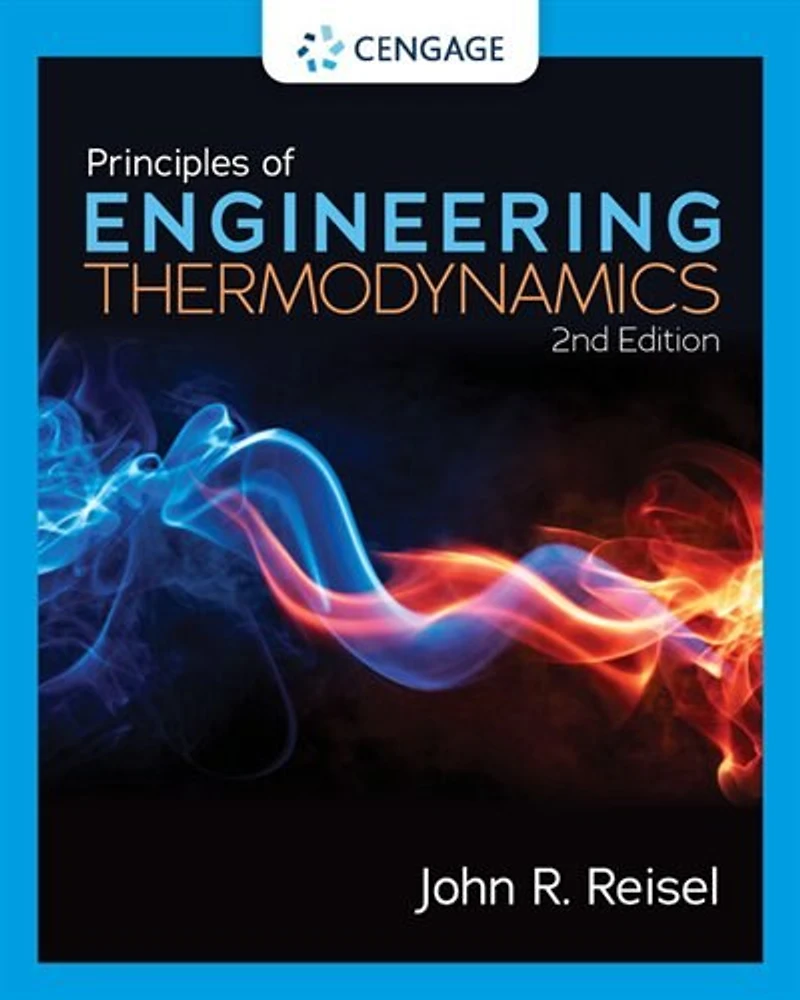
Principles of Engineering Thermodynamics in Brampton, ON
Current price: $197.95
Coles
Principles of Engineering Thermodynamics in Brampton, ON
Current price: $197.95
Loading Inventory...
Size: Hardcover (2015)
*Product information and pricing may vary - to confirm current pricing, availability, shipping, and return information please contact Coles. In the event of a pricing discrepancy, the retailer's price will apply.
Master the fundamentals of thermodynamics and learn how to apply these skills in engineering practice today with Reisel's PRINCIPLES OF ENGINEERING THERMODYNAMICS, 2nd Edition. This edition's informal, first-person writing style helps make abstract concepts easier to understand. In addition to mastering fundamental principles and applications, you explore the impact of different system parameters on the performance of devices and processes. For example, you study how changing outlet pressure in a turbine changes the power produced or how the power requirement of a compressor varies with inlet temperature. This unique approach strengthens your understanding of how different components of thermodynamics interrelate, while demonstrating how you will use thermodynamics in your engineering career. You also learn to develop computer-based models of devices, processes and cycles as well as use internet-based programs and computer apps to find thermodynamic data, exactly like today's practicing engineers.
Master the fundamentals of thermodynamics and learn how to apply these skills in engineering practice today with Reisel's PRINCIPLES OF ENGINEERING THERMODYNAMICS, 2nd Edition. This edition's informal, first-person writing style helps make abstract concepts easier to understand. In addition to mastering fundamental principles and applications, you explore the impact of different system parameters on the performance of devices and processes. For example, you study how changing outlet pressure in a turbine changes the power produced or how the power requirement of a compressor varies with inlet temperature. This unique approach strengthens your understanding of how different components of thermodynamics interrelate, while demonstrating how you will use thermodynamics in your engineering career. You also learn to develop computer-based models of devices, processes and cycles as well as use internet-based programs and computer apps to find thermodynamic data, exactly like today's practicing engineers.
You May Also Like

















Find at Bramalea City Centre in Brampton, ON
Visit at Bramalea City Centre in Brampton, ON