



Gifting Made Simple
Give the Gift of ChoiceClick below to purchase a Bramalea City Centre eGift Card that can be used at participating retailers at Bramalea City Centre.Purchase HereHome
Politicized Physics Seventeenth-Century Philosophy: Essays on Bacon, Descartes, Hobbes, and Spinoza
Coles
Loading Inventory...
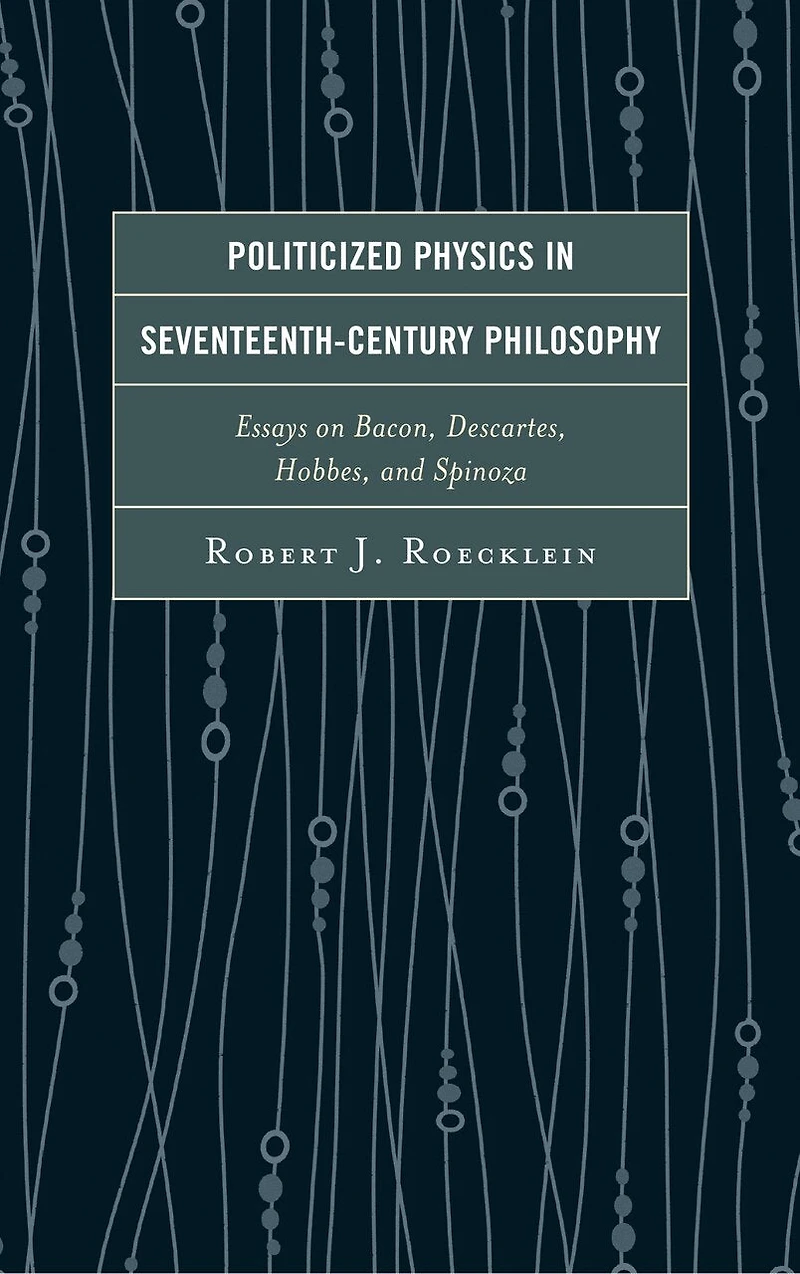
Politicized Physics Seventeenth-Century Philosophy: Essays on Bacon, Descartes, Hobbes, and Spinoza in Brampton, ON
Current price: $185.00
Coles
Politicized Physics Seventeenth-Century Philosophy: Essays on Bacon, Descartes, Hobbes, and Spinoza in Brampton, ON
Current price: $185.00
Loading Inventory...
Size: Hardcover
*Product information and pricing may vary - to confirm current pricing, availability, shipping, and return information please contact Coles. In the event of a pricing discrepancy, the retailer's price will apply.
In the origins of Western philosophical thought, doctrines of physics intertwined with the debate between political philosophers. It is for this reason that Plato devoted his dialogues Theatetus and Parmenides to investigating and meeting the arguments of his principal philosophical adversaries. The doctrine of atomism, which developed under the influence of Parmenides' philosophy, is one that Plato refutes directly. In the modern era of philosophy and science, a revived doctrine of atomism has been treated as apolitical. Atomistic postulates lay at the root of the doctrines of Early Modern philosophers and exert a great influence upon cultural and political teachings. In order to understand Early Modern Philosophy, therefore, and especially in order to examine Early Modern political science, one must address the atomistic theory of body which lies at the root of Early Modern metaphysics. In the metaphysical domain, or in the domain of natural philosophy, the Early Modern philosophers radically reduce the role that ordinary opinion may play in political and cultural life. The majestic declarations concerning the rights of man, and the gospel of utility characteristic of the political domain of Early Modernity, therefore conceal a shrunken influence fated for the demos in the new politics. In order to take the measure of the new political science, it is necessary to take the measure of the revived doctrines of atomism. If these doctrines can be disproved, by reviving Plato's critique, we will be able to take a critical look at the political doctrines that lie upon the foundations of the politicized atomism.
In the origins of Western philosophical thought, doctrines of physics intertwined with the debate between political philosophers. It is for this reason that Plato devoted his dialogues Theatetus and Parmenides to investigating and meeting the arguments of his principal philosophical adversaries. The doctrine of atomism, which developed under the influence of Parmenides' philosophy, is one that Plato refutes directly. In the modern era of philosophy and science, a revived doctrine of atomism has been treated as apolitical. Atomistic postulates lay at the root of the doctrines of Early Modern philosophers and exert a great influence upon cultural and political teachings. In order to understand Early Modern Philosophy, therefore, and especially in order to examine Early Modern political science, one must address the atomistic theory of body which lies at the root of Early Modern metaphysics. In the metaphysical domain, or in the domain of natural philosophy, the Early Modern philosophers radically reduce the role that ordinary opinion may play in political and cultural life. The majestic declarations concerning the rights of man, and the gospel of utility characteristic of the political domain of Early Modernity, therefore conceal a shrunken influence fated for the demos in the new politics. In order to take the measure of the new political science, it is necessary to take the measure of the revived doctrines of atomism. If these doctrines can be disproved, by reviving Plato's critique, we will be able to take a critical look at the political doctrines that lie upon the foundations of the politicized atomism.
You May Also Like













Find at Bramalea City Centre in Brampton, ON
Visit at Bramalea City Centre in Brampton, ON