



Gifting Made Simple
Give the Gift of ChoiceClick below to purchase a Bramalea City Centre eGift Card that can be used at participating retailers at Bramalea City Centre.Purchase HereHome
Poetry General: How a Literary Form Became Public
Coles
Loading Inventory...
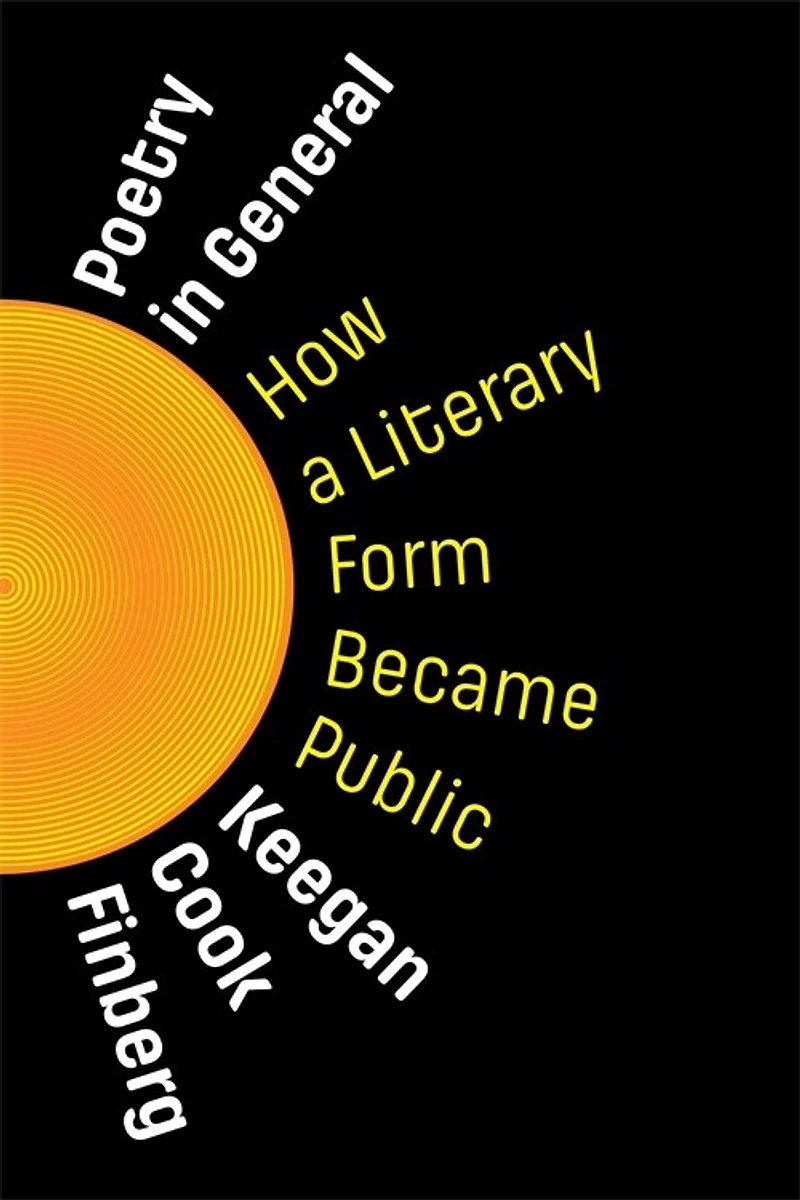
Poetry General: How a Literary Form Became Public in Brampton, ON
Current price: $182.00
Coles
Poetry General: How a Literary Form Became Public in Brampton, ON
Current price: $182.00
Loading Inventory...
Size: Hardcover
*Product information and pricing may vary - to confirm current pricing, availability, shipping, and return information please contact Coles. In the event of a pricing discrepancy, the retailer's price will apply.
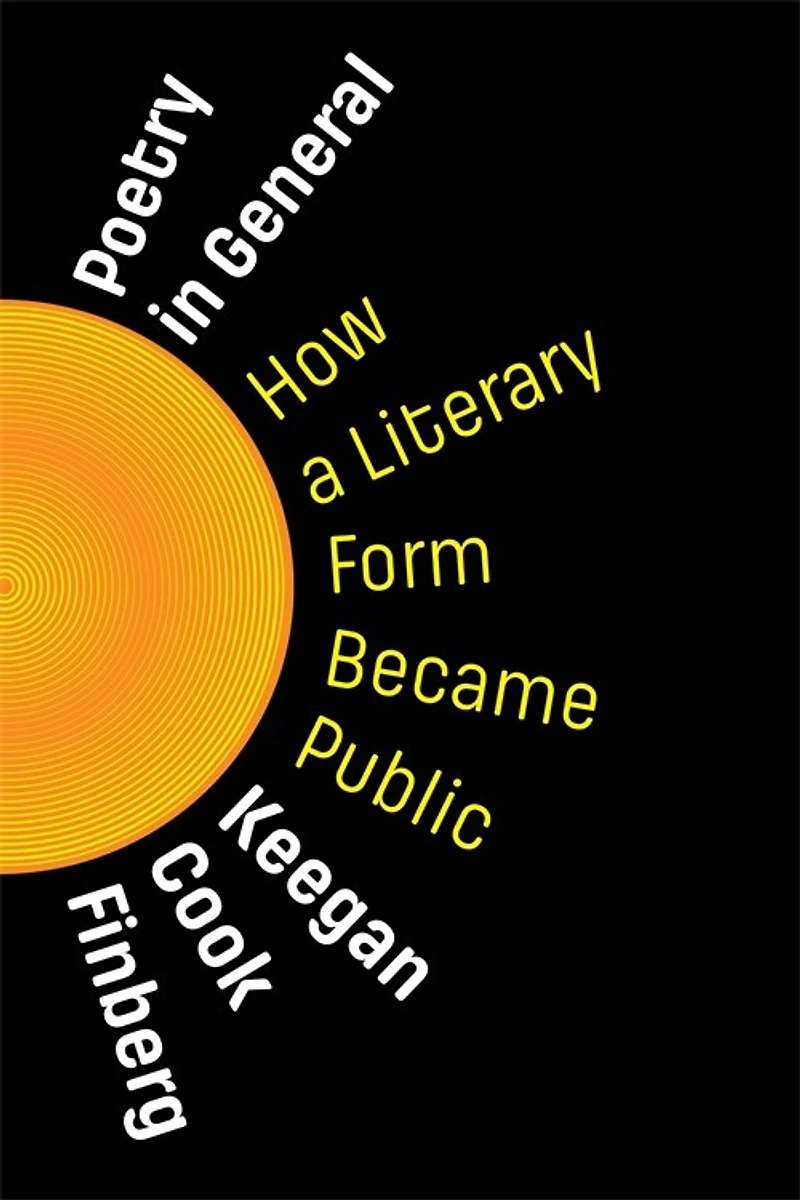
In the second half of the twentieth century, poetry leapt out of books and became an interdisciplinary public form. Poetry entered bureaucratic systems of organization like index card catalogues; it pushed the boundaries of privately owned public parks. Keegan Cook Finberg argues that poetry became an increasingly capacious force during this period because it could speak directly to the degradation of the social-democratic notion of the public.
Poetry in General explores how poets expanded their practice into the realms of politics, work, and everyday life from 1960 to the present, from the apex of the welfare state to an era of privatization and austerity. It considers a compelling array of figures—including Yoko Ono, George Brecht, Frank O’Hara, Amiri Baraka, Bernadette Mayer, Eleanor Antin, Adrian Piper, and M. NourbeSe Philip—whose works draw on conceptual techniques to transform official documents and spaces. Finberg shows how these public texts expose the mechanisms of the neoliberal consensus about work and leisure, the state’s facilitation of capitalism, and enduring racial and gender inequities. She also provides politically charged ways to interpret and critique racial capitalism, antiabortion legislation, and mass debt. A new literary and institutional history of postwar poetics, this book shows how poetic experiments address the privatization of collective life and rethink the category of the public.
In the second half of the twentieth century, poetry leapt out of books and became an interdisciplinary public form. Poetry entered bureaucratic systems of organization like index card catalogues; it pushed the boundaries of privately owned public parks. Keegan Cook Finberg argues that poetry became an increasingly capacious force during this period because it could speak directly to the degradation of the social-democratic notion of the public.
Poetry in General explores how poets expanded their practice into the realms of politics, work, and everyday life from 1960 to the present, from the apex of the welfare state to an era of privatization and austerity. It considers a compelling array of figures—including Yoko Ono, George Brecht, Frank O’Hara, Amiri Baraka, Bernadette Mayer, Eleanor Antin, Adrian Piper, and M. NourbeSe Philip—whose works draw on conceptual techniques to transform official documents and spaces. Finberg shows how these public texts expose the mechanisms of the neoliberal consensus about work and leisure, the state’s facilitation of capitalism, and enduring racial and gender inequities. She also provides politically charged ways to interpret and critique racial capitalism, antiabortion legislation, and mass debt. A new literary and institutional history of postwar poetics, this book shows how poetic experiments address the privatization of collective life and rethink the category of the public.








Find at Bramalea City Centre in Brampton, ON
Visit at Bramalea City Centre in Brampton, ON