



Gifting Made Simple
Give the Gift of ChoiceClick below to purchase a Bramalea City Centre eGift Card that can be used at participating retailers at Bramalea City Centre.Purchase HereHome
Plato's Camera: How The Physical Brain Captures A Landscape Of Abstract Universals
Coles
Loading Inventory...
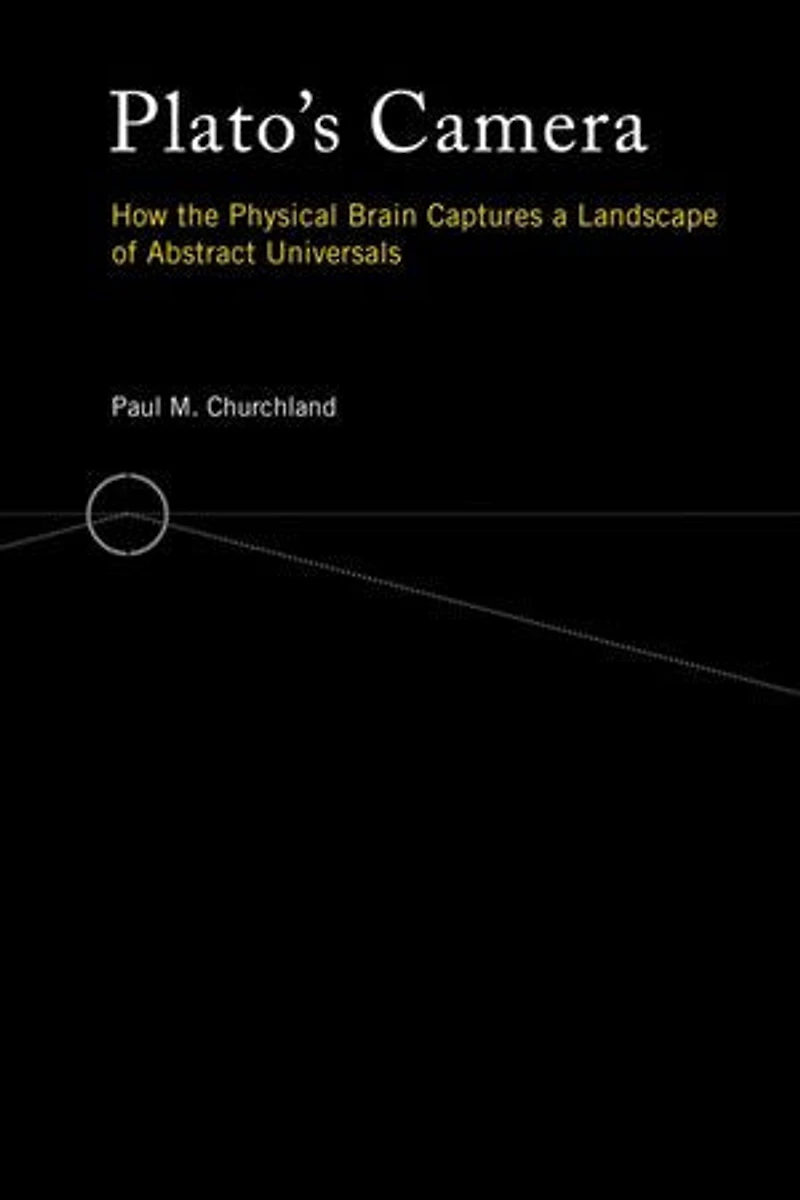
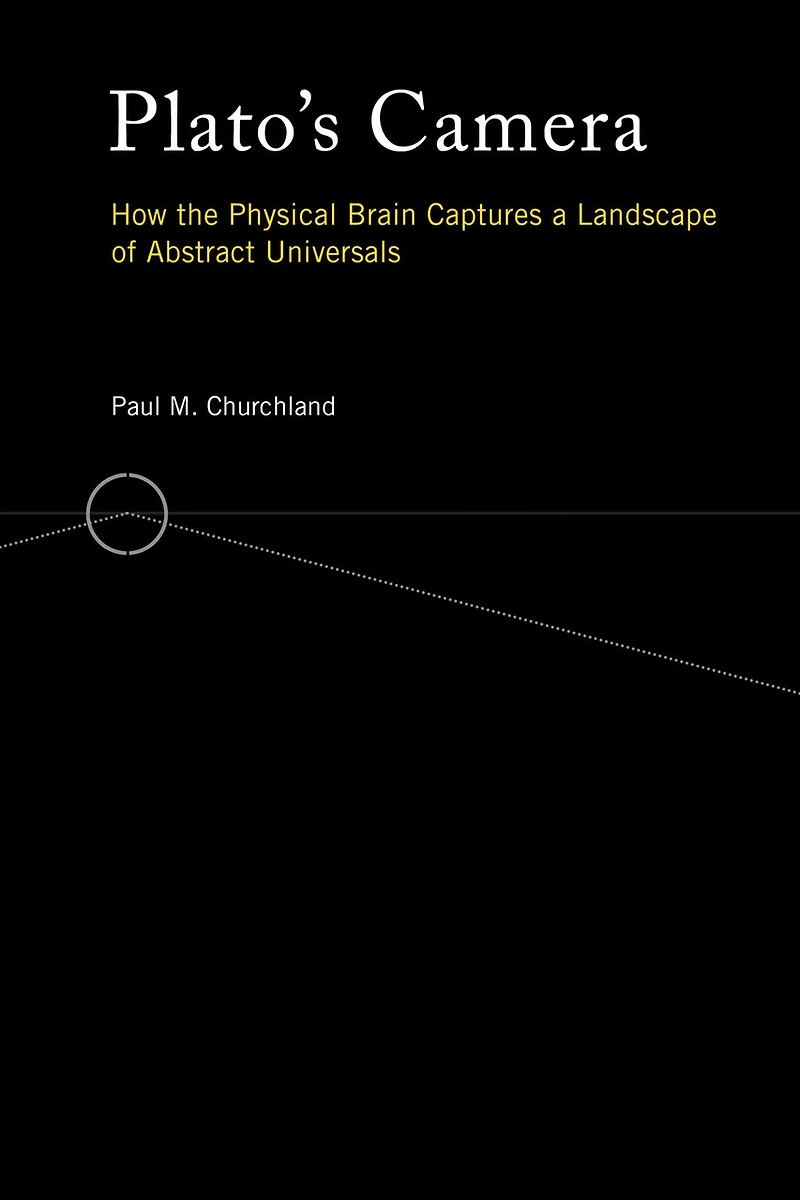
Plato's Camera: How The Physical Brain Captures A Landscape Of Abstract Universals in Brampton, ON
Current price: $31.99
Original price: $39.99
Coles
Plato's Camera: How The Physical Brain Captures A Landscape Of Abstract Universals in Brampton, ON
Current price: $31.99
Original price: $39.99
Loading Inventory...
Size: Kobo eBook
*Product information and pricing may vary - to confirm current pricing, availability, shipping, and return information please contact Coles. In the event of a pricing discrepancy, the retailer's price will apply.
A noted philosopher draws on the empirical results and conceptual resources of cognitive neuroscience to address questions about the nature of knowledge.
In Plato's Camera , eminent philosopher Paul Churchland offers a novel account of how the brain constructs a representation—or "takes a picture"—of the universe's timeless categorical and dynamical structure. This construction process, which begins at birth, yields the enduring background conceptual framework with which we will interpret our sensory experience for the rest of our lives. But, as even Plato knew, to make singular perceptual judgments requires that we possess an antecedent framework of abstract categories to which any perceived particular can be relevantly assimilated. How that background framework is assembled in the first place is the motivating mystery, and the primary target, of Churchland's book.
Unexpectedly, this neurobiologically grounded account of human cognition also provides a systematic story of how such low-level epistemological activities are integrated within an enveloping framework of linguistic structures and regulatory mechanisms at the social level. As Churchland illustrates, this integration of cognitive mechanisms at several levels has launched the human race on an epistemological adventure denied to all other terrestrial creatures.
A noted philosopher draws on the empirical results and conceptual resources of cognitive neuroscience to address questions about the nature of knowledge.
In Plato's Camera , eminent philosopher Paul Churchland offers a novel account of how the brain constructs a representation—or "takes a picture"—of the universe's timeless categorical and dynamical structure. This construction process, which begins at birth, yields the enduring background conceptual framework with which we will interpret our sensory experience for the rest of our lives. But, as even Plato knew, to make singular perceptual judgments requires that we possess an antecedent framework of abstract categories to which any perceived particular can be relevantly assimilated. How that background framework is assembled in the first place is the motivating mystery, and the primary target, of Churchland's book.
Unexpectedly, this neurobiologically grounded account of human cognition also provides a systematic story of how such low-level epistemological activities are integrated within an enveloping framework of linguistic structures and regulatory mechanisms at the social level. As Churchland illustrates, this integration of cognitive mechanisms at several levels has launched the human race on an epistemological adventure denied to all other terrestrial creatures.
You May Also Like

















Find at Bramalea City Centre in Brampton, ON
Visit at Bramalea City Centre in Brampton, ON