



Gifting Made Simple
Give the Gift of ChoiceClick below to purchase a Bramalea City Centre eGift Card that can be used at participating retailers at Bramalea City Centre.Purchase HereHome
Phytoplankton Pigments: Characterization, Chemotaxonomy and Applications in Oceanography
Coles
Loading Inventory...
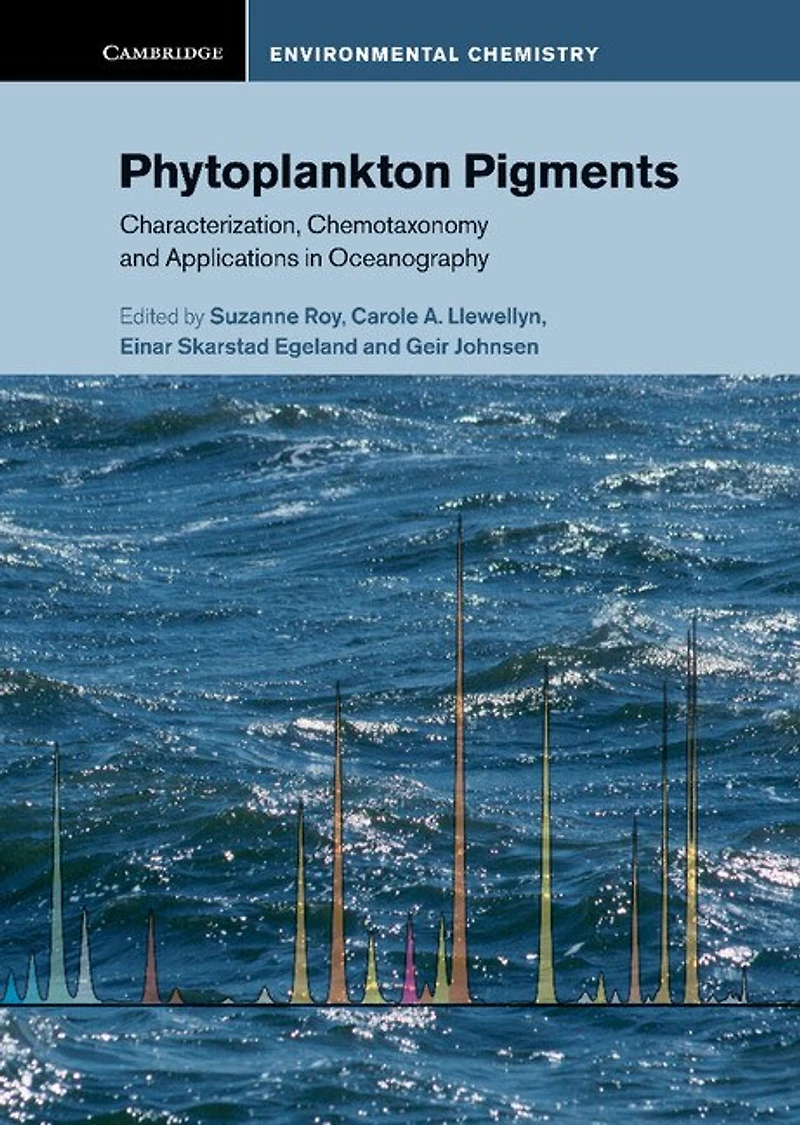
Phytoplankton Pigments: Characterization, Chemotaxonomy and Applications in Oceanography in Brampton, ON
Current price: $261.95
Coles
Phytoplankton Pigments: Characterization, Chemotaxonomy and Applications in Oceanography in Brampton, ON
Current price: $261.95
Loading Inventory...
Size: Hardcover
*Product information and pricing may vary - to confirm current pricing, availability, shipping, and return information please contact Coles. In the event of a pricing discrepancy, the retailer's price will apply.
Pigments act as tracers to elucidate the fate of phytoplankton in the world's oceans and are often associated with important biogeochemical cycles related to carbon dynamics in the oceans. They are increasingly used in in situ and remote-sensing applications, detecting algal biomass and major taxa through changes in water colour. This book is a follow-up to the 1997 volume Phytoplankton Pigments in Oceanography (UNESCO Press). Since then, there have been many advances concerning phytoplankton pigments. This book includes recent discoveries on several new algal classes particularly for the picoplankton, and on new pigments. It also includes many advances in methodologies, including liquid chromatography-mass spectrometry (LC-MS) and developments and updates on the mathematical methods used to exploit pigment information and extract the composition of phytoplankton communities. The book is invaluable primarily as a reference for students, researchers and professionals in aquatic science, biogeochemistry and remote sensing.
Pigments act as tracers to elucidate the fate of phytoplankton in the world's oceans and are often associated with important biogeochemical cycles related to carbon dynamics in the oceans. They are increasingly used in in situ and remote-sensing applications, detecting algal biomass and major taxa through changes in water colour. This book is a follow-up to the 1997 volume Phytoplankton Pigments in Oceanography (UNESCO Press). Since then, there have been many advances concerning phytoplankton pigments. This book includes recent discoveries on several new algal classes particularly for the picoplankton, and on new pigments. It also includes many advances in methodologies, including liquid chromatography-mass spectrometry (LC-MS) and developments and updates on the mathematical methods used to exploit pigment information and extract the composition of phytoplankton communities. The book is invaluable primarily as a reference for students, researchers and professionals in aquatic science, biogeochemistry and remote sensing.
You May Also Like











Find at Bramalea City Centre in Brampton, ON
Visit at Bramalea City Centre in Brampton, ON