



Gifting Made Simple
Give the Gift of ChoiceClick below to purchase a Bramalea City Centre eGift Card that can be used at participating retailers at Bramalea City Centre.Purchase HereHome
Physics and Mathematics Musical Composition: A Comparative Study
Coles
Loading Inventory...
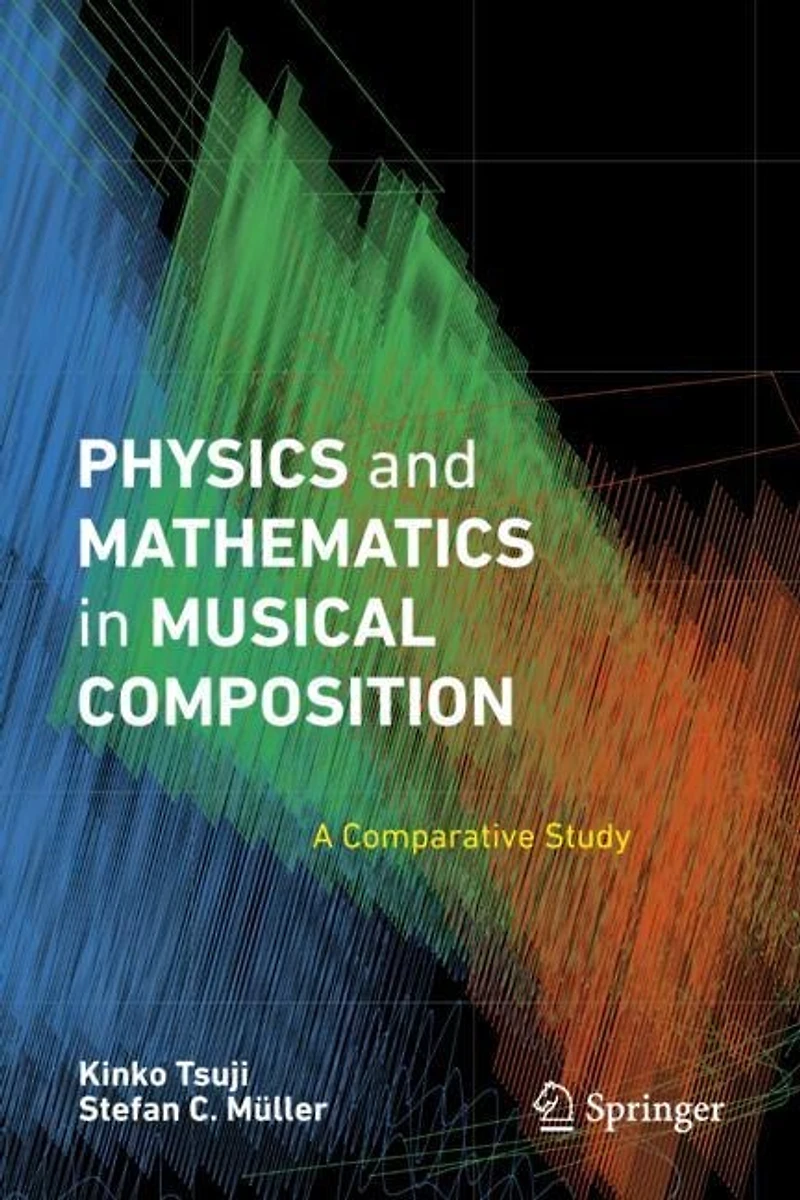
Physics and Mathematics Musical Composition: A Comparative Study in Brampton, ON
Current price: $87.95
Coles
Physics and Mathematics Musical Composition: A Comparative Study in Brampton, ON
Current price: $87.95
Loading Inventory...
Size: Hardcover
*Product information and pricing may vary - to confirm current pricing, availability, shipping, and return information please contact Coles. In the event of a pricing discrepancy, the retailer's price will apply.
How is music born? Is music made by humans or does it already exist and wait to be found? How do composers create (or ï¬nd) music? Having these questions in mind the authors ask more questions: How can we share our feelings with other people when listening to music? Can these be visualized? Why did Helmholtz have a problem with the third? Why is precise tuning so important in European music and less so in other cultures? What are the differences among the continents? What makes dissonant tone intervals uncomfortable in many cases? What enables us to distinguish the music of Mozart from that of Beethoven? Why are we fascinated by birdsong? Why does some music survive, whereas other just disappears? And finally, along which lines will music develop in the future? Drawing upon physics and mathematics, the authors search for answers to these questions and attempt to unravel in some depth the enigmas of how our minds are affected by the perception of music.
How is music born? Is music made by humans or does it already exist and wait to be found? How do composers create (or ï¬nd) music? Having these questions in mind the authors ask more questions: How can we share our feelings with other people when listening to music? Can these be visualized? Why did Helmholtz have a problem with the third? Why is precise tuning so important in European music and less so in other cultures? What are the differences among the continents? What makes dissonant tone intervals uncomfortable in many cases? What enables us to distinguish the music of Mozart from that of Beethoven? Why are we fascinated by birdsong? Why does some music survive, whereas other just disappears? And finally, along which lines will music develop in the future? Drawing upon physics and mathematics, the authors search for answers to these questions and attempt to unravel in some depth the enigmas of how our minds are affected by the perception of music.
You May Also Like












Find at Bramalea City Centre in Brampton, ON
Visit at Bramalea City Centre in Brampton, ON