



Gifting Made Simple
Give the Gift of ChoiceClick below to purchase a Bramalea City Centre eGift Card that can be used at participating retailers at Bramalea City Centre.Purchase HereHome
Phaedo
Coles
Loading Inventory...
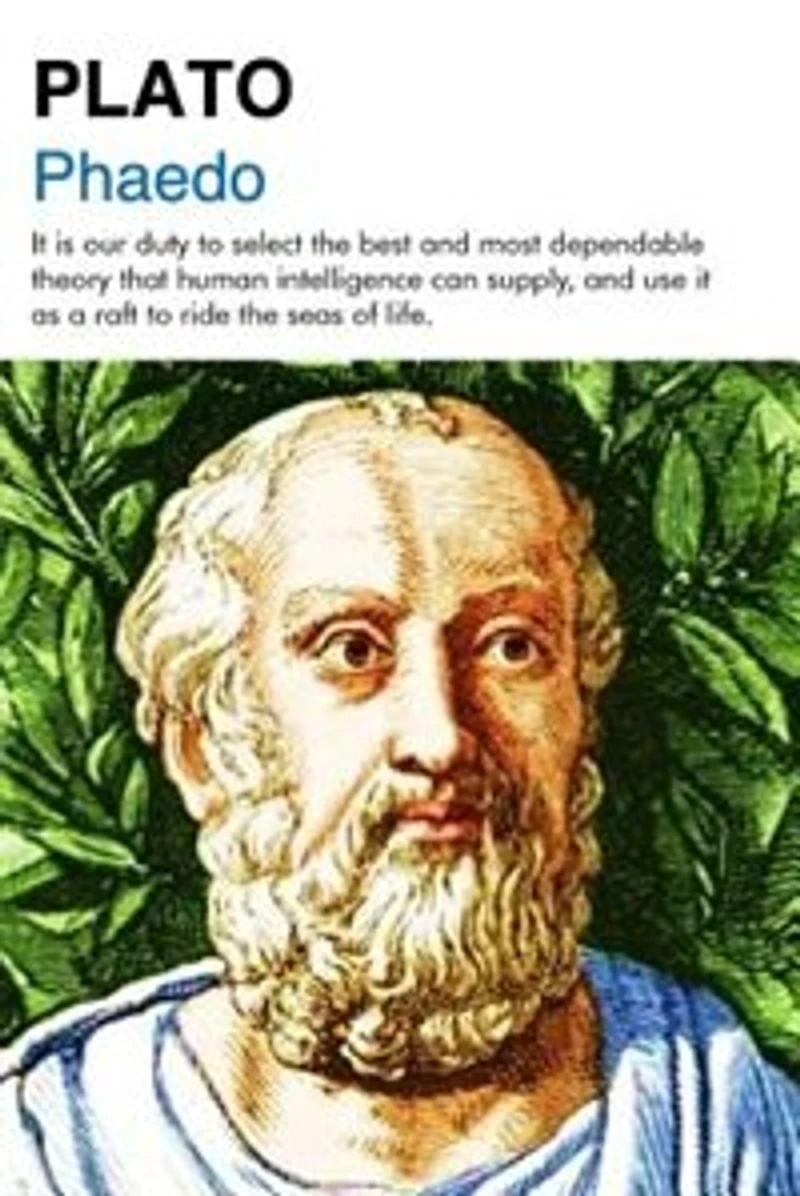
Phaedo in Brampton, ON
Current price: $6.66
Coles
Phaedo in Brampton, ON
Current price: $6.66
Loading Inventory...
Size: Paperback
*Product information and pricing may vary - to confirm current pricing, availability, shipping, and return information please contact Coles. In the event of a pricing discrepancy, the retailer's price will apply.
Plato's Phaedo is one of the great dialogues of his middle period, along with the Republic and the Symposium. The Phaedo, which depicts the death of Socrates, is also Plato's fourth and last dialogue to detail the philosopher's final days, following Euthyphro, Apology, and Crito. In the dialogue, Socrates discusses the nature of the afterlife on his last day before being executed by drinking hemlock. Socrates has been imprisoned and sentenced to death by an Athenian jury for not believing in the gods of the state and for corrupting the youth of the city. The dialogue is told from the perspective of one of Socrates' students, Phaedo of Elis. Having been present at Socrates' death bed, Phaedo relates the dialogue from that day to Echecrates, a Pythagorean philosopher.
Plato's Phaedo is one of the great dialogues of his middle period, along with the Republic and the Symposium. The Phaedo, which depicts the death of Socrates, is also Plato's fourth and last dialogue to detail the philosopher's final days, following Euthyphro, Apology, and Crito. In the dialogue, Socrates discusses the nature of the afterlife on his last day before being executed by drinking hemlock. Socrates has been imprisoned and sentenced to death by an Athenian jury for not believing in the gods of the state and for corrupting the youth of the city. The dialogue is told from the perspective of one of Socrates' students, Phaedo of Elis. Having been present at Socrates' death bed, Phaedo relates the dialogue from that day to Echecrates, a Pythagorean philosopher.
You May Also Like




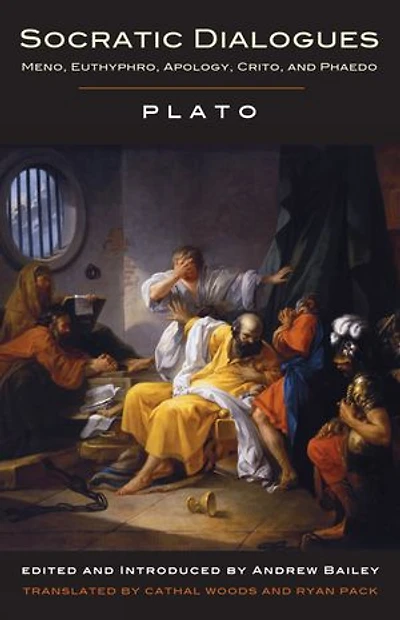










Find at Bramalea City Centre in Brampton, ON
Visit at Bramalea City Centre in Brampton, ON