



Gifting Made Simple
Give the Gift of ChoiceClick below to purchase a Bramalea City Centre eGift Card that can be used at participating retailers at Bramalea City Centre.Purchase HereHome
Organizational Imaginaries: Tempering Capitalism and Tending to Communities through Cooperatives Collectivist Democracy
Coles
Loading Inventory...
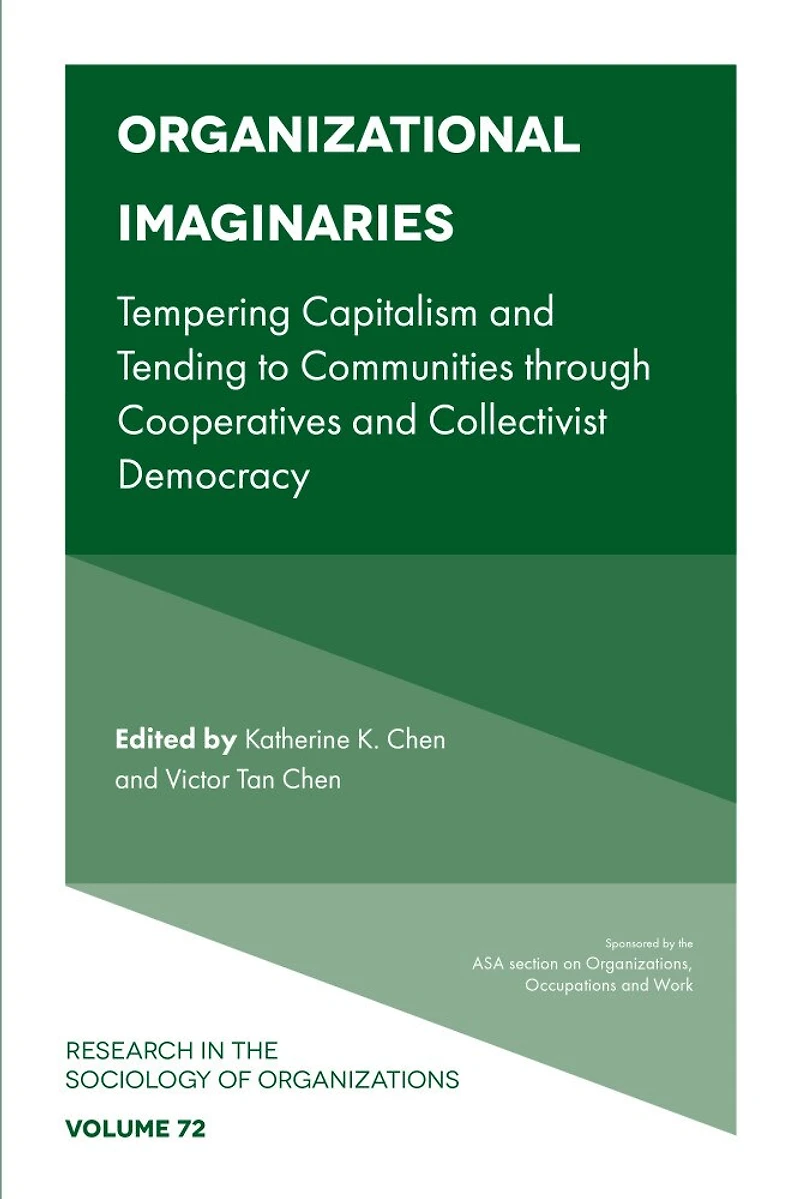
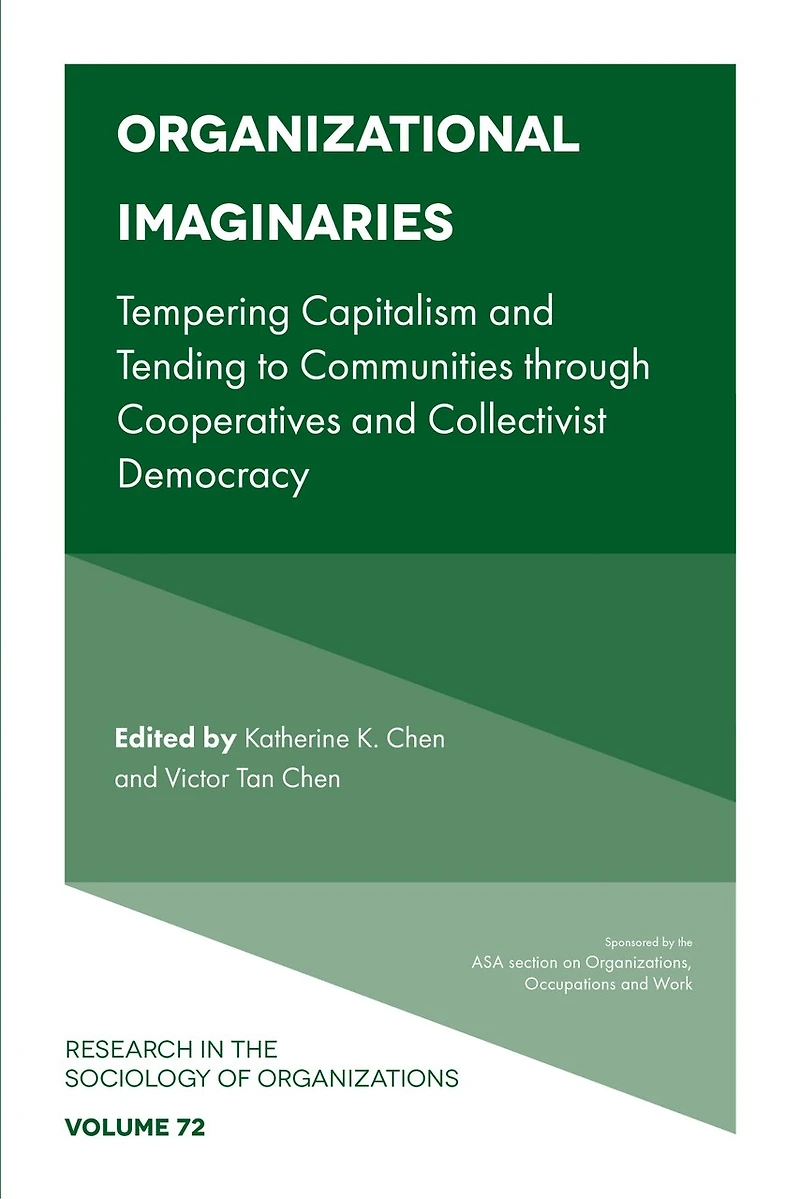
Organizational Imaginaries: Tempering Capitalism and Tending to Communities through Cooperatives Collectivist Democracy in Brampton, ON
Current price: $180.99
Coles
Organizational Imaginaries: Tempering Capitalism and Tending to Communities through Cooperatives Collectivist Democracy in Brampton, ON
Current price: $180.99
Loading Inventory...
Size: Hardcover
*Product information and pricing may vary - to confirm current pricing, availability, shipping, and return information please contact Coles. In the event of a pricing discrepancy, the retailer's price will apply.
Our everyday lives are structured by the rhythms, values, and practices of various organizations, including schools, workplaces, and government agencies. These experiences shape common-sense understandings of how 'best' to organize and connect with others. Today, for-profit managerial firms dominate society, even though their practices often curtail information-sharing and experimentation, engender exploitation, and exclude the interests of stakeholders, particularly workers and the general public.
This Research in the Sociology of Organizations volume explores an expansive array of organizational imaginaries, or conceptions of organizational possibilities, with a focus on collectivist-democratic organizations that operate in capitalist markets but place more authority and ownership in the hands of stakeholders other than shareholders. These include worker and consumer cooperatives and other enterprises that, to varying degrees:
Emphasize social values over profit
Are owned not by shareholders but by workers, consumers, or other stakeholders
Employ democratic forms of managing their operations
Have social ties to the organization based on moral and emotional commitments
Organizational Imaginaries explores how these enterprises generate solidarity among members, network with other organizations and communities, contend with market pressures, and enhance their larger organizational ecosystems. By ensuring that organizations ultimately support and serve broader communities, collectivist-democratic organizing can move societies closer to hopeful 'what if' and 'if only' futures. This volume is essential for researchers and students seeking innovative and egalitarian approaches to business and management.
Winner of the inaugural 2022 Joyce Rothschild Book Prize from the Institute for the Study of Employee Ownership and Profit Sharing at the Rutgers University School of Management and Labor Relations.
Our everyday lives are structured by the rhythms, values, and practices of various organizations, including schools, workplaces, and government agencies. These experiences shape common-sense understandings of how 'best' to organize and connect with others. Today, for-profit managerial firms dominate society, even though their practices often curtail information-sharing and experimentation, engender exploitation, and exclude the interests of stakeholders, particularly workers and the general public.
This Research in the Sociology of Organizations volume explores an expansive array of organizational imaginaries, or conceptions of organizational possibilities, with a focus on collectivist-democratic organizations that operate in capitalist markets but place more authority and ownership in the hands of stakeholders other than shareholders. These include worker and consumer cooperatives and other enterprises that, to varying degrees:
Emphasize social values over profit
Are owned not by shareholders but by workers, consumers, or other stakeholders
Employ democratic forms of managing their operations
Have social ties to the organization based on moral and emotional commitments
Organizational Imaginaries explores how these enterprises generate solidarity among members, network with other organizations and communities, contend with market pressures, and enhance their larger organizational ecosystems. By ensuring that organizations ultimately support and serve broader communities, collectivist-democratic organizing can move societies closer to hopeful 'what if' and 'if only' futures. This volume is essential for researchers and students seeking innovative and egalitarian approaches to business and management.
Winner of the inaugural 2022 Joyce Rothschild Book Prize from the Institute for the Study of Employee Ownership and Profit Sharing at the Rutgers University School of Management and Labor Relations.
You May Also Like



















Find at Bramalea City Centre in Brampton, ON
Visit at Bramalea City Centre in Brampton, ON