



Gifting Made Simple
Give the Gift of ChoiceClick below to purchase a Bramalea City Centre eGift Card that can be used at participating retailers at Bramalea City Centre.Purchase HereHome
One Hundred Wandering Haiku: Renga and Tanka
Coles
Loading Inventory...
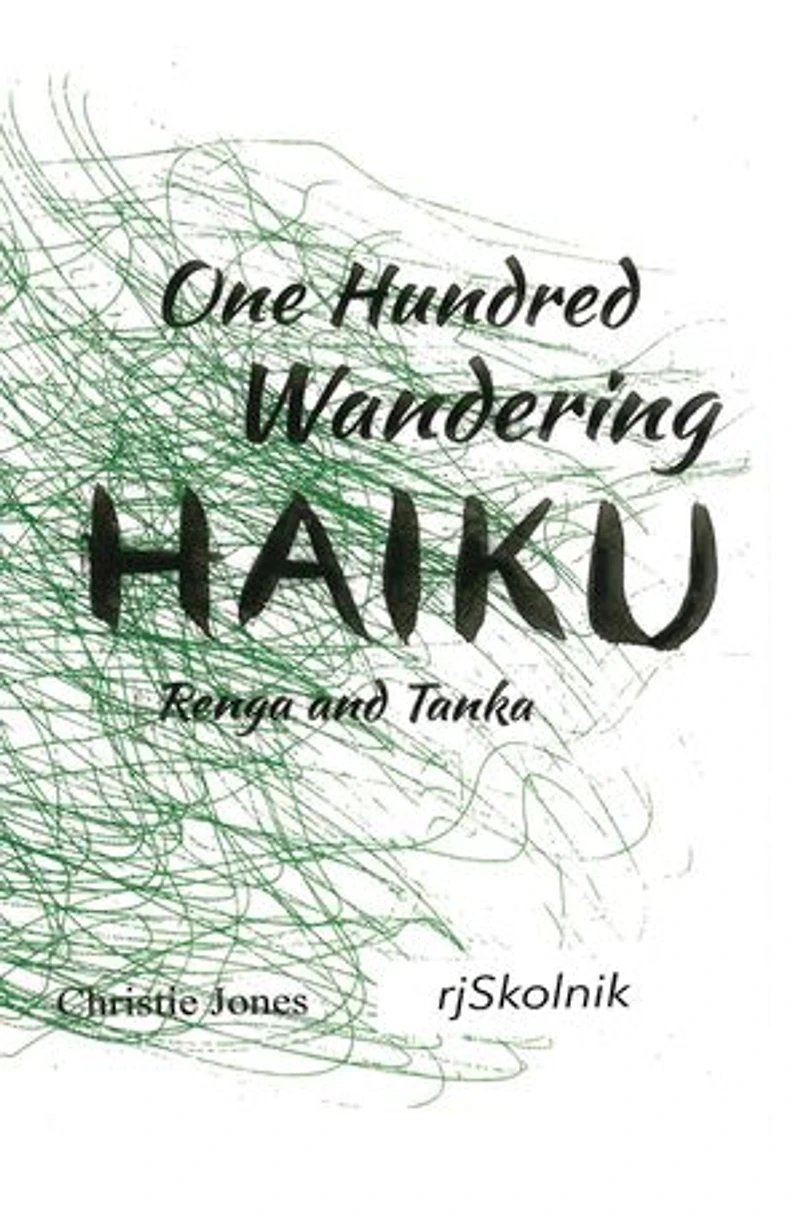
One Hundred Wandering Haiku: Renga and Tanka in Brampton, ON
Current price: $36.76
Coles
One Hundred Wandering Haiku: Renga and Tanka in Brampton, ON
Current price: $36.76
Loading Inventory...
Size: Kobo eBook
*Product information and pricing may vary - to confirm current pricing, availability, shipping, and return information please contact Coles. In the event of a pricing discrepancy, the retailer's price will apply.
About the Book
In ONE HUNDRED WANDERING HAIKU the poets have explored three traditional Japanese poetic forms, HAIKU, TANKA and RENGA. The first chapter offers basic HAIKU, three lines, (5-7-5 ) in seventeen syllables. In the second chapter the TANKA expands upon the Haiku to thirty-one syllables, 5-7-5-7-7.
A traditional RENGA is a linked verse form, usually beginning with a Haiku and then a response with two lines of seven syllables. In their MONET RENGA, (a variation upon this tradition), a simple HAIKU of 5-7-5 alternates between the two poets. The RIVER RENGA presents the true TANKA form: Hokku (starting verse of 5-7-5 syllables) from the initiator followed by a Haikai response of two lines (7-7 syllables).
With a deep exploration of these Japanese poetic structures, the poets opened up a world of keen observation and expressive language never known to them before. To distinguish each poet’s work two different fonts are used.
About the Book
In ONE HUNDRED WANDERING HAIKU the poets have explored three traditional Japanese poetic forms, HAIKU, TANKA and RENGA. The first chapter offers basic HAIKU, three lines, (5-7-5 ) in seventeen syllables. In the second chapter the TANKA expands upon the Haiku to thirty-one syllables, 5-7-5-7-7.
A traditional RENGA is a linked verse form, usually beginning with a Haiku and then a response with two lines of seven syllables. In their MONET RENGA, (a variation upon this tradition), a simple HAIKU of 5-7-5 alternates between the two poets. The RIVER RENGA presents the true TANKA form: Hokku (starting verse of 5-7-5 syllables) from the initiator followed by a Haikai response of two lines (7-7 syllables).
With a deep exploration of these Japanese poetic structures, the poets opened up a world of keen observation and expressive language never known to them before. To distinguish each poet’s work two different fonts are used.
You May Also Like












Find at Bramalea City Centre in Brampton, ON
Visit at Bramalea City Centre in Brampton, ON