



Gifting Made Simple
Give the Gift of ChoiceClick below to purchase a Bramalea City Centre eGift Card that can be used at participating retailers at Bramalea City Centre.Purchase HereHome
Nuclear Blackmail and Balance
Coles
Loading Inventory...
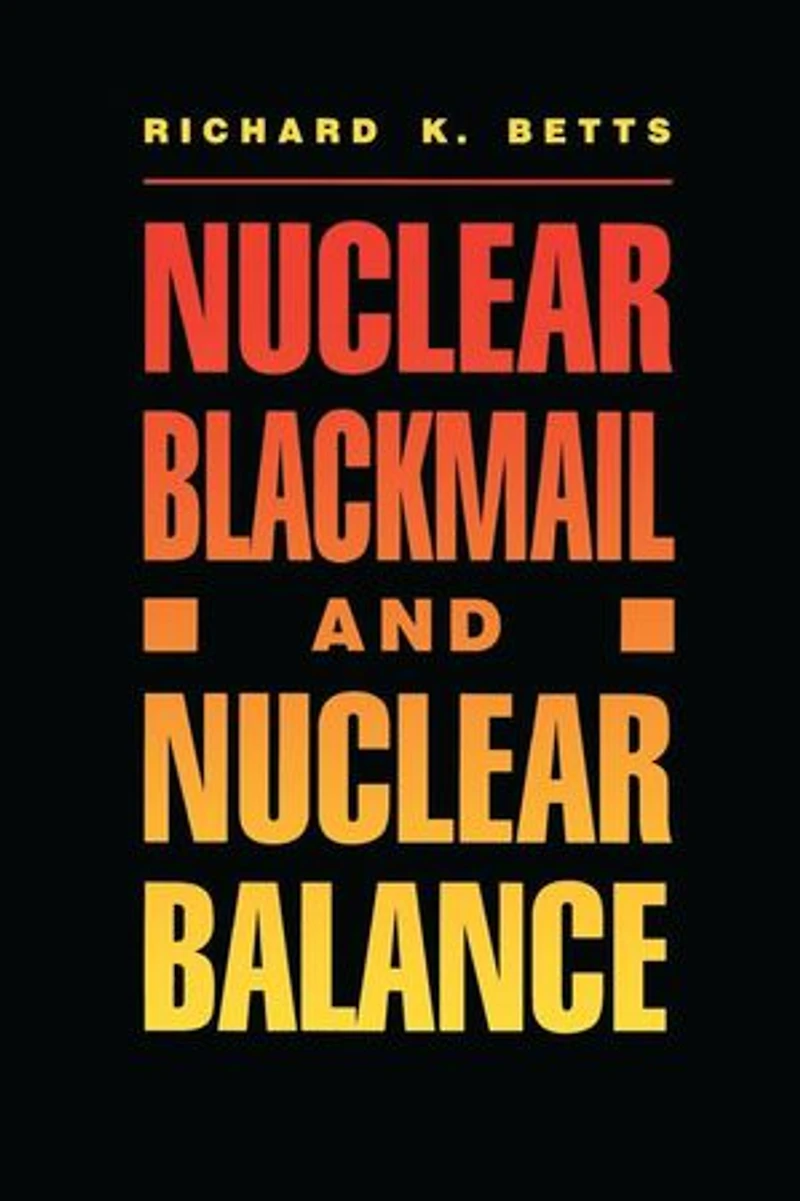
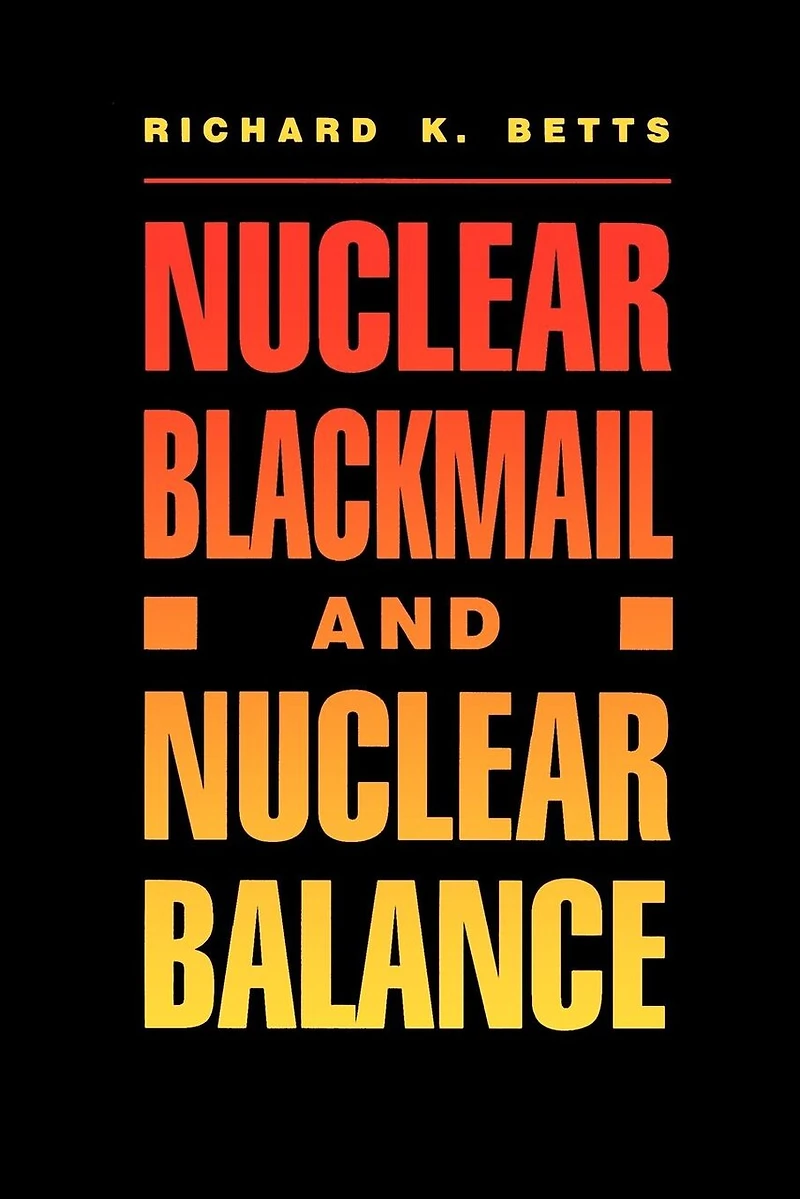
Nuclear Blackmail and Balance in Brampton, ON
Current price: $29.49
Original price: $36.85
Coles
Nuclear Blackmail and Balance in Brampton, ON
Current price: $29.49
Original price: $36.85
Loading Inventory...
Size: Kobo eBook
*Product information and pricing may vary - to confirm current pricing, availability, shipping, and return information please contact Coles. In the event of a pricing discrepancy, the retailer's price will apply.
In numerous crises after World War IIBerlin, Korea, the Taiwan Straits, and the Middle Eastthe United States resorted to vague threats to use nuclear weapons in order to deter Soviet or Chinese military action. On a few occasions the Soviet Union also engaged in nuclear saber-ratling. Using declassified documents and other sources, this volume examines those crises and compares the decisionmaking processes of leaders who considered nuclear threats with the commonly accepted logic of nuclear deterrence and coercion. Rejecting standard explanations of our leader's logic in these cases, Betts suggests that U.S. presidents were neither consciously blufffing when they made nuclear threats, nor prepared to face the consequences if their threats failed. The author also challenges the myth that the 1950s was a golden age of low vulberability for the United Stateas and details how nuclear parity has, and has not, altered conditions that gave rise to nuclear blackmail in the past.
In numerous crises after World War IIBerlin, Korea, the Taiwan Straits, and the Middle Eastthe United States resorted to vague threats to use nuclear weapons in order to deter Soviet or Chinese military action. On a few occasions the Soviet Union also engaged in nuclear saber-ratling. Using declassified documents and other sources, this volume examines those crises and compares the decisionmaking processes of leaders who considered nuclear threats with the commonly accepted logic of nuclear deterrence and coercion. Rejecting standard explanations of our leader's logic in these cases, Betts suggests that U.S. presidents were neither consciously blufffing when they made nuclear threats, nor prepared to face the consequences if their threats failed. The author also challenges the myth that the 1950s was a golden age of low vulberability for the United Stateas and details how nuclear parity has, and has not, altered conditions that gave rise to nuclear blackmail in the past.
You May Also Like











Find at Bramalea City Centre in Brampton, ON
Visit at Bramalea City Centre in Brampton, ON