



Gifting Made Simple
Give the Gift of ChoiceClick below to purchase a Bramalea City Centre eGift Card that can be used at participating retailers at Bramalea City Centre.Purchase HereHome
Nonhuman Witnessing: War, Data, and Ecology after the End of World
Coles
Loading Inventory...
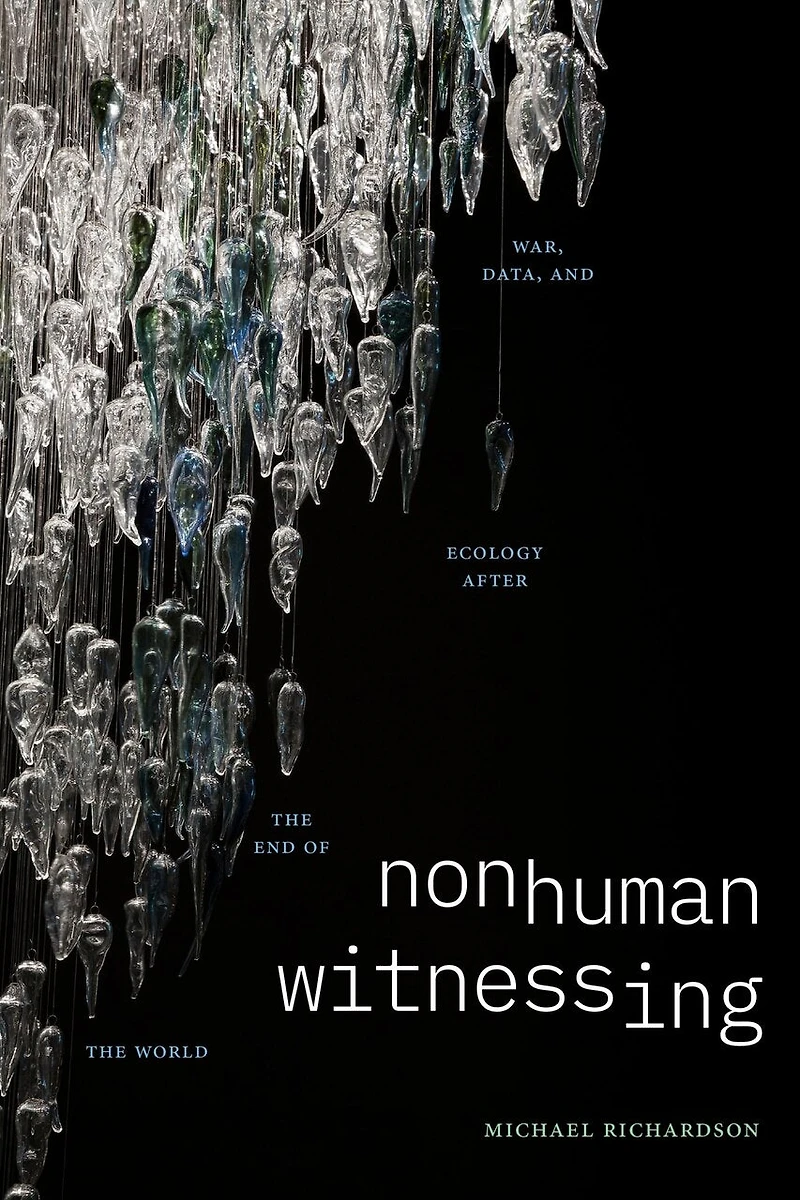
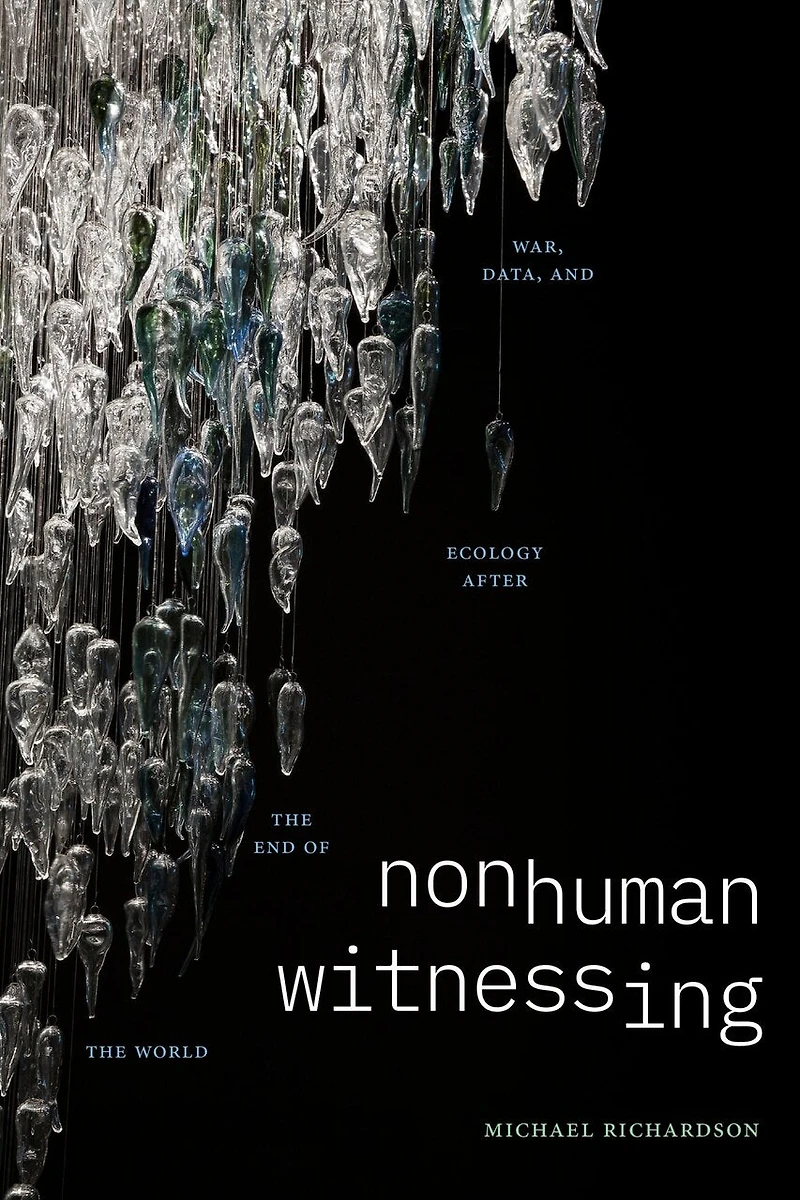
Nonhuman Witnessing: War, Data, and Ecology after the End of World in Brampton, ON
Current price: $133.95
Coles
Nonhuman Witnessing: War, Data, and Ecology after the End of World in Brampton, ON
Current price: $133.95
Loading Inventory...
Size: Hardcover
*Product information and pricing may vary - to confirm current pricing, availability, shipping, and return information please contact Coles. In the event of a pricing discrepancy, the retailer's price will apply.
In Nonhuman Witnessing Michael Richardson argues that a radical rethinking of what counts as witnessing is central to building frameworks for justice in an era of endless war, ecological catastrophe, and technological capture. Dismantling the primacy and notion of traditional human-based forms of witnessing, Richardson shows how ecological, machinic, and algorithmic forms of witnessing can help us better understand contemporary crises. He examines the media-specificity of nonhuman witnessing across an array of sites, from nuclear testing on First Nations land and autonomous drone warfare to deepfakes, artificial intelligence, and algorithmic investigative tools. Throughout, he illuminates the ethical and political implications of witnessing in an age of profound instability. By challenging readers to rethink their understanding of witnessing, testimony, and trauma in the context of interconnected crises, Richardson reveals the complex entanglements between witnessing and violence and the human and the nonhuman.
In Nonhuman Witnessing Michael Richardson argues that a radical rethinking of what counts as witnessing is central to building frameworks for justice in an era of endless war, ecological catastrophe, and technological capture. Dismantling the primacy and notion of traditional human-based forms of witnessing, Richardson shows how ecological, machinic, and algorithmic forms of witnessing can help us better understand contemporary crises. He examines the media-specificity of nonhuman witnessing across an array of sites, from nuclear testing on First Nations land and autonomous drone warfare to deepfakes, artificial intelligence, and algorithmic investigative tools. Throughout, he illuminates the ethical and political implications of witnessing in an age of profound instability. By challenging readers to rethink their understanding of witnessing, testimony, and trauma in the context of interconnected crises, Richardson reveals the complex entanglements between witnessing and violence and the human and the nonhuman.
You May Also Like









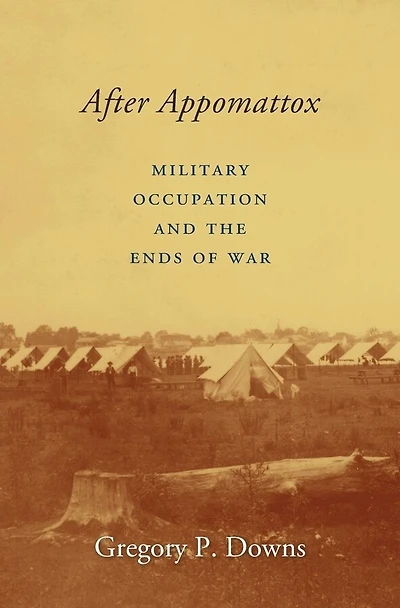








Find at Bramalea City Centre in Brampton, ON
Visit at Bramalea City Centre in Brampton, ON