



Gifting Made Simple
Give the Gift of ChoiceClick below to purchase a Bramalea City Centre eGift Card that can be used at participating retailers at Bramalea City Centre.Purchase HereHome
Nikolai Bolkhovitinov and American Studies the USSR: People's Diplomacy Cold War
Coles
Loading Inventory...
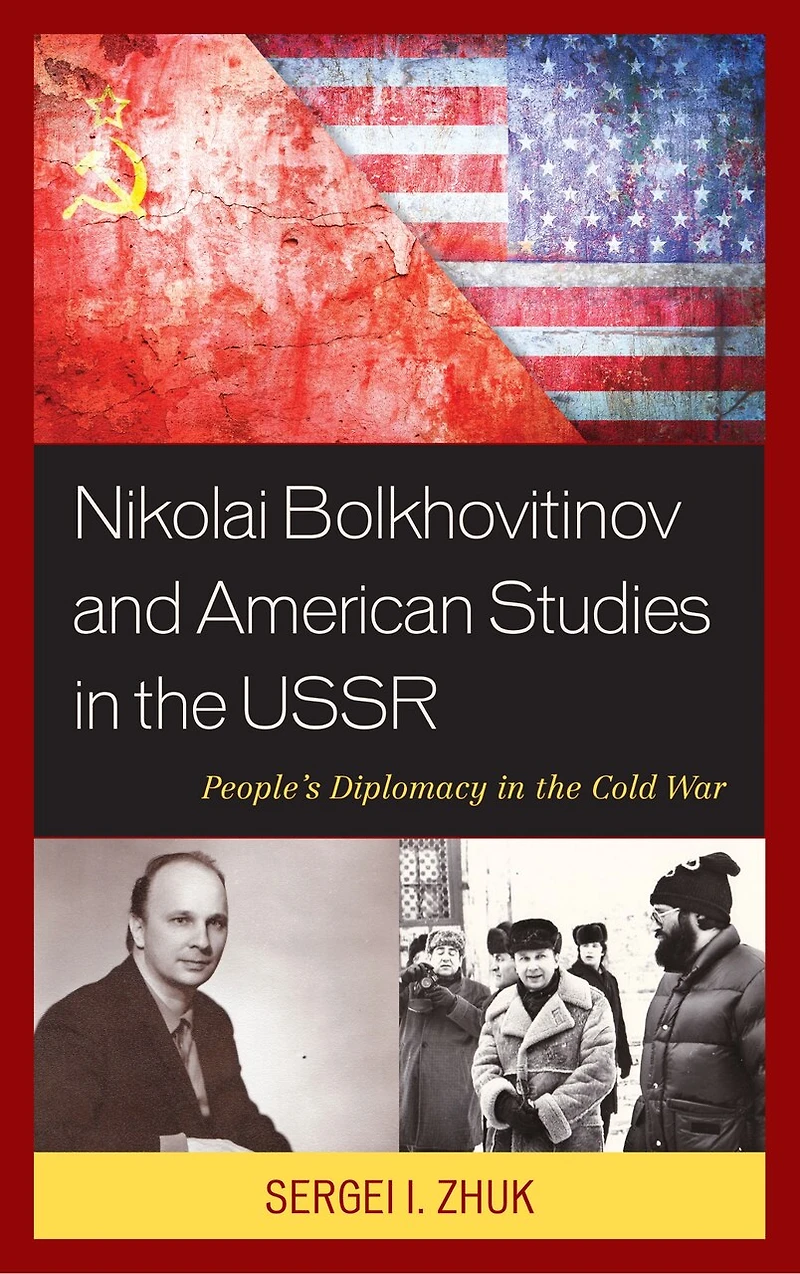
Nikolai Bolkhovitinov and American Studies the USSR: People's Diplomacy Cold War in Brampton, ON
Current price: $177.00
Coles
Nikolai Bolkhovitinov and American Studies the USSR: People's Diplomacy Cold War in Brampton, ON
Current price: $177.00
Loading Inventory...
Size: Hardcover
*Product information and pricing may vary - to confirm current pricing, availability, shipping, and return information please contact Coles. In the event of a pricing discrepancy, the retailer's price will apply.
This study is an intellectual biography of Nikolai N. Bolkhovitinov (1930-2008), the prominent Soviet historian who was a pioneering scholar of US history and US-Russian relations. Alongside the personal history of Bolkhovitinov, this study also examines the broader social, cultural, and intellectual developments within the Americanist scholarly community in Soviet and post-Soviet Russia. Using archival documents, numerous studies by Russian and Ukrainian Americanists, various periodicals, personal correspondence, diaries, and more than one hundred interviews, it demonstrates how concepts, genealogies, and images of modernity shaped a national self-perception of the intellectual elites in both nations during the Cold War.
This study is an intellectual biography of Nikolai N. Bolkhovitinov (1930-2008), the prominent Soviet historian who was a pioneering scholar of US history and US-Russian relations. Alongside the personal history of Bolkhovitinov, this study also examines the broader social, cultural, and intellectual developments within the Americanist scholarly community in Soviet and post-Soviet Russia. Using archival documents, numerous studies by Russian and Ukrainian Americanists, various periodicals, personal correspondence, diaries, and more than one hundred interviews, it demonstrates how concepts, genealogies, and images of modernity shaped a national self-perception of the intellectual elites in both nations during the Cold War.
You May Also Like








Find at Bramalea City Centre in Brampton, ON
Visit at Bramalea City Centre in Brampton, ON