



Gifting Made Simple
Give the Gift of ChoiceClick below to purchase a Bramalea City Centre eGift Card that can be used at participating retailers at Bramalea City Centre.Purchase HereHome
New Histories of Village Life at Crystal River
Coles
Loading Inventory...
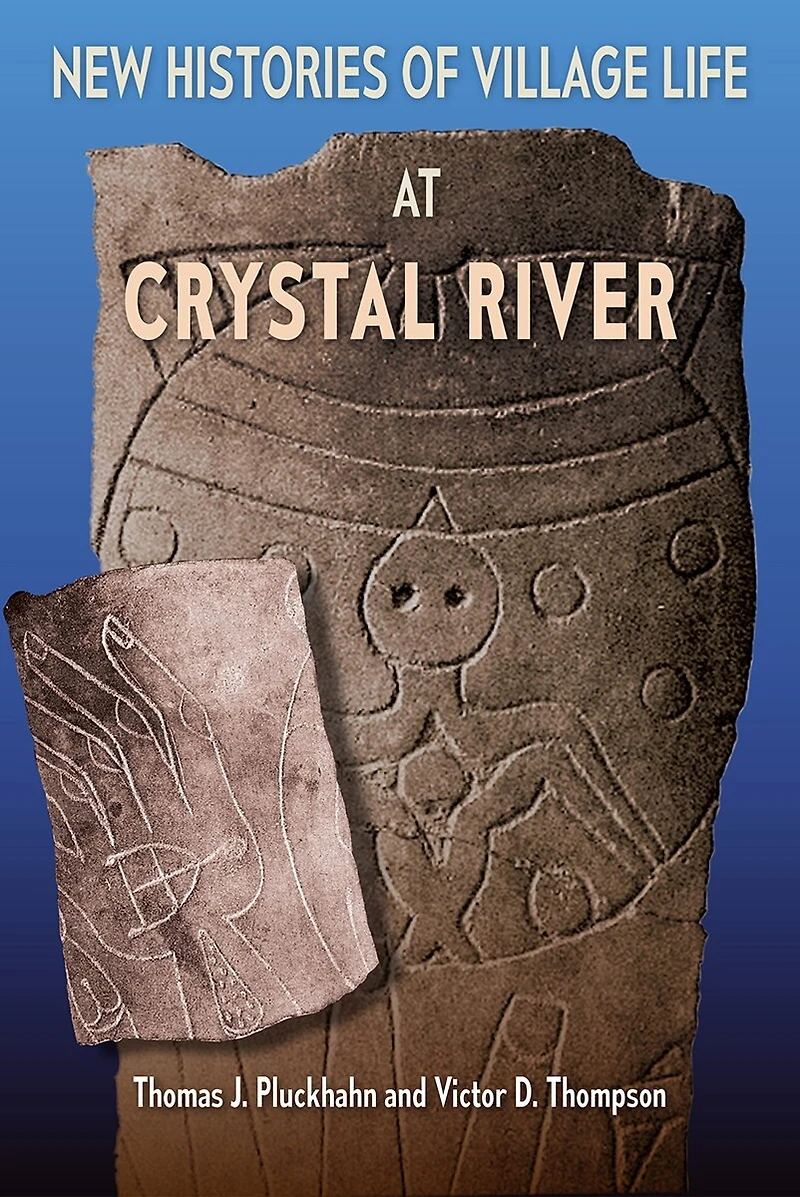
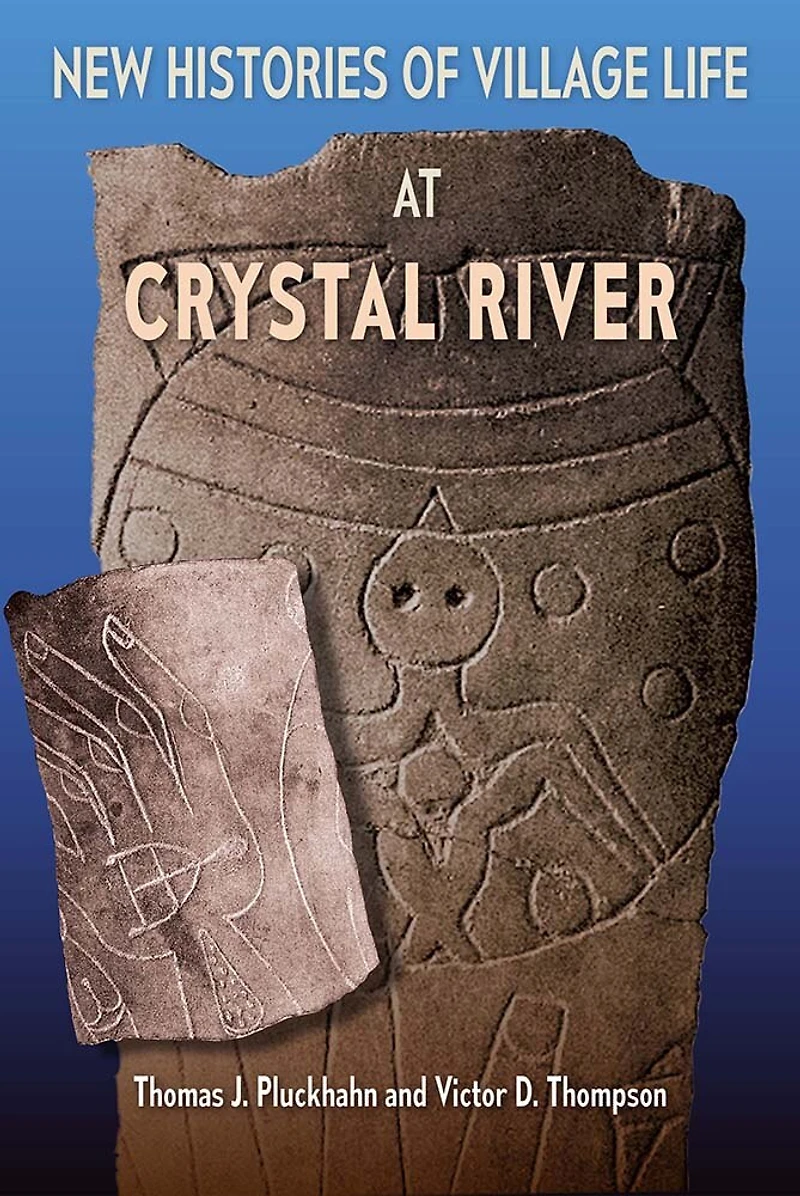
New Histories of Village Life at Crystal River in Brampton, ON
Current price: $100.00
Coles
New Histories of Village Life at Crystal River in Brampton, ON
Current price: $100.00
Loading Inventory...
Size: Hardcover
*Product information and pricing may vary - to confirm current pricing, availability, shipping, and return information please contact Coles. In the event of a pricing discrepancy, the retailer's price will apply.
An in-depth study of a Woodland period archaeological site that was occupied for over 1,000 years This volume explores how native peoples of the Southeastern United States cooperated to form large and permanent early villages using the site of Crystal River on Florida’s Gulf Coast as a case study. Crystal River was once among the most celebrated sites of the Woodland period (ca. 1000 B.C. to A.D. 1050), consisting of ten mounds and large numbers of diverse artifacts from the Hopewell culture. But a lack of research using contemporary methods at this site—and nearby Roberts Island—limited a full understanding of what these sites could tell scholars. Thomas Pluckhahn and Victor Thompson reanalyze previous excavations and conduct new field investigations to tell the whole story of Crystal River from its beginnings as a ceremonial center through its growth into a large village to its decline at the turn of the first millennium while Roberts Island and other nearby areas thrived. Comparing this community to similar sites on the Gulf Coast and in other areas of the world, Pluckhahn and Thompson argue that Crystal River is an example of an “early village society.” They illustrate that these early villages present important evidence in a larger debate regarding the role of competition versus cooperation in the development of human societies.
An in-depth study of a Woodland period archaeological site that was occupied for over 1,000 years This volume explores how native peoples of the Southeastern United States cooperated to form large and permanent early villages using the site of Crystal River on Florida’s Gulf Coast as a case study. Crystal River was once among the most celebrated sites of the Woodland period (ca. 1000 B.C. to A.D. 1050), consisting of ten mounds and large numbers of diverse artifacts from the Hopewell culture. But a lack of research using contemporary methods at this site—and nearby Roberts Island—limited a full understanding of what these sites could tell scholars. Thomas Pluckhahn and Victor Thompson reanalyze previous excavations and conduct new field investigations to tell the whole story of Crystal River from its beginnings as a ceremonial center through its growth into a large village to its decline at the turn of the first millennium while Roberts Island and other nearby areas thrived. Comparing this community to similar sites on the Gulf Coast and in other areas of the world, Pluckhahn and Thompson argue that Crystal River is an example of an “early village society.” They illustrate that these early villages present important evidence in a larger debate regarding the role of competition versus cooperation in the development of human societies.








Find at Bramalea City Centre in Brampton, ON
Visit at Bramalea City Centre in Brampton, ON