



Gifting Made Simple
Give the Gift of ChoiceClick below to purchase a Bramalea City Centre eGift Card that can be used at participating retailers at Bramalea City Centre.Purchase HereHome
Navigating AAC: 50 Essential Strategies and Resources for Using Augmentative Alternative Communication
Coles
Loading Inventory...
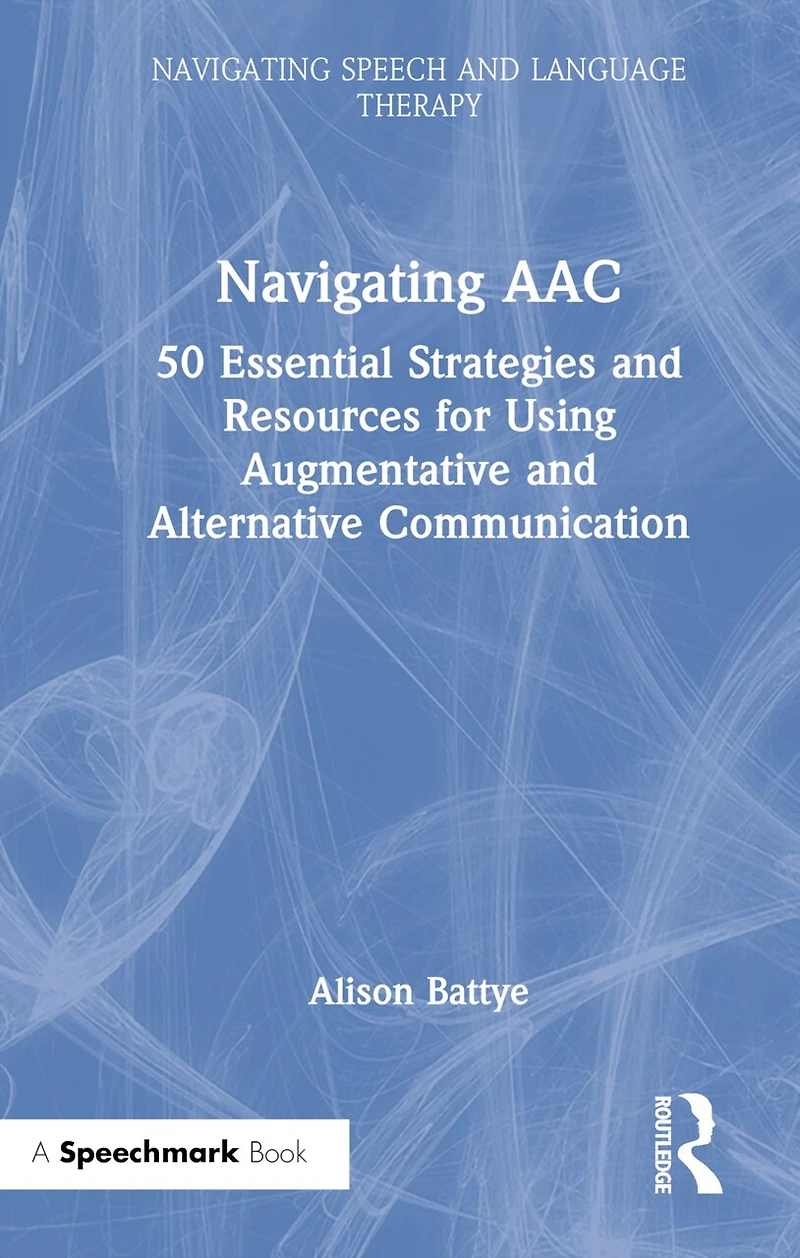
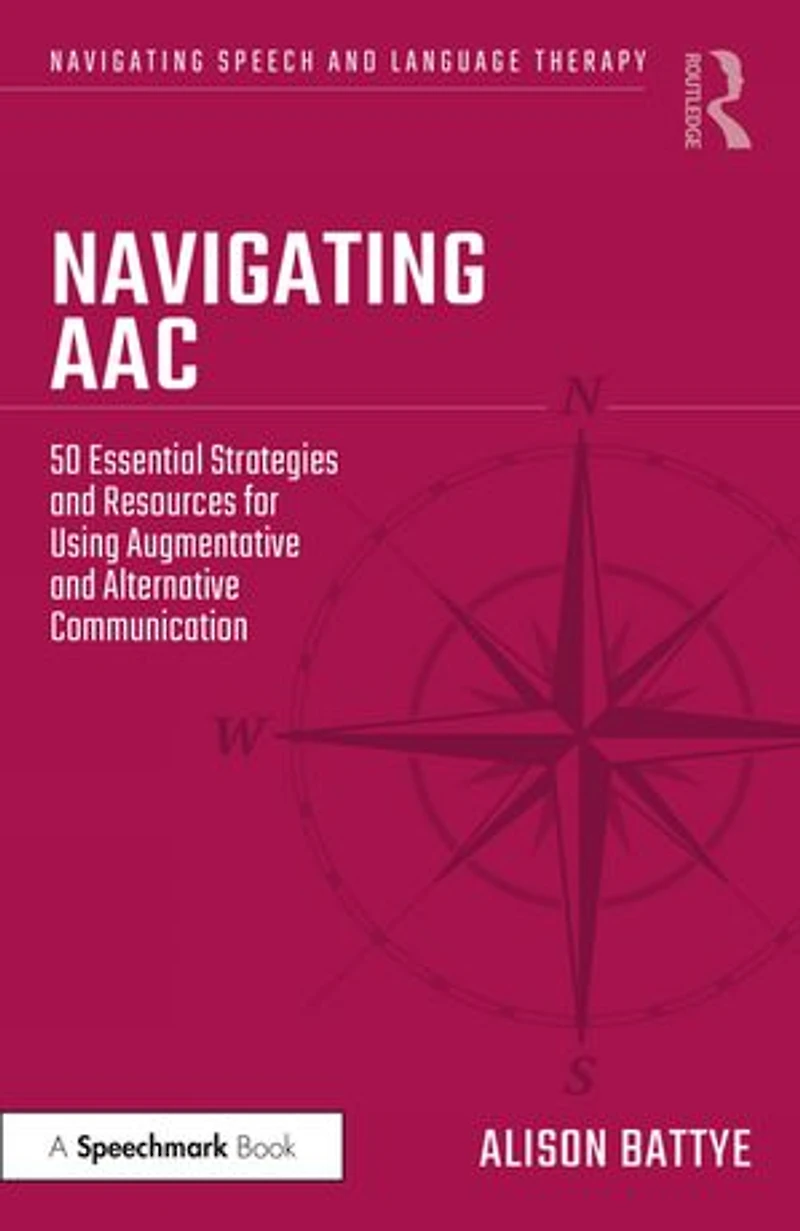
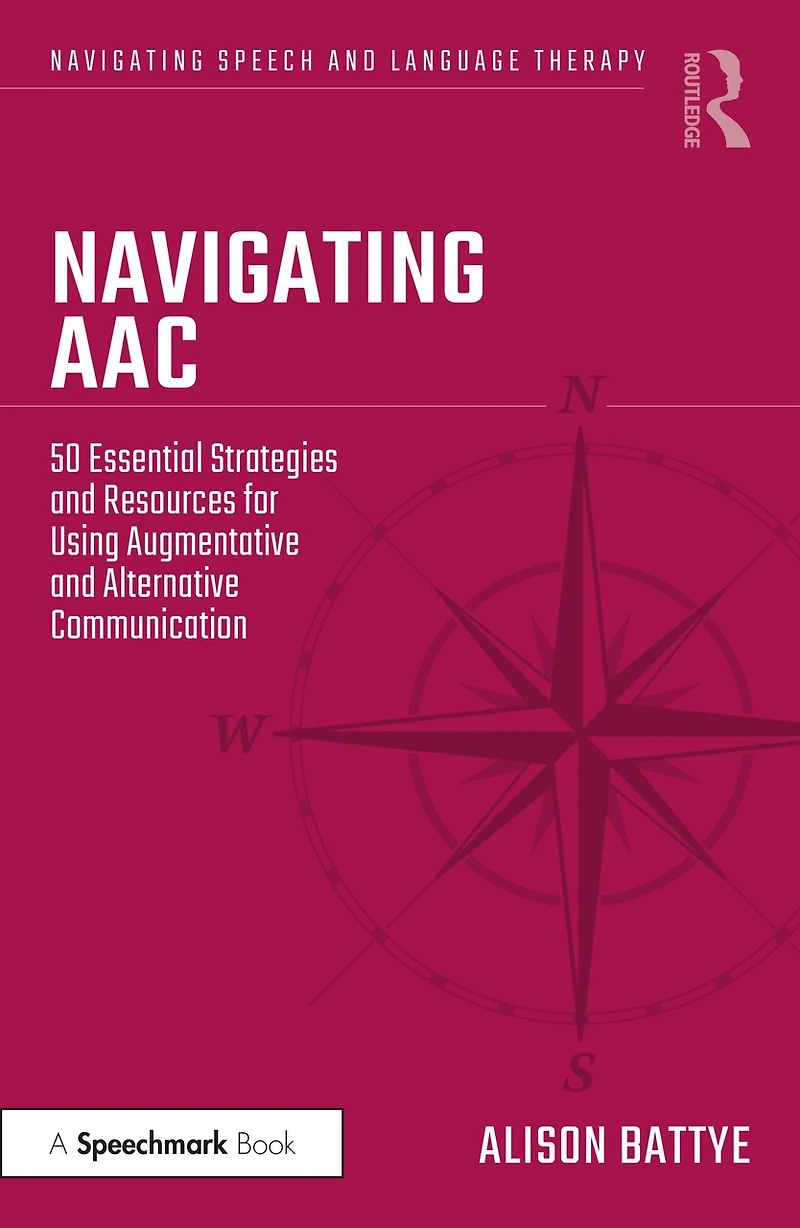
Navigating AAC: 50 Essential Strategies and Resources for Using Augmentative Alternative Communication in Brampton, ON
Current price: $296.50
Coles
Navigating AAC: 50 Essential Strategies and Resources for Using Augmentative Alternative Communication in Brampton, ON
Current price: $296.50
Loading Inventory...
Size: Hardcover
*Product information and pricing may vary - to confirm current pricing, availability, shipping, and return information please contact Coles. In the event of a pricing discrepancy, the retailer's price will apply.
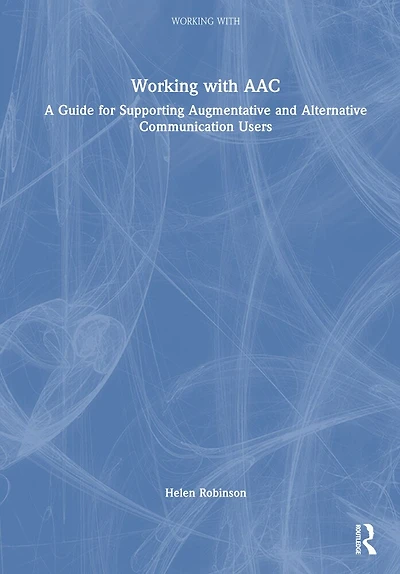
Speech and Language Therapists are assumed to have a knowledge of AAC (Augmentative and Alternative Communication). The reality is that, unless they have had a student clinical placement in this field, they will qualify with very little experience in this area. This book is an approachable guide to AAC and covers the various types, including paper-based and voice-output communication aids. There is guidance on how to assess a person who might need AAC, and how to work collaboratively with those who support the person on a daily basis. The author discusses the importance of core vocabulary alongside a personalised vocabulary. There are pointers for referring to specialised services, signposting families to alternative sources of funding, and making a business case for buying AAC equipment. Written by an expert in the field, this book provides tips and strategies for SLTs who are brand new to AAC, as well as experienced clinicians wanting to gain further confidence in working with this varied client group.
Speech and Language Therapists are assumed to have a knowledge of AAC (Augmentative and Alternative Communication). The reality is that, unless they have had a student clinical placement in this field, they will qualify with very little experience in this area. This book is an approachable guide to AAC and covers the various types, including paper-based and voice-output communication aids. There is guidance on how to assess a person who might need AAC, and how to work collaboratively with those who support the person on a daily basis. The author discusses the importance of core vocabulary alongside a personalised vocabulary. There are pointers for referring to specialised services, signposting families to alternative sources of funding, and making a business case for buying AAC equipment. Written by an expert in the field, this book provides tips and strategies for SLTs who are brand new to AAC, as well as experienced clinicians wanting to gain further confidence in working with this varied client group.
You May Also Like










Find at Bramalea City Centre in Brampton, ON
Visit at Bramalea City Centre in Brampton, ON