



Gifting Made Simple
Give the Gift of ChoiceClick below to purchase a Bramalea City Centre eGift Card that can be used at participating retailers at Bramalea City Centre.Purchase HereHome
Naturalizing Africa: Ecological Violence, Agency, And Postcolonial Resistance African Literature
Coles
Loading Inventory...
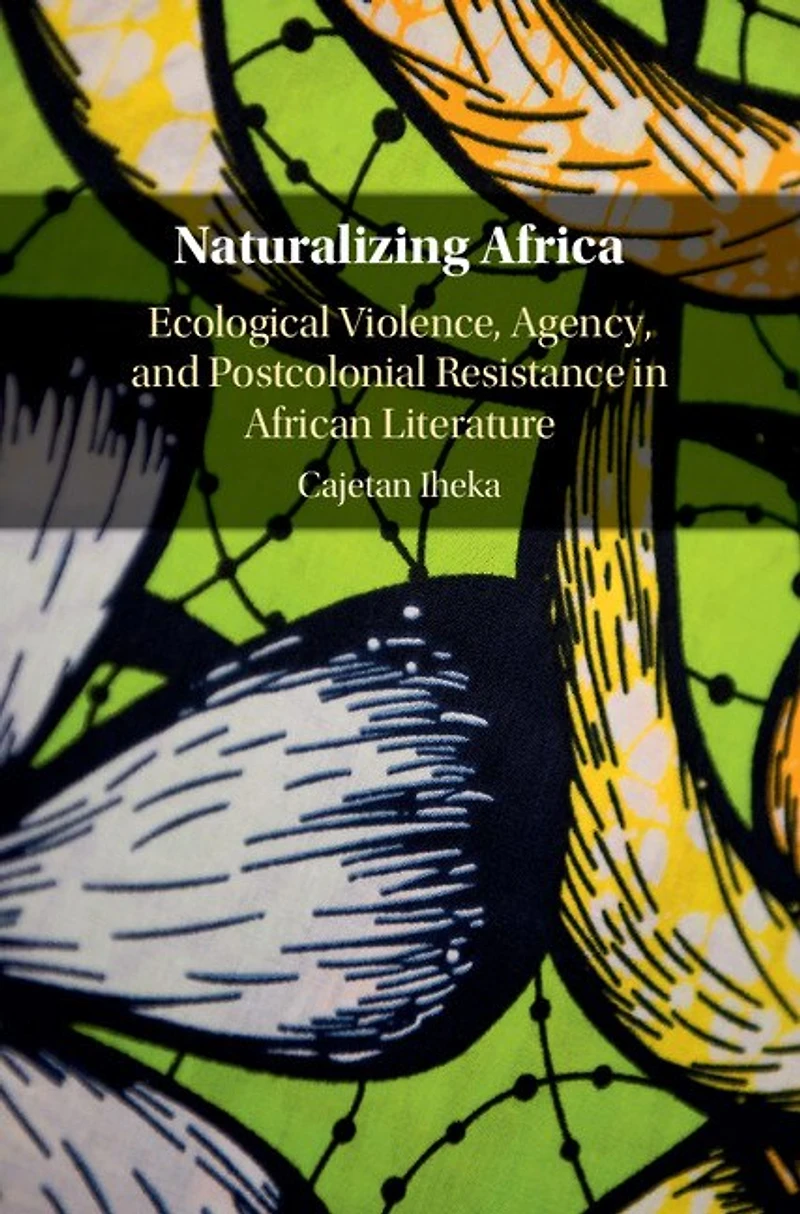
Naturalizing Africa: Ecological Violence, Agency, And Postcolonial Resistance African Literature in Brampton, ON
Current price: $152.95
Coles
Naturalizing Africa: Ecological Violence, Agency, And Postcolonial Resistance African Literature in Brampton, ON
Current price: $152.95
Loading Inventory...
Size: Hardcover
*Product information and pricing may vary - to confirm current pricing, availability, shipping, and return information please contact Coles. In the event of a pricing discrepancy, the retailer's price will apply.
The problem of environmental degradation on the African continent is a severe one. In this book, Cajetan Iheka analyzes how African literary texts have engaged with pressing ecological problems in Africa, including the Niger Delta oil pollution in Nigeria, ecologies of war in Somalia, and animal abuses. Analyzing narratives by important African writers such as Amos Tutuola, Wangari Maathai, J. M. Coetzee, Bessie Head, and Ben Okri, Iheka challenges the tendency to focus primarily on humans in the conceptualization of environmental problems, and instead focuses on how African literature demonstrates the interconnection and 'proximity' of human and nonhuman beings. Through this, Iheka ultimately proposes a revision of the idea of agency based on human intentionality in African literary studies and postcolonialism: that texts yoke the exploitation of Africans to the despoliation of the environment, and they recommend responsibility toward human and nonhuman beings as crucial for ecological sustainability and addressing climate change.
The problem of environmental degradation on the African continent is a severe one. In this book, Cajetan Iheka analyzes how African literary texts have engaged with pressing ecological problems in Africa, including the Niger Delta oil pollution in Nigeria, ecologies of war in Somalia, and animal abuses. Analyzing narratives by important African writers such as Amos Tutuola, Wangari Maathai, J. M. Coetzee, Bessie Head, and Ben Okri, Iheka challenges the tendency to focus primarily on humans in the conceptualization of environmental problems, and instead focuses on how African literature demonstrates the interconnection and 'proximity' of human and nonhuman beings. Through this, Iheka ultimately proposes a revision of the idea of agency based on human intentionality in African literary studies and postcolonialism: that texts yoke the exploitation of Africans to the despoliation of the environment, and they recommend responsibility toward human and nonhuman beings as crucial for ecological sustainability and addressing climate change.
You May Also Like













Find at Bramalea City Centre in Brampton, ON
Visit at Bramalea City Centre in Brampton, ON