



Gifting Made Simple
Give the Gift of ChoiceClick below to purchase a Bramalea City Centre eGift Card that can be used at participating retailers at Bramalea City Centre.Purchase HereHome
Mobian Nights: Reading Literature And Darkness
Coles
Loading Inventory...
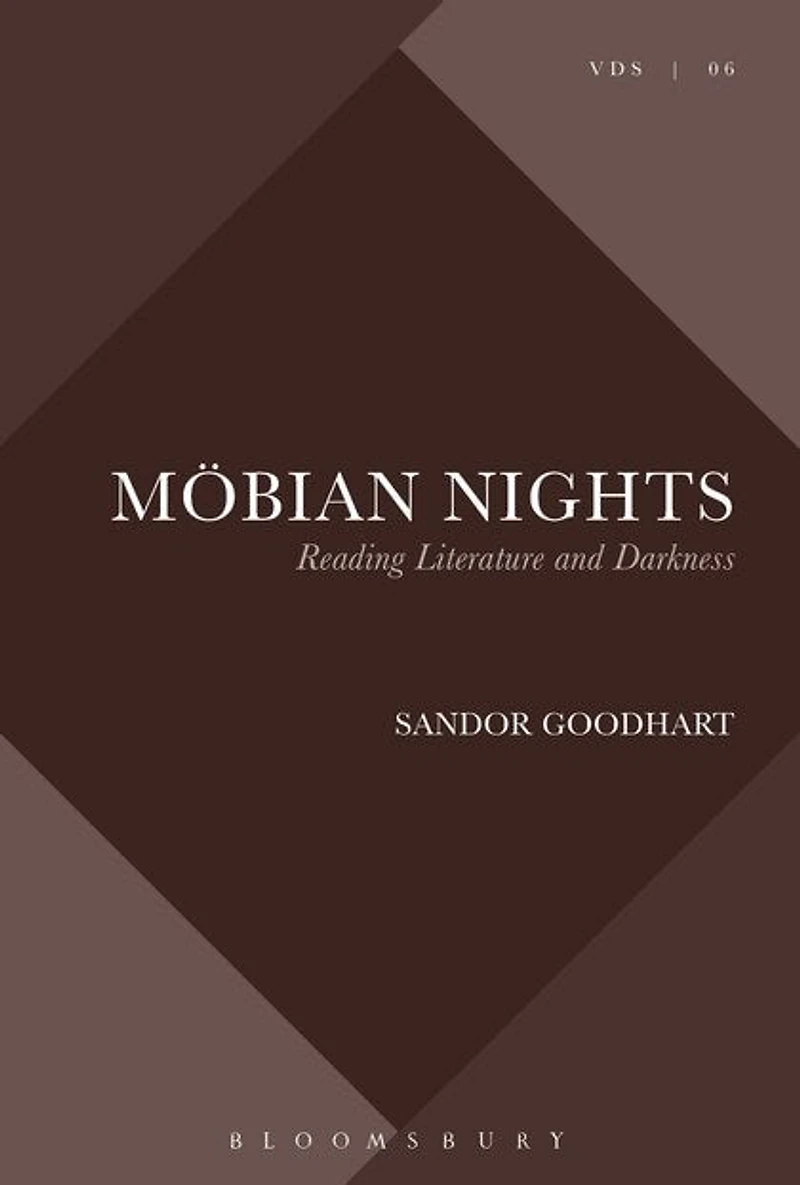
Mobian Nights: Reading Literature And Darkness in Brampton, ON
Current price: $277.50
Coles
Mobian Nights: Reading Literature And Darkness in Brampton, ON
Current price: $277.50
Loading Inventory...
Size: Hardcover
*Product information and pricing may vary - to confirm current pricing, availability, shipping, and return information please contact Coles. In the event of a pricing discrepancy, the retailer's price will apply.
"I died at Auschwitz," French writer Charlotte Delbo asserts, "and nobody knows it." Möbian Nights: Reading Literature and Darkness develops a new understanding of literary reading: that in the wake of disasters like the Holocaust, death remains a premise of our experience rather than a future. Challenging customary "aesthetic" assumptions that we write in order not to die, Sandor Goodhart suggests (with Kafka) we write to die. Drawing upon analyses developed by Girard, Foucault, Blanchot, and Levinas (along with examples from Homer to Beckett), Möbian Nights proposes that all literature works "autobiographically", which is to say, in the wake of disaster; with the credo "I died; therefore, I am"; and for which the language of topology (for example, the "Möbius strip") offers a vocabulary for naming the "deep structure" of such literary, critical, and scriptural sacrificial and anti-sacrificial dynamics.
"I died at Auschwitz," French writer Charlotte Delbo asserts, "and nobody knows it." Möbian Nights: Reading Literature and Darkness develops a new understanding of literary reading: that in the wake of disasters like the Holocaust, death remains a premise of our experience rather than a future. Challenging customary "aesthetic" assumptions that we write in order not to die, Sandor Goodhart suggests (with Kafka) we write to die. Drawing upon analyses developed by Girard, Foucault, Blanchot, and Levinas (along with examples from Homer to Beckett), Möbian Nights proposes that all literature works "autobiographically", which is to say, in the wake of disaster; with the credo "I died; therefore, I am"; and for which the language of topology (for example, the "Möbius strip") offers a vocabulary for naming the "deep structure" of such literary, critical, and scriptural sacrificial and anti-sacrificial dynamics.









Find at Bramalea City Centre in Brampton, ON
Visit at Bramalea City Centre in Brampton, ON