



Gifting Made Simple
Give the Gift of ChoiceClick below to purchase a Bramalea City Centre eGift Card that can be used at participating retailers at Bramalea City Centre.Purchase HereHome
Mindscaping the Landscape of Tibet: Place, Memorability, Ecoaesthetics
Coles
Loading Inventory...
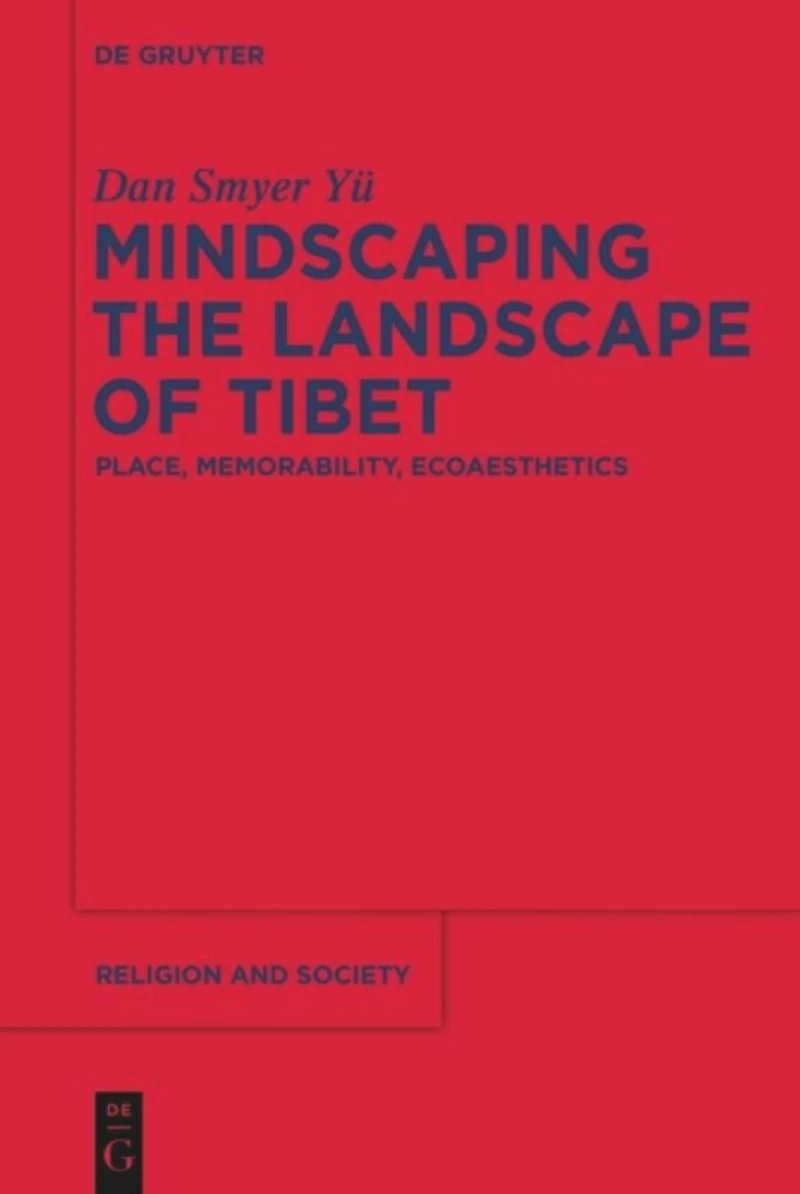
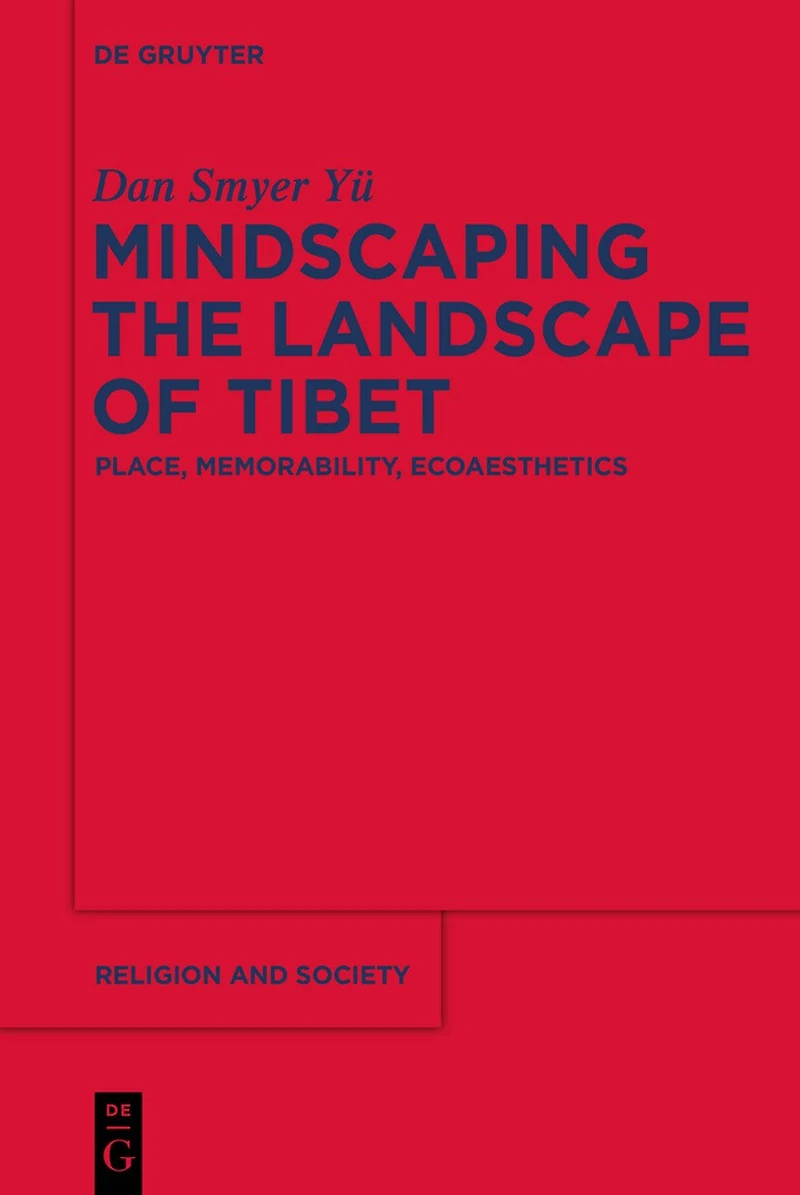
Mindscaping the Landscape of Tibet: Place, Memorability, Ecoaesthetics in Brampton, ON
Current price: $269.99
Coles
Mindscaping the Landscape of Tibet: Place, Memorability, Ecoaesthetics in Brampton, ON
Current price: $269.99
Loading Inventory...
Size: Hardcover
*Product information and pricing may vary - to confirm current pricing, availability, shipping, and return information please contact Coles. In the event of a pricing discrepancy, the retailer's price will apply.
Based on the author’s cross-regional fieldwork, archival findings, and critical reading of memoirs and creative works of Tibetans and Chinese, this book recounts how the potency of Tibet manifests itself in modern material culture concerning Tibet, which is interwoven with state ideology, politics of identity, imagination, nostalgia, forgetting, remembering, and earth-inspired transcendence. The physical place of Tibet is the antecedent point of contact for subsequent spiritual imaginations, acts of destruction and reconstruction, collective nostalgia, and delayed aesthetic and environmental awareness shown in the eco-religious acts of native Tibetans, Communist radical utopianism, former military officers’ recollections, Tibetan and Chinese artwork, and touristic consumption of the Tibetan landscape. By drawing connections between differences, dichotomies, and oppositions, this book explores the interiors of the diverse agentive modes of imaginations from which Tibet is imagined in China. On the theoretical front, this book attempts to bring forth a set of fresh perspectives on how a culturally and religiously specific landscape is antecedent to simultaneous processes of place-making, identity-making, and the bonding between place and people.
Based on the author’s cross-regional fieldwork, archival findings, and critical reading of memoirs and creative works of Tibetans and Chinese, this book recounts how the potency of Tibet manifests itself in modern material culture concerning Tibet, which is interwoven with state ideology, politics of identity, imagination, nostalgia, forgetting, remembering, and earth-inspired transcendence. The physical place of Tibet is the antecedent point of contact for subsequent spiritual imaginations, acts of destruction and reconstruction, collective nostalgia, and delayed aesthetic and environmental awareness shown in the eco-religious acts of native Tibetans, Communist radical utopianism, former military officers’ recollections, Tibetan and Chinese artwork, and touristic consumption of the Tibetan landscape. By drawing connections between differences, dichotomies, and oppositions, this book explores the interiors of the diverse agentive modes of imaginations from which Tibet is imagined in China. On the theoretical front, this book attempts to bring forth a set of fresh perspectives on how a culturally and religiously specific landscape is antecedent to simultaneous processes of place-making, identity-making, and the bonding between place and people.
You May Also Like










Find at Bramalea City Centre in Brampton, ON
Visit at Bramalea City Centre in Brampton, ON