



Gifting Made Simple
Give the Gift of ChoiceClick below to purchase a Bramalea City Centre eGift Card that can be used at participating retailers at Bramalea City Centre.Purchase HereHome
Microeconomic Modeling Urban Science
Coles
Loading Inventory...
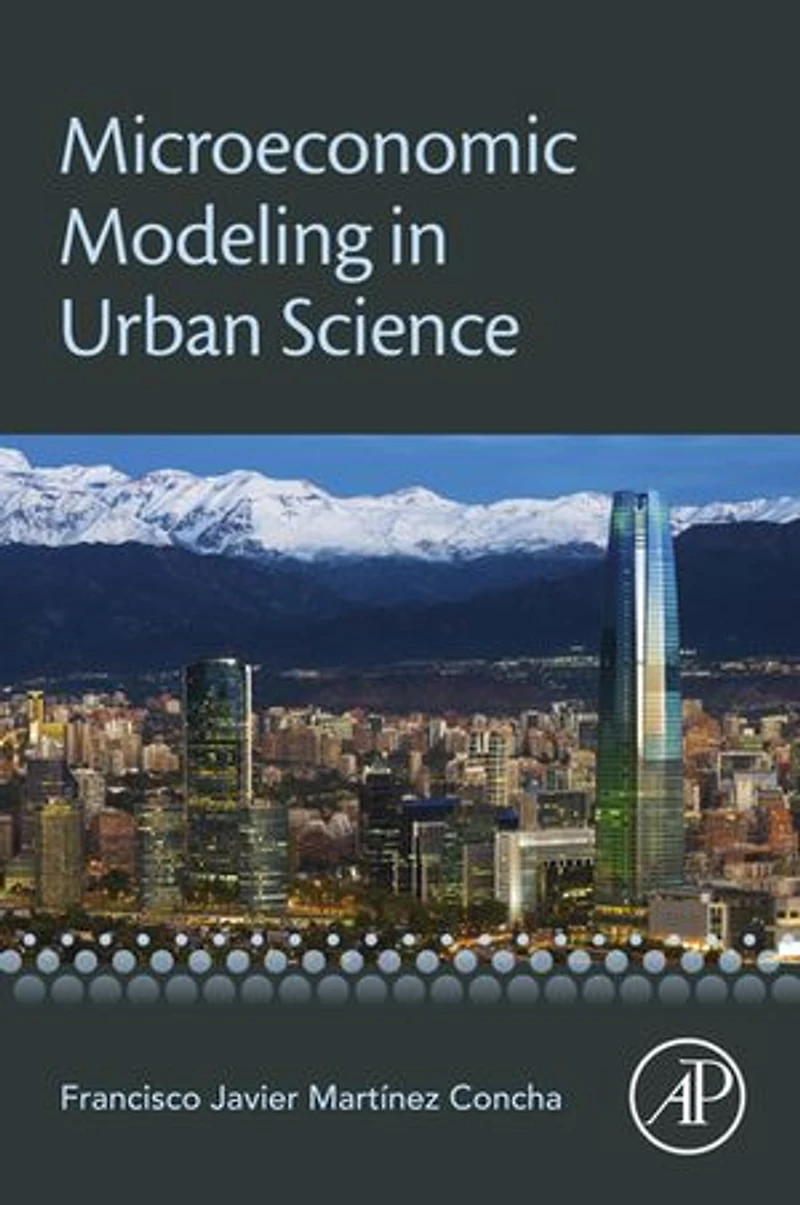
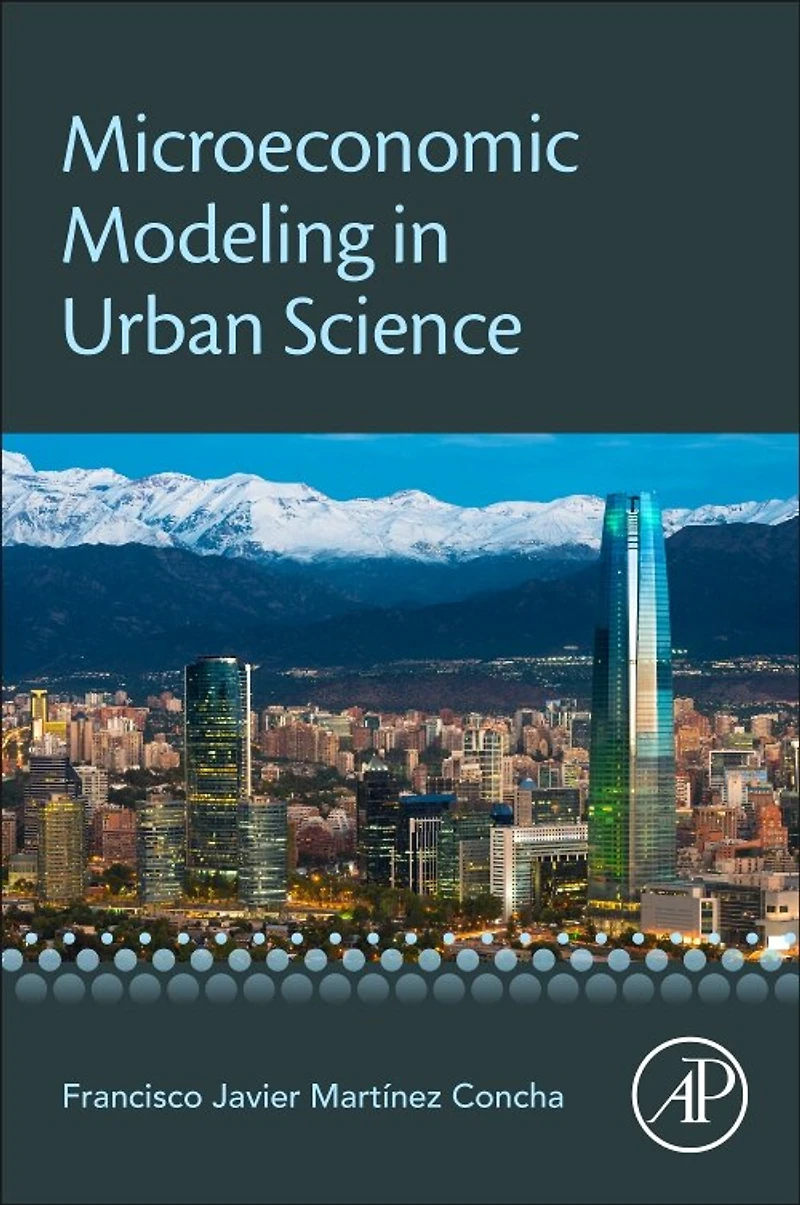
Microeconomic Modeling Urban Science in Brampton, ON
Current price: $141.59
Original price: $177.00
Coles
Microeconomic Modeling Urban Science in Brampton, ON
Current price: $141.59
Original price: $177.00
Loading Inventory...
Size: Kobo eBook
*Product information and pricing may vary - to confirm current pricing, availability, shipping, and return information please contact Coles. In the event of a pricing discrepancy, the retailer's price will apply.
Microeconomic Modeling in Urban Science proposes an interdisciplinary framework for the analysis of urban systems. It portrays agents as rational beings modeled under the framework of random utility behavior and interacting in a complex market of location auctions, location externalities, agglomeration economies, transport accessibility attributes, and planning regulations and incentives. Francisco Javier Martinez Concha considers the optimal planning of cities as he explores interactions between citizens and between citizens and firms, the mesoscopic agglomeration of firms and the segregation of agents'' socioeconomic clusters, and the emergence of city-level scale laws. Its unified model of city life is relevant to micro-, meso- and macro-scale interactions.
Presents a unified, coherent and realistic framework able to simulate complete urban systems
Describes the use of discrete choice and stochastic behavior models in the auction spatial-equilibrium market
Includes computing outputs from Cube-Land modeling using GIS
Microeconomic Modeling in Urban Science proposes an interdisciplinary framework for the analysis of urban systems. It portrays agents as rational beings modeled under the framework of random utility behavior and interacting in a complex market of location auctions, location externalities, agglomeration economies, transport accessibility attributes, and planning regulations and incentives. Francisco Javier Martinez Concha considers the optimal planning of cities as he explores interactions between citizens and between citizens and firms, the mesoscopic agglomeration of firms and the segregation of agents'' socioeconomic clusters, and the emergence of city-level scale laws. Its unified model of city life is relevant to micro-, meso- and macro-scale interactions.
Presents a unified, coherent and realistic framework able to simulate complete urban systems
Describes the use of discrete choice and stochastic behavior models in the auction spatial-equilibrium market
Includes computing outputs from Cube-Land modeling using GIS
You May Also Like










Find at Bramalea City Centre in Brampton, ON
Visit at Bramalea City Centre in Brampton, ON