



Gifting Made Simple
Give the Gift of ChoiceClick below to purchase a Bramalea City Centre eGift Card that can be used at participating retailers at Bramalea City Centre.Purchase HereHome
Microbes at Work: From Wastes to Resources
Coles
Loading Inventory...
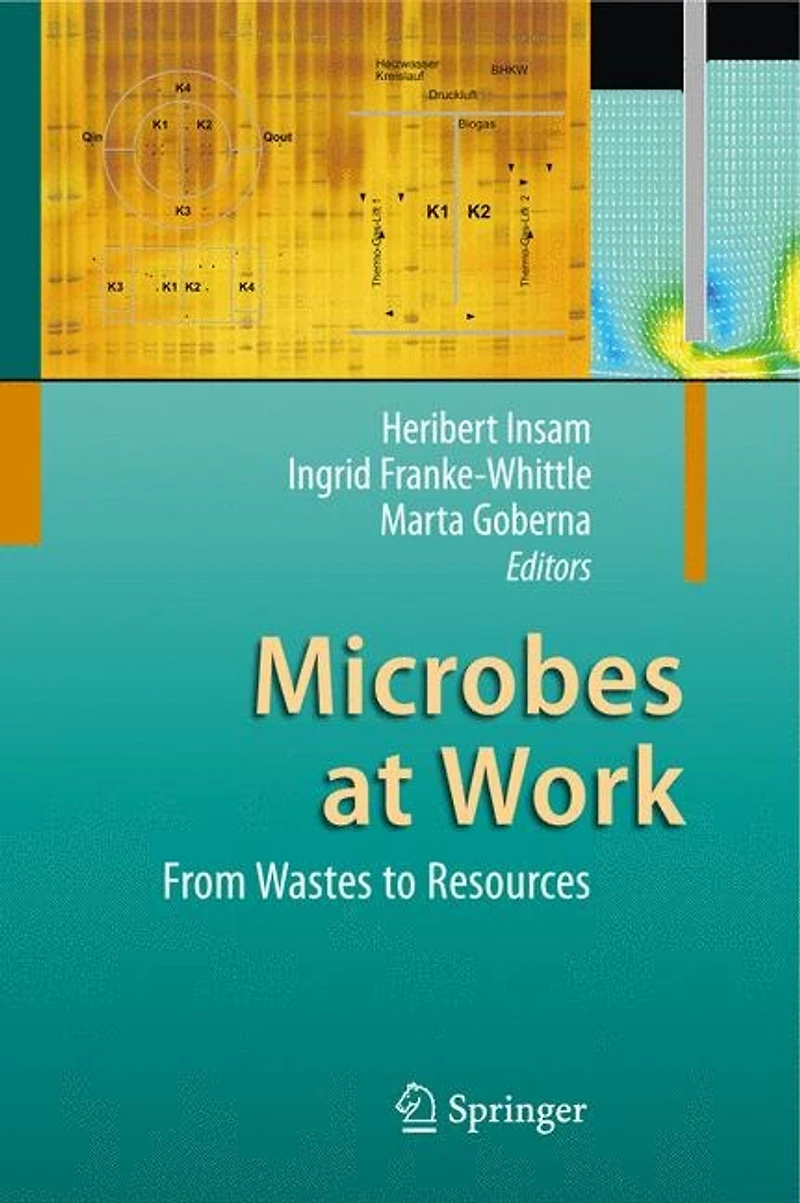
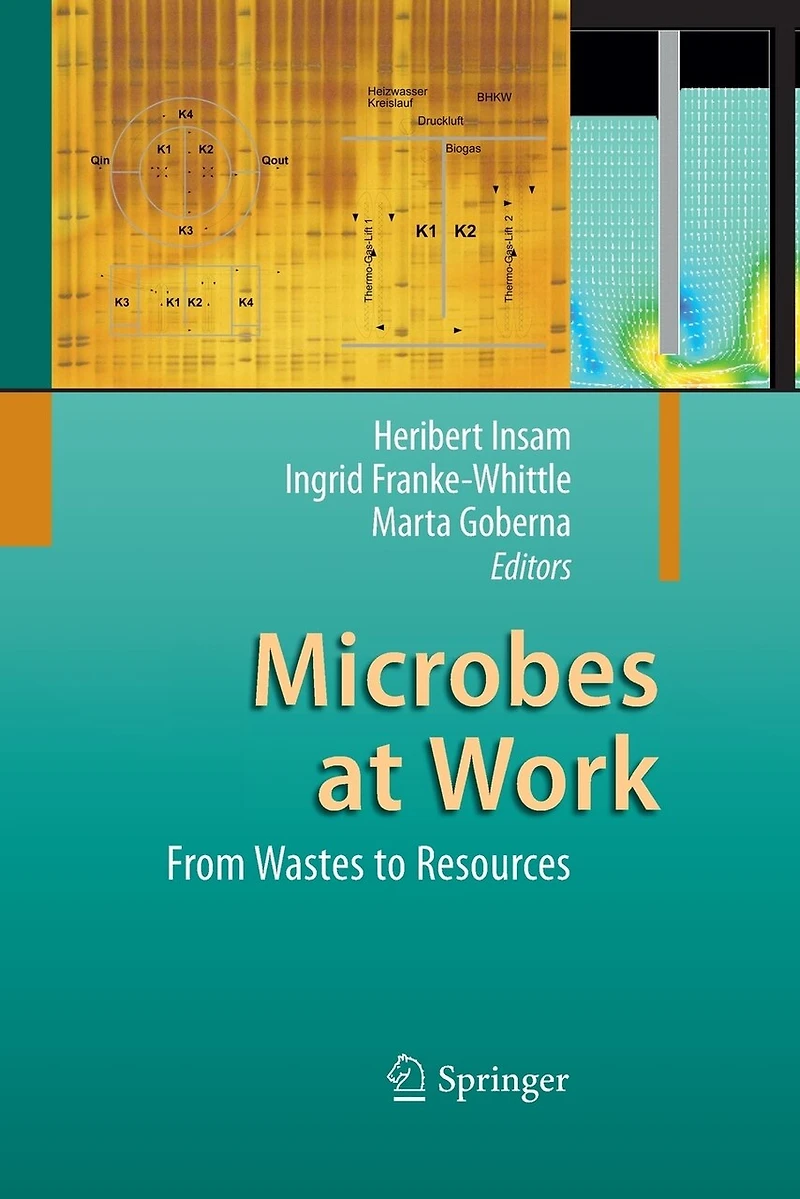
Microbes at Work: From Wastes to Resources in Brampton, ON
Current price: $321.50
Coles
Microbes at Work: From Wastes to Resources in Brampton, ON
Current price: $321.50
Loading Inventory...
Size: Hardcover
*Product information and pricing may vary - to confirm current pricing, availability, shipping, and return information please contact Coles. In the event of a pricing discrepancy, the retailer's price will apply.
Among the goals of environmentally sound waste treatment is the recycling of organic wastes. The most practiced options are composting and anaerobic digestion, both processes being carried out by microorganisms. This book provides an overview of the various ways microbes are doing their job and gives the reader an impression of their potential. The sixteen chapters of this book summarize the advantages and disadvantages of treatment processes, whether they are aerobic like composting or work without oxygen like anaerobic digestion for biogas (methane) production. These chapters show the potential of microorganisms to create valuable resources from otherwise wasted materials. These resources include profitable organic, humus-like soil conditioners or fertilizer components which are often suppressive to plant diseases. Composts may thus improve soil carbon sequestration, or support sustainable agriculture by reducing the need for mineral fertilizers or pesticides. If anaerobic digestion is used, the biogas produced may replace fossil fuels. Thus, proper biological waste treatment with the help of microorganisms should contribute to a reduction of anthropogenic greenhouse gas production.
Among the goals of environmentally sound waste treatment is the recycling of organic wastes. The most practiced options are composting and anaerobic digestion, both processes being carried out by microorganisms. This book provides an overview of the various ways microbes are doing their job and gives the reader an impression of their potential. The sixteen chapters of this book summarize the advantages and disadvantages of treatment processes, whether they are aerobic like composting or work without oxygen like anaerobic digestion for biogas (methane) production. These chapters show the potential of microorganisms to create valuable resources from otherwise wasted materials. These resources include profitable organic, humus-like soil conditioners or fertilizer components which are often suppressive to plant diseases. Composts may thus improve soil carbon sequestration, or support sustainable agriculture by reducing the need for mineral fertilizers or pesticides. If anaerobic digestion is used, the biogas produced may replace fossil fuels. Thus, proper biological waste treatment with the help of microorganisms should contribute to a reduction of anthropogenic greenhouse gas production.










Find at Bramalea City Centre in Brampton, ON
Visit at Bramalea City Centre in Brampton, ON