



Gifting Made Simple
Give the Gift of ChoiceClick below to purchase a Bramalea City Centre eGift Card that can be used at participating retailers at Bramalea City Centre.Purchase HereHome
Microalgae as a Sustainable Source of Green Energy Generation and Bioeconomy
Coles
Loading Inventory...
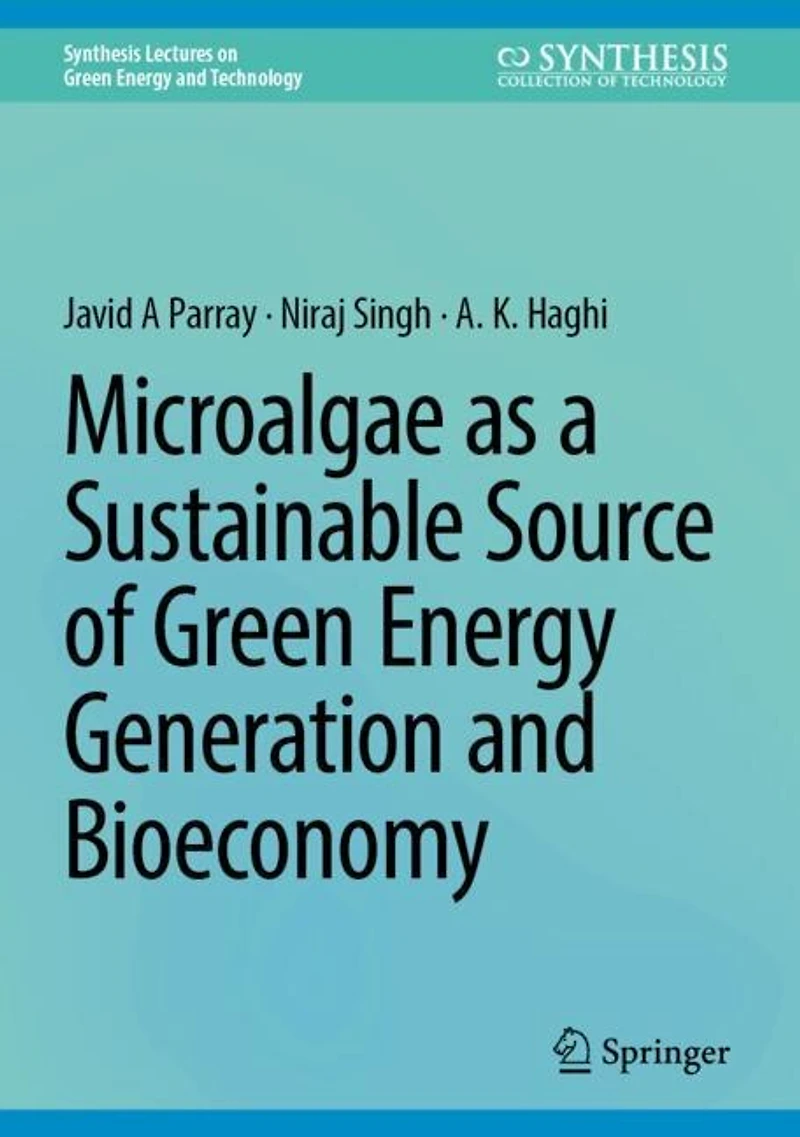
Microalgae as a Sustainable Source of Green Energy Generation and Bioeconomy in Brampton, ON
Current price: $291.95
Coles
Microalgae as a Sustainable Source of Green Energy Generation and Bioeconomy in Brampton, ON
Current price: $291.95
Loading Inventory...
Size: Hardcover
*Product information and pricing may vary - to confirm current pricing, availability, shipping, and return information please contact Coles. In the event of a pricing discrepancy, the retailer's price will apply.
The primary focus of the topic is on the production of energy. Here, energy production typically refers to the conversion of waste algal biomass into various forms of usable energy. This could include electricity, biofuels (e.g., biodiesel, bioethanol), biogas, or other forms of renewable energy. Conversion of algal biomass to fuels via extraction of lipids (and potentially other components), through 'algal lipid upgrading' or ALU pathway, combined algal process (CAP) and parallel algal process (PAP). ALU approach based on a biochemical processing strategy to selectively recover and convert select algal biomass components to fuels, namely carbohydrates to ethanol and lipids to a renewable diesel blendstock (RDB) product. The scope of the topic encompasses the various methods and technologies used to convert waste algal biomass into energy. This could involve processes like anaerobic digestion, fermentation, pyrolysis, hydrothermal liquefaction, or other innovative techniques. The topic may touch upon ongoing research, technological advancements, and potential areas of improvement related to waste algal biomass-based energy production.
The primary focus of the topic is on the production of energy. Here, energy production typically refers to the conversion of waste algal biomass into various forms of usable energy. This could include electricity, biofuels (e.g., biodiesel, bioethanol), biogas, or other forms of renewable energy. Conversion of algal biomass to fuels via extraction of lipids (and potentially other components), through 'algal lipid upgrading' or ALU pathway, combined algal process (CAP) and parallel algal process (PAP). ALU approach based on a biochemical processing strategy to selectively recover and convert select algal biomass components to fuels, namely carbohydrates to ethanol and lipids to a renewable diesel blendstock (RDB) product. The scope of the topic encompasses the various methods and technologies used to convert waste algal biomass into energy. This could involve processes like anaerobic digestion, fermentation, pyrolysis, hydrothermal liquefaction, or other innovative techniques. The topic may touch upon ongoing research, technological advancements, and potential areas of improvement related to waste algal biomass-based energy production.
You May Also Like









Find at Bramalea City Centre in Brampton, ON
Visit at Bramalea City Centre in Brampton, ON