



Gifting Made Simple
Give the Gift of ChoiceClick below to purchase a Bramalea City Centre eGift Card that can be used at participating retailers at Bramalea City Centre.Purchase HereHome
Michel Serres: A Portrait of Italian Humanism
Coles
Loading Inventory...
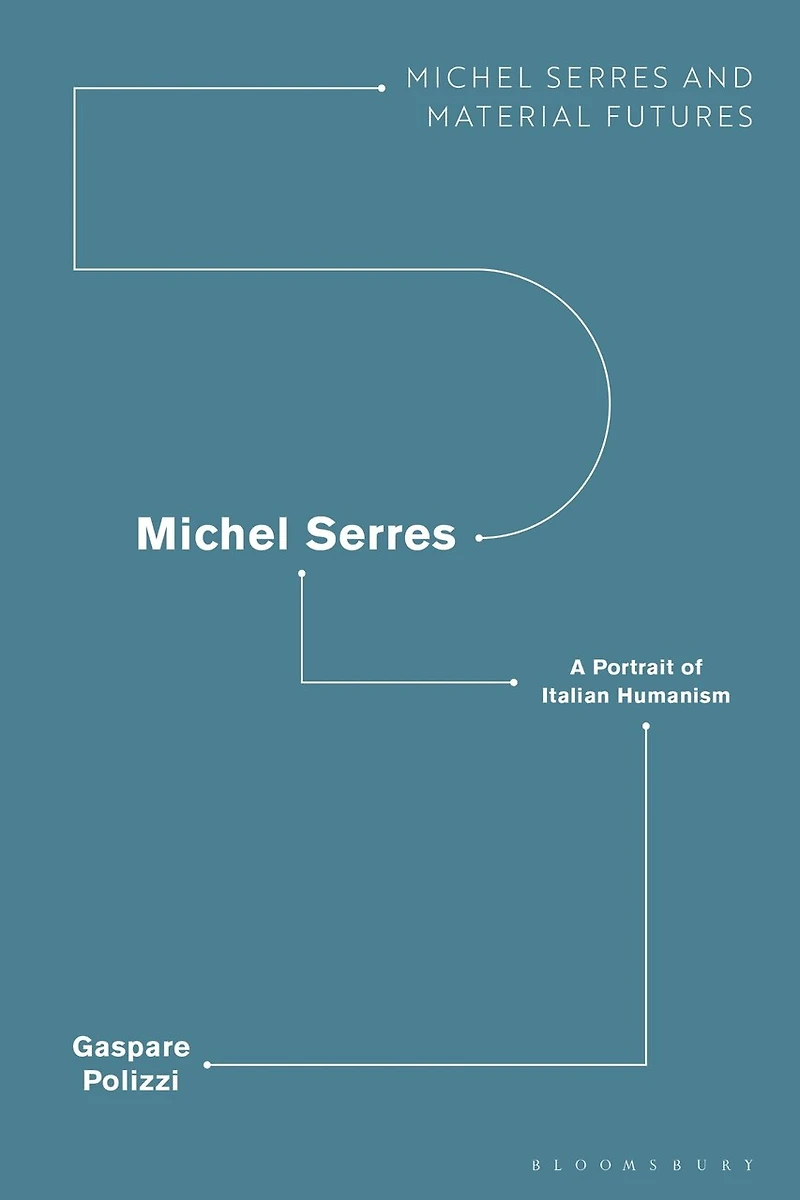
Michel Serres: A Portrait of Italian Humanism in Brampton, ON
Current price: $167.95
Coles
Michel Serres: A Portrait of Italian Humanism in Brampton, ON
Current price: $167.95
Loading Inventory...
Size: Hardcover
*Product information and pricing may vary - to confirm current pricing, availability, shipping, and return information please contact Coles. In the event of a pricing discrepancy, the retailer's price will apply.
This book paints a picture of Michel Serres's 'complex humanism' as rooted in the Italian history and culture that are ever present throughout his work. Serres had a complex view of humanity that can't be boiled down to any single definition, but by understanding his Italian influences it becomes easier to see the big picture in his concept of humanism. In this context, we can more easily confront apparent paradoxes like the nature-inclusive agenda of The Natural Contract and the pessimism of The Parasite . Polizzi explores Serres' use of the sciences, complexity theory, and the cultures of Rome and Catholicism in his vision of complex humanism that respects both the force and the fragility of the planet. He also puts Serres' work into new conversations with concepts like the irreversibility of time and the work of Hungarian philosopher Imre Tóth. Through this rich web of ideas, Polizzi shows how Serres' blending of the sciences and humanities can overcome humanity's parasitic dependence upon the planet and enter into a new and far more peaceable relationship.
This book paints a picture of Michel Serres's 'complex humanism' as rooted in the Italian history and culture that are ever present throughout his work. Serres had a complex view of humanity that can't be boiled down to any single definition, but by understanding his Italian influences it becomes easier to see the big picture in his concept of humanism. In this context, we can more easily confront apparent paradoxes like the nature-inclusive agenda of The Natural Contract and the pessimism of The Parasite . Polizzi explores Serres' use of the sciences, complexity theory, and the cultures of Rome and Catholicism in his vision of complex humanism that respects both the force and the fragility of the planet. He also puts Serres' work into new conversations with concepts like the irreversibility of time and the work of Hungarian philosopher Imre Tóth. Through this rich web of ideas, Polizzi shows how Serres' blending of the sciences and humanities can overcome humanity's parasitic dependence upon the planet and enter into a new and far more peaceable relationship.
You May Also Like










Find at Bramalea City Centre in Brampton, ON
Visit at Bramalea City Centre in Brampton, ON