



Gifting Made Simple
Give the Gift of ChoiceClick below to purchase a Bramalea City Centre eGift Card that can be used at participating retailers at Bramalea City Centre.Purchase HereHome
Mexico-Tenochtitlan: Dynamism at the Center of the World
Coles
Loading Inventory...
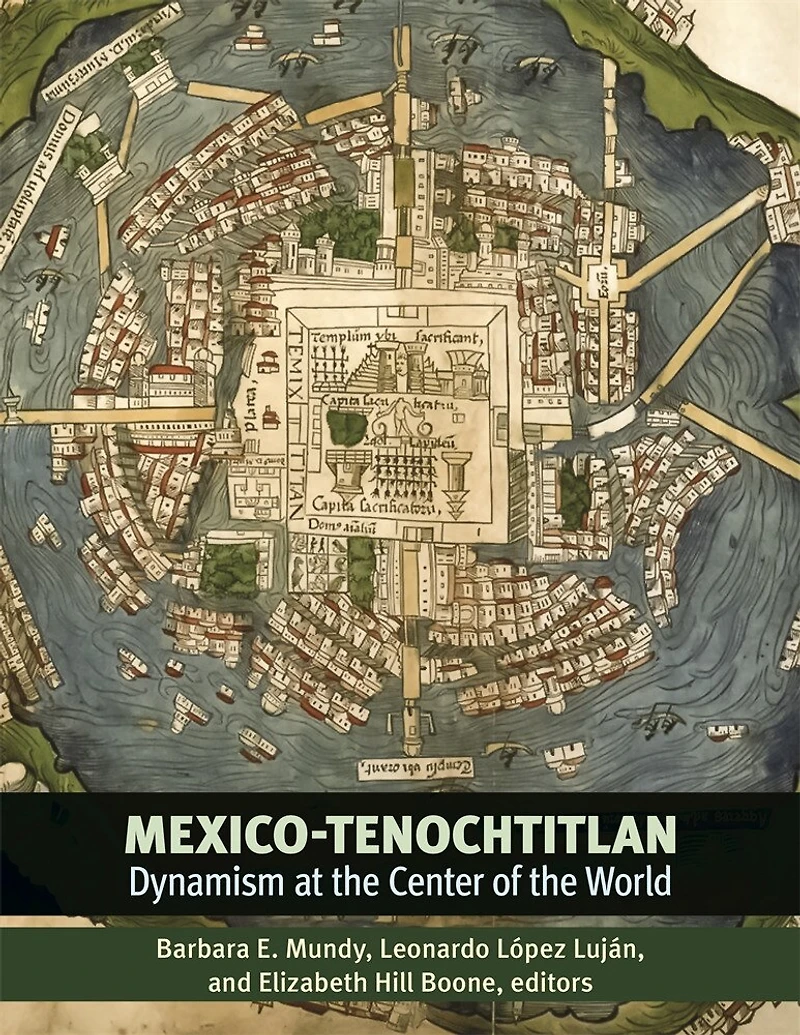
Mexico-Tenochtitlan: Dynamism at the Center of the World in Brampton, ON
Current price: $99.00
Coles
Mexico-Tenochtitlan: Dynamism at the Center of the World in Brampton, ON
Current price: $99.00
Loading Inventory...
Size: Hardcover
*Product information and pricing may vary - to confirm current pricing, availability, shipping, and return information please contact Coles. In the event of a pricing discrepancy, the retailer's price will apply.
Tenochtitlan enjoyed a meteoric rise to power beginning in the fourteenth century, when its leaders transformed it into the political, economic, and spiritual center of the Mexica. Even after its rulership was decapitated following the Spanish invasion of 1519–1521, the city (rechristened Mexico City) remained a dynamic urban center. Mexico-Tenochtitlan: Dynamism at the Center of the World looks anew at the reasons for the city’s rapid consolidation and enduring status as an imperial capital. Commemorating the 500th anniversary of the fall of Tenochtitlan, the thirteen chapters of this volume highlight recent discoveries brought to light by archaeological and archival research; discuss excavations of offerings, burials, and skull racks as the physical residue of ephemeral performances; and examine sculptures, manuscripts, ritual objects, and luxury items as indices of artistic production and imperial ideologies. By setting continuities against the backdrop of regime change, particularly in the Indigenous sphere and among Indigenous actors, these chapters, written by archaeologists, art historians, and object conservators enable us to see how phenomena forged in the pre-Hispanic period were carried across the sixteenth century.
Tenochtitlan enjoyed a meteoric rise to power beginning in the fourteenth century, when its leaders transformed it into the political, economic, and spiritual center of the Mexica. Even after its rulership was decapitated following the Spanish invasion of 1519–1521, the city (rechristened Mexico City) remained a dynamic urban center. Mexico-Tenochtitlan: Dynamism at the Center of the World looks anew at the reasons for the city’s rapid consolidation and enduring status as an imperial capital. Commemorating the 500th anniversary of the fall of Tenochtitlan, the thirteen chapters of this volume highlight recent discoveries brought to light by archaeological and archival research; discuss excavations of offerings, burials, and skull racks as the physical residue of ephemeral performances; and examine sculptures, manuscripts, ritual objects, and luxury items as indices of artistic production and imperial ideologies. By setting continuities against the backdrop of regime change, particularly in the Indigenous sphere and among Indigenous actors, these chapters, written by archaeologists, art historians, and object conservators enable us to see how phenomena forged in the pre-Hispanic period were carried across the sixteenth century.
You May Also Like










Find at Bramalea City Centre in Brampton, ON
Visit at Bramalea City Centre in Brampton, ON