



Gifting Made Simple
Give the Gift of ChoiceClick below to purchase a Bramalea City Centre eGift Card that can be used at participating retailers at Bramalea City Centre.Purchase HereHome
Mendel's Ark: Biotechnology and the Future of Extinction
Coles
Loading Inventory...
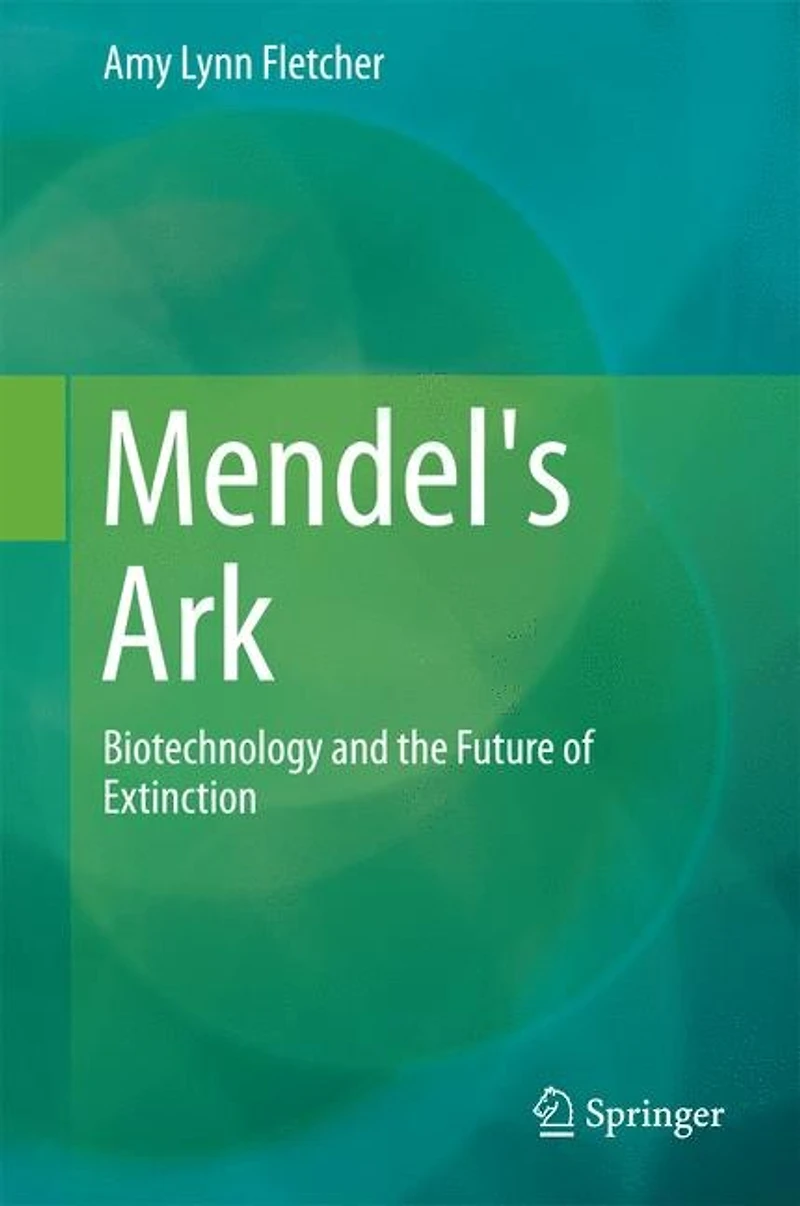
Mendel's Ark: Biotechnology and the Future of Extinction in Brampton, ON
Current price: $160.95
Coles
Mendel's Ark: Biotechnology and the Future of Extinction in Brampton, ON
Current price: $160.95
Loading Inventory...
Size: Hardcover
*Product information and pricing may vary - to confirm current pricing, availability, shipping, and return information please contact Coles. In the event of a pricing discrepancy, the retailer's price will apply.
Does extinction have to be forever? As the global extinction crisis accelerates, conservationists and policy-makers increasingly use advanced biotechnologies such as reproductive cloning, polymerase chain reaction (PCR) and bioinformatics in the urgent effort to save species. Mendel's Ark considers the ethical, cultural and social implications of using these tools for wildlife conservation. Drawing upon sources ranging from science to science fiction, it focuses on the stories we tell about extinction and the meanings we ascribe to nature and technology. The use of biotechnology in conservation is redrawing the boundaries between animals and machines, nature and artifacts, and life and death. The new rhetoric and practice of de-extinction will thus have significant repercussions for wilderness and for society. The degree to which we engage collectively with both the prosaic and the fantastic aspects of biotechnological conservation will shape the boundaries and ethics of our desire to restore lost worlds.
Does extinction have to be forever? As the global extinction crisis accelerates, conservationists and policy-makers increasingly use advanced biotechnologies such as reproductive cloning, polymerase chain reaction (PCR) and bioinformatics in the urgent effort to save species. Mendel's Ark considers the ethical, cultural and social implications of using these tools for wildlife conservation. Drawing upon sources ranging from science to science fiction, it focuses on the stories we tell about extinction and the meanings we ascribe to nature and technology. The use of biotechnology in conservation is redrawing the boundaries between animals and machines, nature and artifacts, and life and death. The new rhetoric and practice of de-extinction will thus have significant repercussions for wilderness and for society. The degree to which we engage collectively with both the prosaic and the fantastic aspects of biotechnological conservation will shape the boundaries and ethics of our desire to restore lost worlds.
You May Also Like










Find at Bramalea City Centre in Brampton, ON
Visit at Bramalea City Centre in Brampton, ON