



Gifting Made Simple
Give the Gift of ChoiceClick below to purchase a Bramalea City Centre eGift Card that can be used at participating retailers at Bramalea City Centre.Purchase HereHome
Memphis Then and Now®
Coles
Loading Inventory...
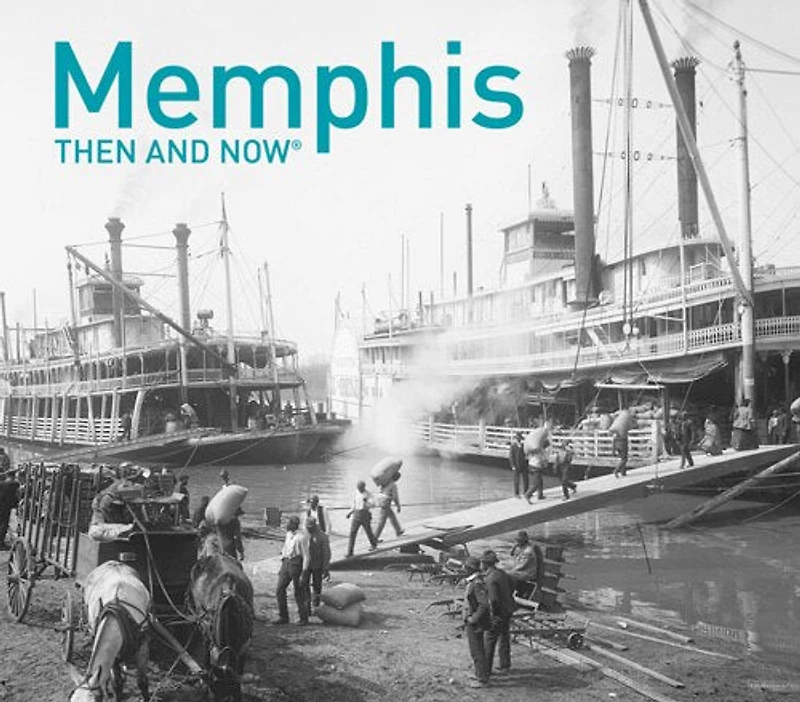
Memphis Then and Now® in Brampton, ON
By None
Current price: $26.95
Coles
Memphis Then and Now® in Brampton, ON
By None
Current price: $26.95
Loading Inventory...
Size: Hardcover
*Product information and pricing may vary - to confirm current pricing, availability, shipping, and return information please contact Coles. In the event of a pricing discrepancy, the retailer's price will apply.
Using archive photos matched with the same viewpoint today, Memphis Then and Now charts 150 years of Memphis history.Born as a planned community that was partly owned by Andrew Jackson, Memphis grew on a steady diet of cotton. The second largest cotton supplier in the world, Memphis’s location on the fourth bluff of the Chickasaw River kept it free from flooding and helped the city develop its lucrative trade.Using archive pictures from the 1870s though to the 1960s paired with the equivalent view today, Memphis Then and Now charts the history of the city and the profound effect of the music business; from W. C. Handy and Beale Street, to Stax Records, Sun Records and the home of the King, Graceland. It also includes the railroad station from which Casey Jones departed on his final, fatal run in 1900.Includes: Memphis Levee, Cossitt Library, US Post Office, Beale Street, Handy Park, Warner Theatre, Columbian Mutual, Orpheum Theatre, Hebe Fountain, Union Avenue, Magevney House, Handwerker Gingerbread Playhouse, Shelby County Courthouse, St. Peter’s Catholic Church, Memphis Cotton Exchange, First National Bank, Illinois Central Station, City Hall, Masonic Temple, Peabody Hotel and the Tennessee Brewing Company.
Using archive photos matched with the same viewpoint today, Memphis Then and Now charts 150 years of Memphis history.Born as a planned community that was partly owned by Andrew Jackson, Memphis grew on a steady diet of cotton. The second largest cotton supplier in the world, Memphis’s location on the fourth bluff of the Chickasaw River kept it free from flooding and helped the city develop its lucrative trade.Using archive pictures from the 1870s though to the 1960s paired with the equivalent view today, Memphis Then and Now charts the history of the city and the profound effect of the music business; from W. C. Handy and Beale Street, to Stax Records, Sun Records and the home of the King, Graceland. It also includes the railroad station from which Casey Jones departed on his final, fatal run in 1900.Includes: Memphis Levee, Cossitt Library, US Post Office, Beale Street, Handy Park, Warner Theatre, Columbian Mutual, Orpheum Theatre, Hebe Fountain, Union Avenue, Magevney House, Handwerker Gingerbread Playhouse, Shelby County Courthouse, St. Peter’s Catholic Church, Memphis Cotton Exchange, First National Bank, Illinois Central Station, City Hall, Masonic Temple, Peabody Hotel and the Tennessee Brewing Company.
You May Also Like












More About Coles at Bramalea City Centre
Making Connections. Creating Experiences. We exist to add a little joy to our customers’ lives, each time they interact with us.
Store Info
Find Coles at Bramalea City Centre in Brampton, ON
Visit Coles at Bramalea City Centre in Brampton, ON