



Gifting Made Simple
Give the Gift of ChoiceClick below to purchase a Bramalea City Centre eGift Card that can be used at participating retailers at Bramalea City Centre.Purchase HereHome
Mao and the Chinese Revolution
Coles
Loading Inventory...
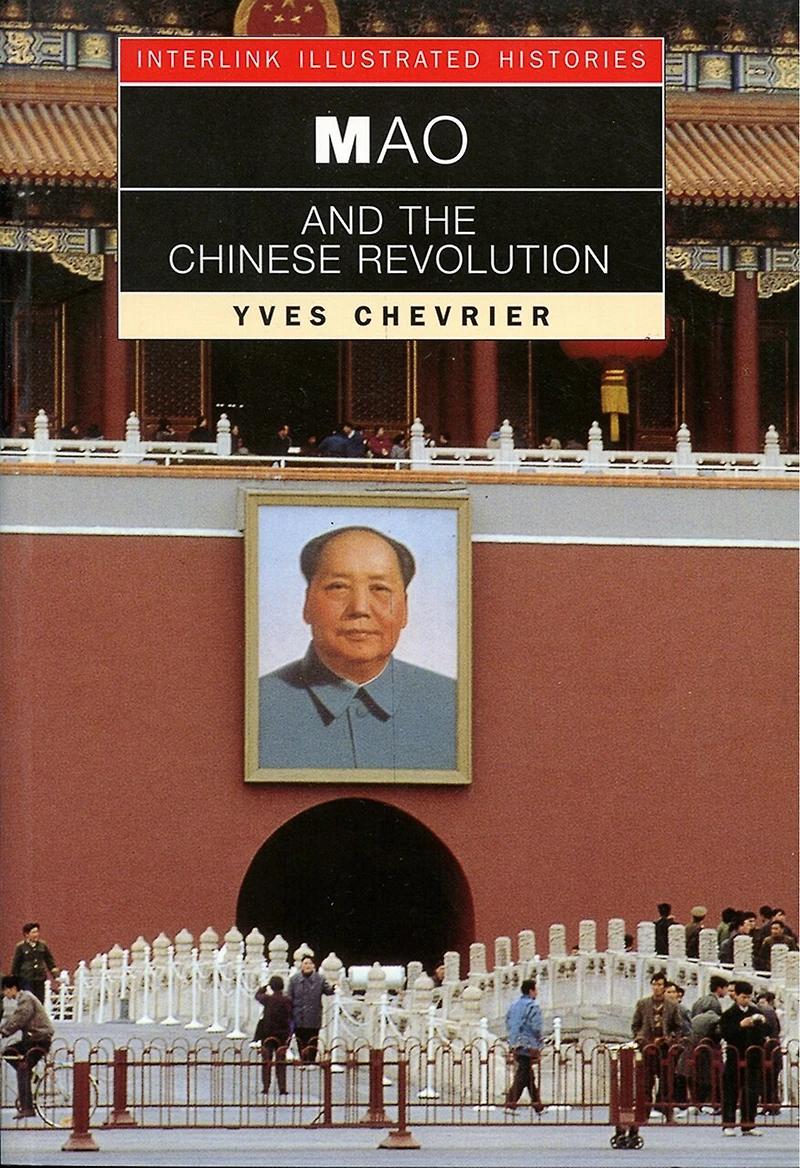
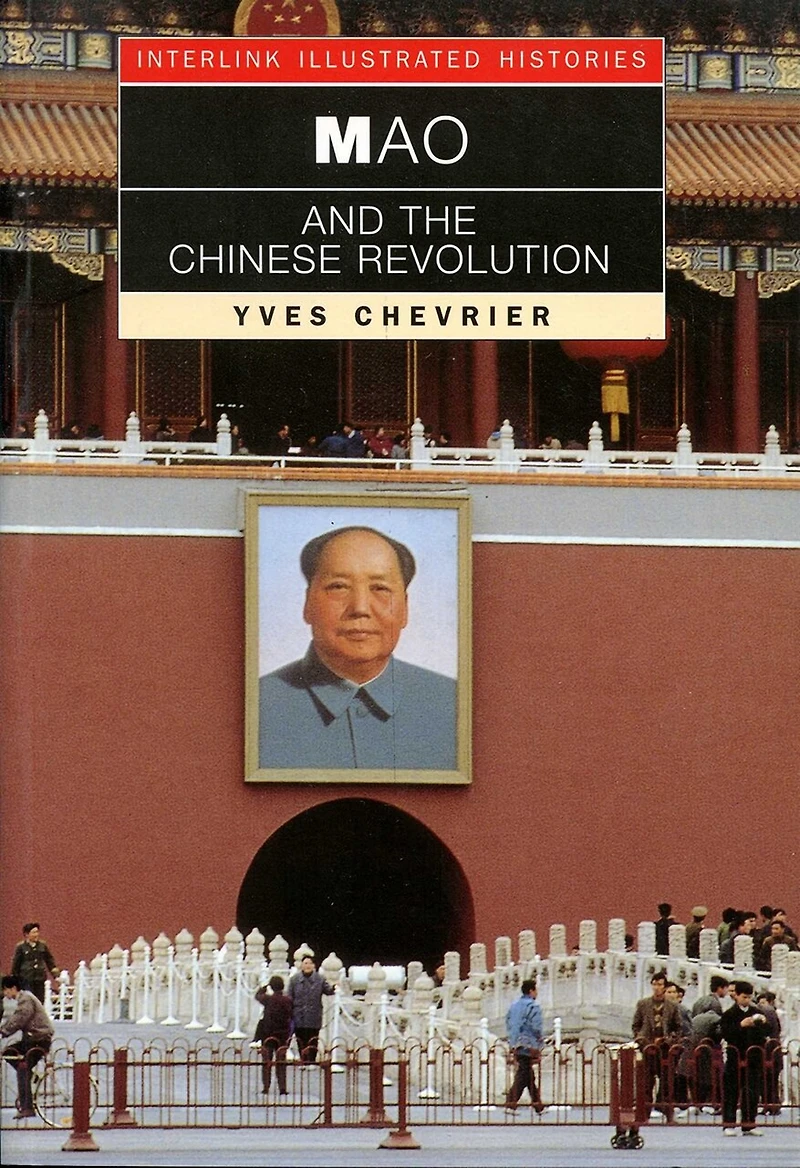
Mao and the Chinese Revolution in Brampton, ON
Current price: $21.95
Coles
Mao and the Chinese Revolution in Brampton, ON
Current price: $21.95
Loading Inventory...
Size: Paperback (2004)
*Product information and pricing may vary - to confirm current pricing, availability, shipping, and return information please contact Coles. In the event of a pricing discrepancy, the retailer's price will apply.
An illustrated exploration of one of China's most controversial, influential, and polarizing figures in modern history.
It has been more than a century since the birth of Mao Zedong. From the collapse of the old Chinese Empire in 1912 to the foundation of the People’s Republic in 1949, his history is linked with that of contemporary China, and beyond national borders, with the history of communism as well. His version of guerilla warfare and revolution resulted in the construction of a socialist society that became a model of socialism throughout the world.
Both a tyrant and rebel, Mao wanted to rule through revolution. Yet the Big Leap Forward (1958) and the Cultural Revolution (1966) each plunged China into chaos without saving it from totalitarianism. After 1978, de-Maoization and economic reforms by Deng Xiaoping helped heal the country’s wounds, but the future yet remains uncertain. Whether to be an empire united or broken, serenely "open" or in conflict, democratic or authoritarian, egalitarian or prosperous—so many lingering questions remain of those that Mao and his generation began asking nearly a century ago. Was the Maoist Revolution futile? Would China have been better off without Mao—and is such a thing imaginable?
An illustrated exploration of one of China's most controversial, influential, and polarizing figures in modern history.
It has been more than a century since the birth of Mao Zedong. From the collapse of the old Chinese Empire in 1912 to the foundation of the People’s Republic in 1949, his history is linked with that of contemporary China, and beyond national borders, with the history of communism as well. His version of guerilla warfare and revolution resulted in the construction of a socialist society that became a model of socialism throughout the world.
Both a tyrant and rebel, Mao wanted to rule through revolution. Yet the Big Leap Forward (1958) and the Cultural Revolution (1966) each plunged China into chaos without saving it from totalitarianism. After 1978, de-Maoization and economic reforms by Deng Xiaoping helped heal the country’s wounds, but the future yet remains uncertain. Whether to be an empire united or broken, serenely "open" or in conflict, democratic or authoritarian, egalitarian or prosperous—so many lingering questions remain of those that Mao and his generation began asking nearly a century ago. Was the Maoist Revolution futile? Would China have been better off without Mao—and is such a thing imaginable?
You May Also Like








Find at Bramalea City Centre in Brampton, ON
Visit at Bramalea City Centre in Brampton, ON