



Gifting Made Simple
Give the Gift of ChoiceClick below to purchase a Bramalea City Centre eGift Card that can be used at participating retailers at Bramalea City Centre.Purchase HereHome
Man’yōshū (Book 5): A New Translation Containing the Original Text, Kana Transliteration, Romanization, Glossing and Commentary
Coles
Loading Inventory...
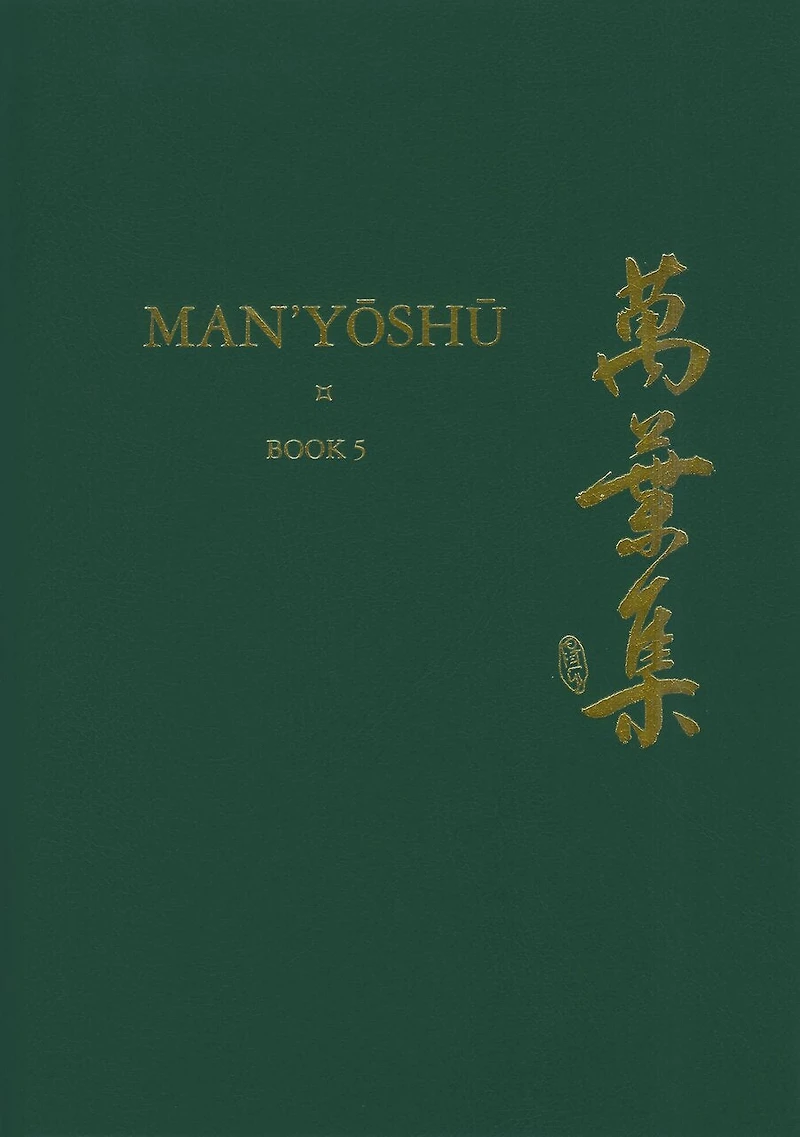
Man’yōshū (Book 5): A New Translation Containing the Original Text, Kana Transliteration, Romanization, Glossing and Commentary in Brampton, ON
Current price: $193.99
Coles
Man’yōshū (Book 5): A New Translation Containing the Original Text, Kana Transliteration, Romanization, Glossing and Commentary in Brampton, ON
Current price: $193.99
Loading Inventory...
Size: Hardcover
*Product information and pricing may vary - to confirm current pricing, availability, shipping, and return information please contact Coles. In the event of a pricing discrepancy, the retailer's price will apply.
This is the second volume to be published in the 20-volume set. It includes 114 poems (104 tanka , ten choka ), traditionally considered to be the zoka genre, although some of them can be classified as benka , since they deal with death and sorrow. It also contains two poems in Chinese.
The volume has several long introductions (all written in Chinese) to the poems that follow. All the poems in this volume were composed between AD 724 and 733, which represents a much greater homogeneity in comparison to books one to four. Most of the poems were written by Yamanoue-no Okura (AD660-733), one of the greatest Man’yōshū poets, who was possibly a Korean from Kudara (Paekche), or at least a descendant of Kudara immigrants to Japan.
The spelling system in this volume is predominantly phonographic, with only a few exceptions. In addition, the spelling system appears to reflect Early Western Old Japanese, as demonstrated by Bentley (1997, 2002). The same can be said about its overall grammatical features.
This is the second volume to be published in the 20-volume set. It includes 114 poems (104 tanka , ten choka ), traditionally considered to be the zoka genre, although some of them can be classified as benka , since they deal with death and sorrow. It also contains two poems in Chinese.
The volume has several long introductions (all written in Chinese) to the poems that follow. All the poems in this volume were composed between AD 724 and 733, which represents a much greater homogeneity in comparison to books one to four. Most of the poems were written by Yamanoue-no Okura (AD660-733), one of the greatest Man’yōshū poets, who was possibly a Korean from Kudara (Paekche), or at least a descendant of Kudara immigrants to Japan.
The spelling system in this volume is predominantly phonographic, with only a few exceptions. In addition, the spelling system appears to reflect Early Western Old Japanese, as demonstrated by Bentley (1997, 2002). The same can be said about its overall grammatical features.
You May Also Like








Find at Bramalea City Centre in Brampton, ON
Visit at Bramalea City Centre in Brampton, ON