



Gifting Made Simple
Give the Gift of ChoiceClick below to purchase a Bramalea City Centre eGift Card that can be used at participating retailers at Bramalea City Centre.Purchase HereHome
Man Bac: The Excavation of a Neolithic Site in Northern Vietnam
Coles
Loading Inventory...
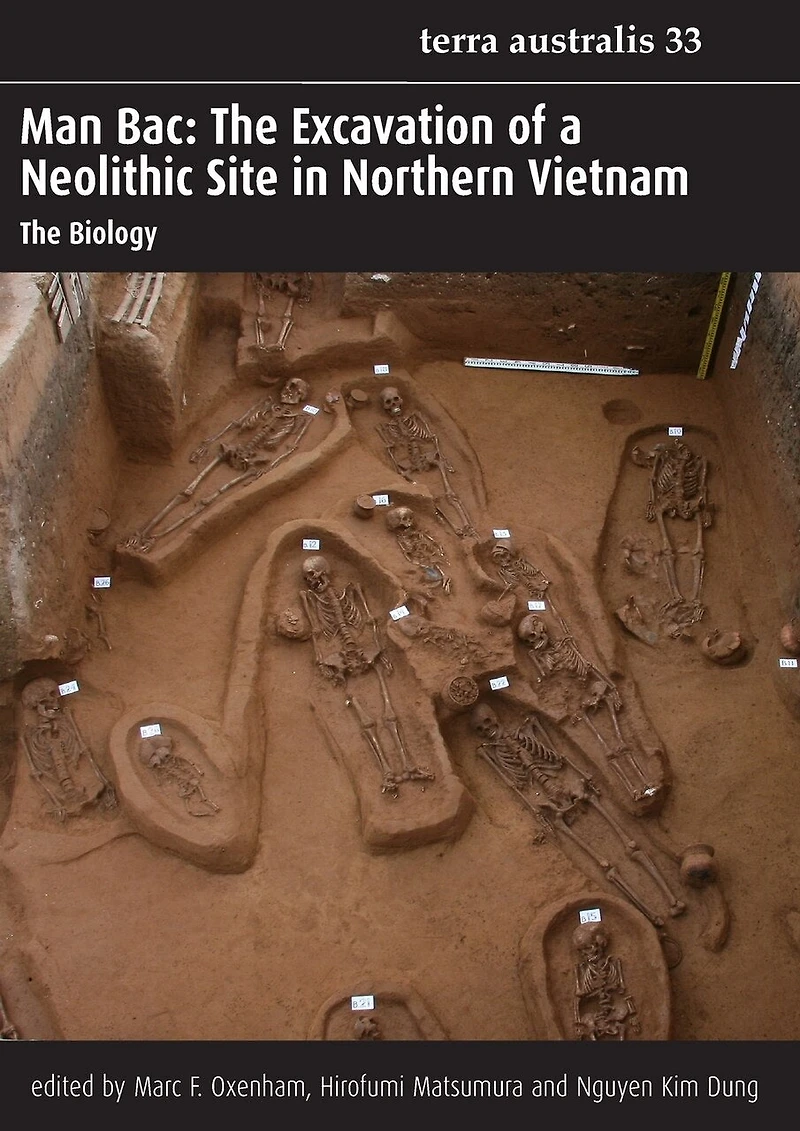
Man Bac: The Excavation of a Neolithic Site in Northern Vietnam in Brampton, ON
Current price: $54.12
Coles
Man Bac: The Excavation of a Neolithic Site in Northern Vietnam in Brampton, ON
Current price: $54.12
Loading Inventory...
Size: Paperback
*Product information and pricing may vary - to confirm current pricing, availability, shipping, and return information please contact Coles. In the event of a pricing discrepancy, the retailer's price will apply.
The site of Man Bac in the Red River Delta of Vietnam, one of the most meticulously excavated and carefully analysed of Southeast Asian archaeological sites in the past few years, is emerging as a key site in the region. This book carefully analyses the human and animal remains and puts them into context. The authors describe in detail the health status, the unusual demographic profile and the interestingly divergent affinities of the cemetery population, and discuss their meaning, particularly in association with evidence for the use of marine and terrestrial animal resources; they argue convincingly that the site documents a time when the face of the region's population was undergoing a fundamental shift, associated with a changing economic subsistence base. Physical anthropologists and archaeologists have argued for years over the timeline, the manner and the very nature of Southeast Asian population history, and this book is essential reading in this debate. Two supporting appendices describe the individual remains in detail.
The site of Man Bac in the Red River Delta of Vietnam, one of the most meticulously excavated and carefully analysed of Southeast Asian archaeological sites in the past few years, is emerging as a key site in the region. This book carefully analyses the human and animal remains and puts them into context. The authors describe in detail the health status, the unusual demographic profile and the interestingly divergent affinities of the cemetery population, and discuss their meaning, particularly in association with evidence for the use of marine and terrestrial animal resources; they argue convincingly that the site documents a time when the face of the region's population was undergoing a fundamental shift, associated with a changing economic subsistence base. Physical anthropologists and archaeologists have argued for years over the timeline, the manner and the very nature of Southeast Asian population history, and this book is essential reading in this debate. Two supporting appendices describe the individual remains in detail.
You May Also Like











Find at Bramalea City Centre in Brampton, ON
Visit at Bramalea City Centre in Brampton, ON