



Gifting Made Simple
Give the Gift of ChoiceClick below to purchase a Bramalea City Centre eGift Card that can be used at participating retailers at Bramalea City Centre.Purchase HereHome
Making Mala: Malaita in Solomon Islands, 1870s-1930s
Coles
Loading Inventory...
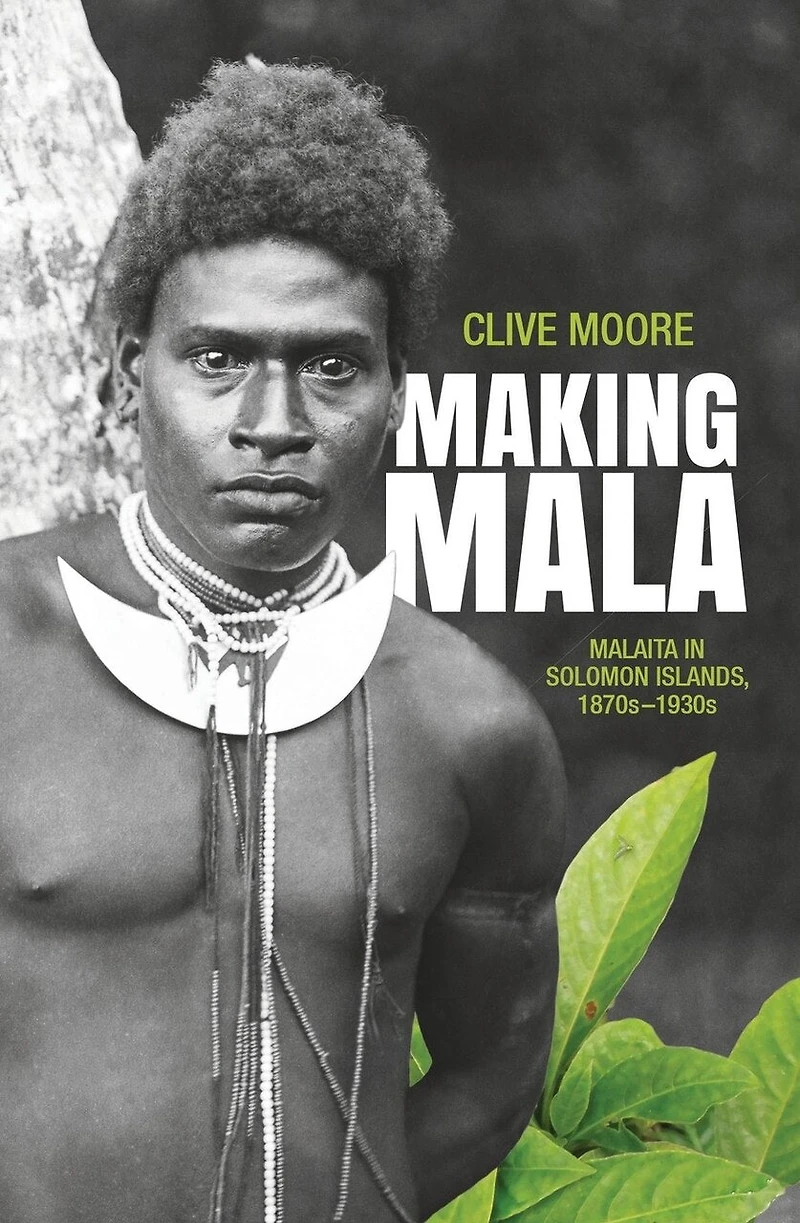
Making Mala: Malaita in Solomon Islands, 1870s-1930s in Brampton, ON
Current price: $73.78
Coles
Making Mala: Malaita in Solomon Islands, 1870s-1930s in Brampton, ON
Current price: $73.78
Loading Inventory...
Size: Paperback
*Product information and pricing may vary - to confirm current pricing, availability, shipping, and return information please contact Coles. In the event of a pricing discrepancy, the retailer's price will apply.
Malaita is one of the major islands in the Solomons Archipelago and has the largest population in the Solomon Islands nation. Its people have an undeserved reputation for conservatism and aggression. Making Mala argues that in essence Malaitans are no different from other Solomon Islanders, and that their dominance, both in numbers and their place in the modern nation, can be explained through their recent history. A grounding theme of the book is its argument that, far than being conservative, Malaitan religions and cultures have always been adaptable and have proved remarkably flexible in accommodating change. This has been the secret of Malaitan success. Malaitans rocked the foundations of the British protectorate during the protonationalist Maasina Rule movement in the 1940s and the early 1950s, have heavily engaged in internal migration, particularly to urban areas, and were central to the 'Tension Years' between 1998 and 2003. Making Mala reassesses Malaita's history, demolishes undeserved tropes and uses historical and cultural analyses to explain Malaitans' place in the Solomon Islands nation today.
Malaita is one of the major islands in the Solomons Archipelago and has the largest population in the Solomon Islands nation. Its people have an undeserved reputation for conservatism and aggression. Making Mala argues that in essence Malaitans are no different from other Solomon Islanders, and that their dominance, both in numbers and their place in the modern nation, can be explained through their recent history. A grounding theme of the book is its argument that, far than being conservative, Malaitan religions and cultures have always been adaptable and have proved remarkably flexible in accommodating change. This has been the secret of Malaitan success. Malaitans rocked the foundations of the British protectorate during the protonationalist Maasina Rule movement in the 1940s and the early 1950s, have heavily engaged in internal migration, particularly to urban areas, and were central to the 'Tension Years' between 1998 and 2003. Making Mala reassesses Malaita's history, demolishes undeserved tropes and uses historical and cultural analyses to explain Malaitans' place in the Solomon Islands nation today.
You May Also Like











Find at Bramalea City Centre in Brampton, ON
Visit at Bramalea City Centre in Brampton, ON