



Gifting Made Simple
Give the Gift of ChoiceClick below to purchase a Bramalea City Centre eGift Card that can be used at participating retailers at Bramalea City Centre.Purchase HereHome
Lutheran Theology: A Critical Introduction
Coles
Loading Inventory...
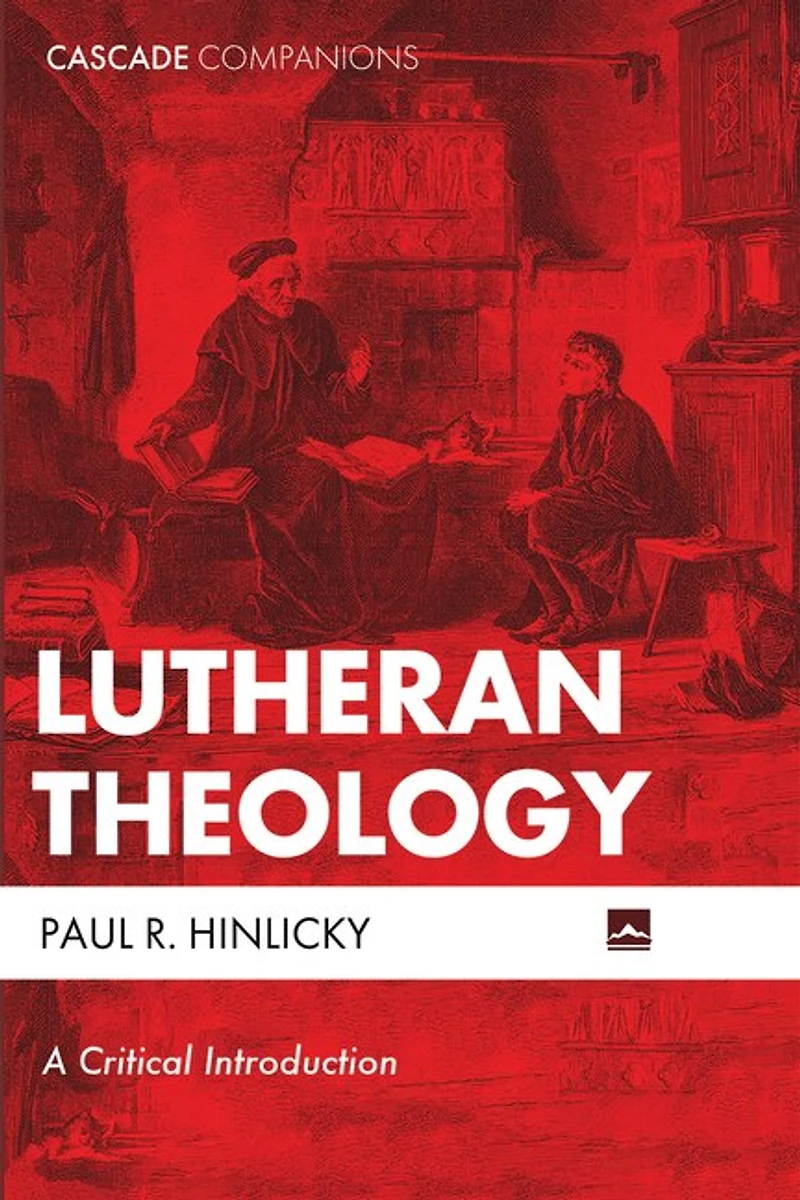
Lutheran Theology: A Critical Introduction in Brampton, ON
Current price: $64.00
Coles
Lutheran Theology: A Critical Introduction in Brampton, ON
Current price: $64.00
Loading Inventory...
Size: Hardcover
*Product information and pricing may vary - to confirm current pricing, availability, shipping, and return information please contact Coles. In the event of a pricing discrepancy, the retailer's price will apply.
In this book Lutheran theologian Paul Hinlicky makes the deeply conflicted origins of Lutheran theology fruitful for the future. Exploring this intellectual and spiritual tradition of thought through its major historical chapters, Hinlicky rejects essentialist projects, exposing the debilitating binaries such programs engender and perpetuate, to establish an authentic Luther-theology or Lutheran theology. Hinlicky excavates the ways that throughout a five-hundred-year tradition the legacy of Luther texts has been appropriated, retooled, subverted, or developed. Readers of this introduction will thus be critically equipped to make intellectually honest appropriations of the Luther legacy in the plurality of contemporary contexts in which this iteration of Christian theology will continue.
In this book Lutheran theologian Paul Hinlicky makes the deeply conflicted origins of Lutheran theology fruitful for the future. Exploring this intellectual and spiritual tradition of thought through its major historical chapters, Hinlicky rejects essentialist projects, exposing the debilitating binaries such programs engender and perpetuate, to establish an authentic Luther-theology or Lutheran theology. Hinlicky excavates the ways that throughout a five-hundred-year tradition the legacy of Luther texts has been appropriated, retooled, subverted, or developed. Readers of this introduction will thus be critically equipped to make intellectually honest appropriations of the Luther legacy in the plurality of contemporary contexts in which this iteration of Christian theology will continue.
You May Also Like











Find at Bramalea City Centre in Brampton, ON
Visit at Bramalea City Centre in Brampton, ON