



Gifting Made Simple
Give the Gift of ChoiceClick below to purchase a Bramalea City Centre eGift Card that can be used at participating retailers at Bramalea City Centre.Purchase HereHome
Lost Fatherland: Europeans between Empire and Nation-States, 1867-1939
Coles
Loading Inventory...
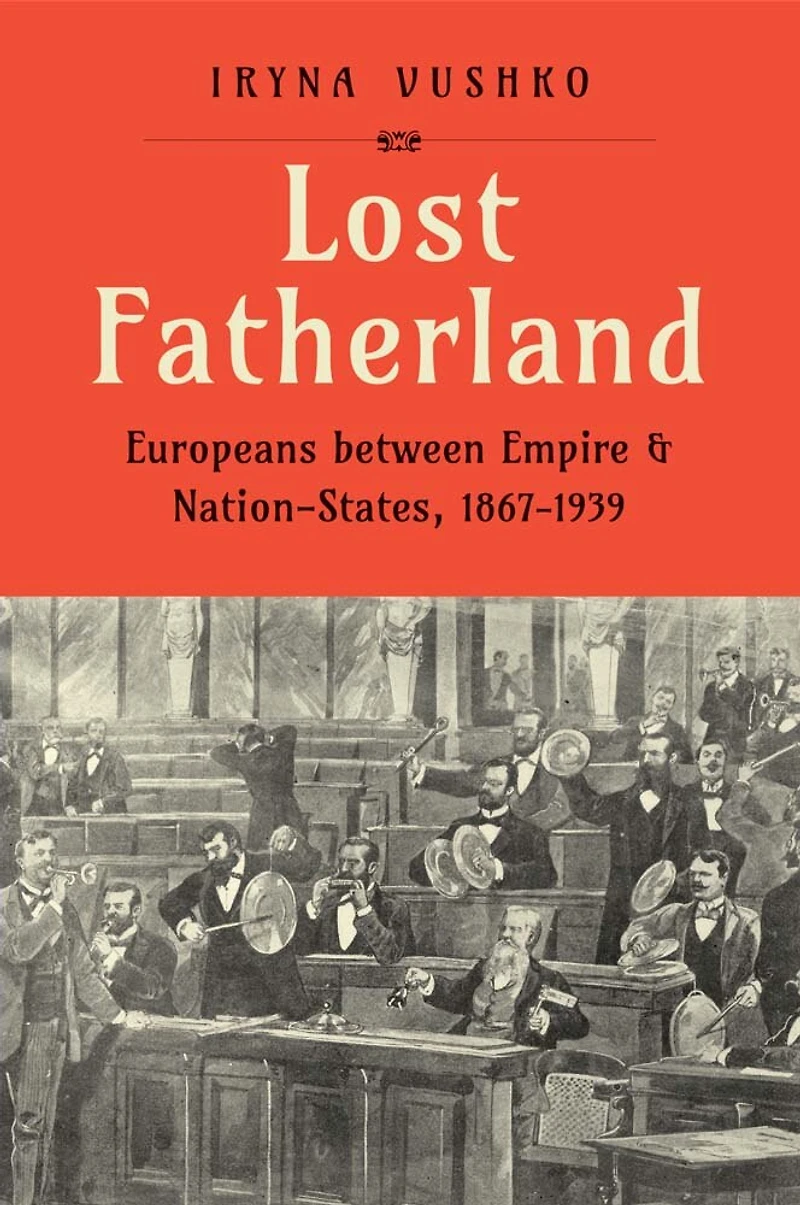
Lost Fatherland: Europeans between Empire and Nation-States, 1867-1939 in Brampton, ON
Current price: $45.50
Coles
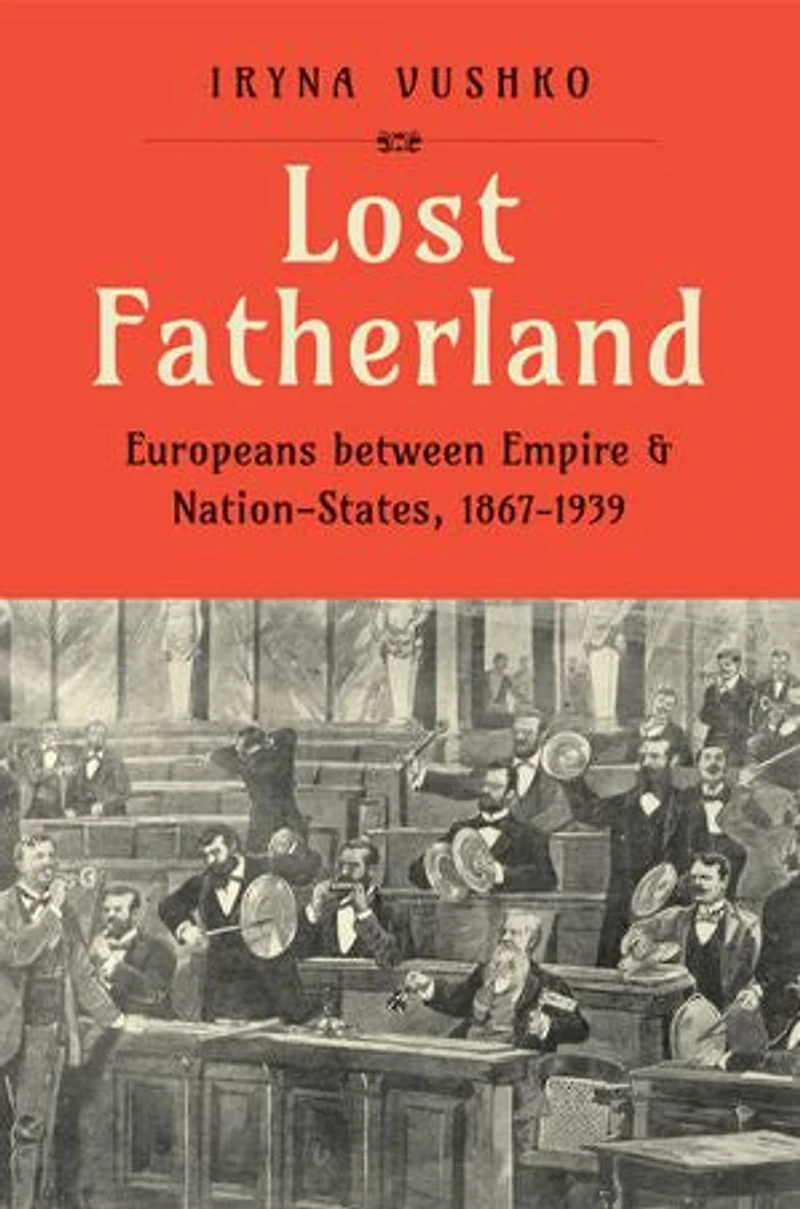
Lost Fatherland: Europeans between Empire and Nation-States, 1867-1939 in Brampton, ON
Current price: $45.50
Loading Inventory...
Size: Hardcover
*Product information and pricing may vary - to confirm current pricing, availability, shipping, and return information please contact Coles. In the event of a pricing discrepancy, the retailer's price will apply.
How the demise of the Habsburg Empire, postwar sovereignty, and new diplomatic frontiers shaped the nature of citizenship, identity, and belonging across Europe
This book is a collective portrait of twenty-one key statesmen who came of age during the Habsburg Empire. They include the cofounder of Austro-Marxism and the Austrian republic’s first foreign minister, the cofounder of the European Union after the Second World War, the founder of the Communist Party of Czechoslovakia, and Mussolini’s ambassador to Vienna. Some survived the First World War and the resulting geographical divisions in their homelands, and some went on to serve in politics and governments throughout Europe.
Taken together, the stories of these men offer readers a window on broad issues of European history in the late nineteenth and early twentieth centuries—chiefly, how an imperial heritage, a shared vision of statehood and nationalism, and a commitment to peaceful conflict resolution helped establish enduring loyalty and unity despite the geographical fault lines resulting from the war. As Iryna Vushko explains, their stories also offer an increasingly nuanced understanding of the achievements and failures of the Habsburg Empire.
How the demise of the Habsburg Empire, postwar sovereignty, and new diplomatic frontiers shaped the nature of citizenship, identity, and belonging across Europe
This book is a collective portrait of twenty-one key statesmen who came of age during the Habsburg Empire. They include the cofounder of Austro-Marxism and the Austrian republic’s first foreign minister, the cofounder of the European Union after the Second World War, the founder of the Communist Party of Czechoslovakia, and Mussolini’s ambassador to Vienna. Some survived the First World War and the resulting geographical divisions in their homelands, and some went on to serve in politics and governments throughout Europe.
Taken together, the stories of these men offer readers a window on broad issues of European history in the late nineteenth and early twentieth centuries—chiefly, how an imperial heritage, a shared vision of statehood and nationalism, and a commitment to peaceful conflict resolution helped establish enduring loyalty and unity despite the geographical fault lines resulting from the war. As Iryna Vushko explains, their stories also offer an increasingly nuanced understanding of the achievements and failures of the Habsburg Empire.
You May Also Like








Find at Bramalea City Centre in Brampton, ON
Visit at Bramalea City Centre in Brampton, ON